What Are the Top Electronic Balance Types in 2026?
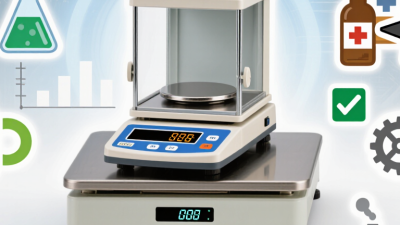
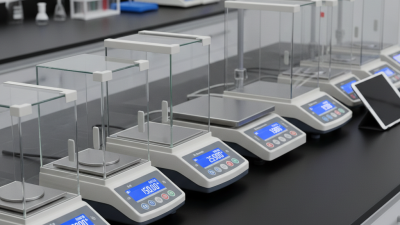
Electronic balances look similar on a catalog page. At the bench, their differences matter: a draft shield blocks air currents, while a platform balance handles larger containers. This guide compares analytical, semi-micro, precision, micro, portable, and moisture balances by capacity, readability, environment, and typical use. The distinctions are practical, not merely marketing labels. A 0.1 mg display, for example, does not guarantee that every sample can be weighed reliably to that level.
Standards help anchor the comparison. OIML Recommendation R 76-1 classifies non-automatic weighing instruments into four accuracy classes, from I to IIII. NIST Handbook 44 sets technical requirements and test procedures for weighing devices used in commercial settings. These documents are not sales rankings, but they offer a sound basis for evaluating performance claims. NIST mass-metrology physicist Stephan Schlamminger has discussed the kilogram’s redefinition around fundamental constants rather than a single physical artifact—a shift that underscores the value of traceable measurement. Choose for the work, not the biggest number on the display. Small details count: a draft, a warm sample, or an unlevel bench can change a reading. Manufacturers’ specifications also differ, and this guide cannot replace checking a balance under your actual conditions. That limitation matters. The right Electronic Balance is the one whose capacity, readability, calibration, and working environment match the measurement you need.
How Electronic Balances Measure Mass
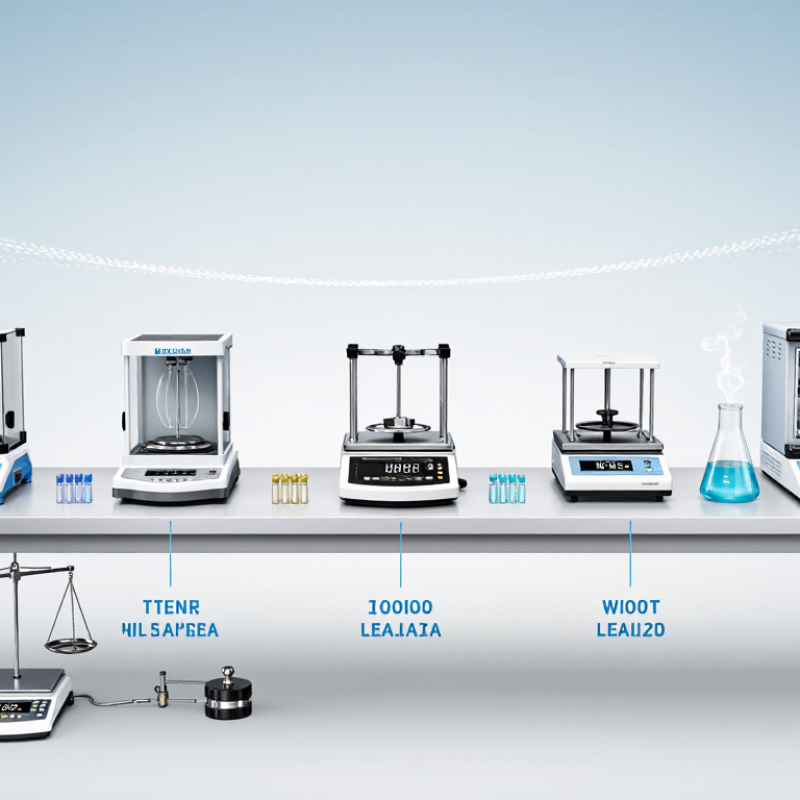
An electronic balance does not simply count an object’s weight. It senses the force the object exerts on a pan and converts that signal into a mass reading. In many precision balances, an electromagnetic system applies an opposing force. The current needed to hold the pan steady becomes part of the measurement. Other designs use a sensor that changes its electrical output as the pan flexes. The display then reports mass, usually in grams or milligrams.
Small forces count. A draft from an open door can disturb a sensitive reading, while a warm sample may create air currents above the pan. Place the balance on a firm, level surface, let it stabilize, and use the tare function with the empty container in place.
Calibration with suitable reference weights helps check accuracy, but it cannot remove every source of error. Dust, vibration, and careless handling still matter. The display can look certain; the measurement is not. That is easy to forget.
Analytical balances suit small samples and fine resolution, while precision and platform balances handle broader working ranges. Choosing a type means matching capacity and readability to the task, not just seeking the most decimal places.
Key Categories of Electronic Balances in 2026
What Are the Top Electronic Balance Types in 2026?
Key Categories of Electronic Balances in 2026
Electronic balances differ by capacity, readability, and working environment. Analytical balances suit small samples, often reading to 0.1 milligram; microbalances detect even smaller mass changes. Precision balances handle larger loads, such as a beaker of powder, with less fine readability. NIST Handbook 44 (2025) sets out four accuracy classes for nonautomatic weighing instruments: I, II, III, and IIII. These classes offer a useful technical reference, though they do not replace checking a balance’s specifications for its intended task. Small differences matter.
Moisture analyzers combine weighing with controlled heating, helping laboratories measure water loss in a sample. Industrial and platform balances prioritize higher capacities and stable readings in busier work areas. Portable balances trade some capacity or precision for easier movement. In practice, a draft near an analytical balance can shift a reading; a dusty platform can also cause trouble. A category label alone can mislead. I would compare readability, maximum load, calibration needs, and environmental protections before choosing, because “more precise” is not always more useful. NIST’s Handbook 44 provides technical tolerances and guidance, but users still need procedures suited to their materials and workspace.
How Common Balance Types Differ in Precision and Capacity
What Are the Top Electronic Balance Types in 2026?
How Common Balance Types Differ in Precision and Capacity
Electronic balances trade capacity for readability. Analytical models commonly hold about 100–320 g and display 0.1 mg increments. Precision balances often read to 1 mg or 0.01 g, with capacities ranging from hundreds of grams to several kilograms. These are typical product ranges, not universal limits. OIML R 76-1 classifies non-automatic weighing instruments by accuracy class and verification scale interval; it does not define these market categories. Small differences matter.
For larger loads, bench and platform balances can handle several kilograms to hundreds of kilograms, but usually show coarser increments, such as 0.1 g or more. A 0.1 mg display does not guarantee that level of accuracy in use. Air movement, vibration, temperature changes, and poor leveling can shift readings. EURAMET Calibration Guide No. 18 highlights tests such as repeatability and eccentric loading, useful checks when comparing instruments. The uncomfortable detail: the right capacity can still produce unreliable results if the sample is too light for the balance.
Tips: Match capacity to the heaviest routine load, then check readability and repeatability at your actual sample weight. Keep drafts off the pan. Calibration records help reveal drift.
Where Each Electronic Balance Type Is Best Used
Analytical balances suit small, high-value samples in quality-control labs, formulation rooms, and research benches. Their enclosed draft shields help reduce disturbances from air movement. Keep the balance level, allow it to warm up, and avoid placing it beside a door. Tiny samples matter. For pharmaceutical weighing, United States Pharmacopeia General Chapter <41> specifies repeatability and accuracy criteria of 0.10% for applicable balance use. That benchmark makes routine checks important, not optional decoration.
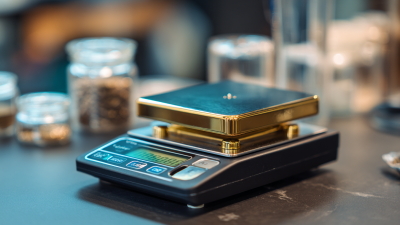
Precision balances are better suited to larger portions: ingredients on a production bench, parts in a workshop, or samples prepared for testing. Their higher capacity can make daily work faster, though they generally do not resolve tiny mass changes as well as analytical models. A top-loading design is often practical when operators weigh containers repeatedly. Keep the weighing pan clean. Dust can affect results.
Microbalances serve very small samples, such as fine powders or delicate material in specialized research. They need a stable table, minimal drafts, and careful handling; even a sleeve brushing the bench can disturb a reading. Moisture analyzers, by contrast, are useful when a process depends on water content, such as checking incoming materials or monitoring drying. They combine weighing with controlled heating, so they answer a different question from a standard balance. Choose by sample size and task, not by display precision alone. That distinction is easy to miss.
Top Electronic Balance Types in 2026: Readability and Best Uses
Typical readability varies by model and capacity. Lower values indicate finer display increments; readability is not the same as measurement accuracy.
How to choose: Micro and semi-micro balances suit very small samples and demanding laboratory work. Analytical balances are common for precise formulation and sample preparation. Precision and top-loading balances handle routine weighing, while platform balances are suited to heavier loads.
Factors to Consider When Choosing an Electronic Balance
Choosing an electronic balance starts with the sample, not the catalog. Estimate the heaviest load, including its container, then allow practical headroom. A balance rated for 220 grams may not suit repeated 215-gram measurements. Resolution matters, but it is not the same as accuracy. A display showing 0.001 gram cannot guarantee accuracy at that level. Check repeatability, linearity, and the stated minimum weight against your process.
The room matters, too. Air currents, vibration, static, and temperature changes can shift small readings. A draft shield helps; a stable bench and warm-up time support consistent results. Check that the pan fits your vessels without touching the housing. Calibration options, service availability, and suitable test weights affect confidence over time. For routine records, confirm that readings can be exported in a usable format. Ask how cleaning and daily checks fit into actual work, not just the written procedure. Specifications can look reassuring on paper, yet prove awkward beside a busy workstation. That detail deserves a second look.