A Sorting Machine can turn a mixed stream of products into consistent, usable output. Cameras, sensors, air jets, and mechanical gates may work together to identify and separate items at production speed. The exact setup depends on the material, required accuracy, and operating environment. A dusty recycling line has different needs from a food-processing facility. Small details matter.
This guide introduces ten sorting machine manufacturers from around the world and outlines the technologies and industries associated with their equipment. It is intended as a practical starting point, not a universal ranking. Manufacturer capabilities change, and a machine that performs well in one application may not suit another. The right comparison looks beyond headline speed.
Consider what the equipment must detect, how quickly the line runs, and what happens when an item is misclassified. Ask about sample testing, installation support, cleaning routines, spare parts, and integration with existing conveyors. These questions can reveal more than a brochure. A brief trial with representative material is often useful, though test conditions may not perfectly match a busy production shift. That gap deserves attention.
The manufacturers featured here serve different markets and offer varying levels of automation and customization. Use the overview to narrow your options, then verify specifications directly with each supplier. For critical decisions, compare measured results under similar conditions. A careful shortlist is better than choosing by reputation alone.
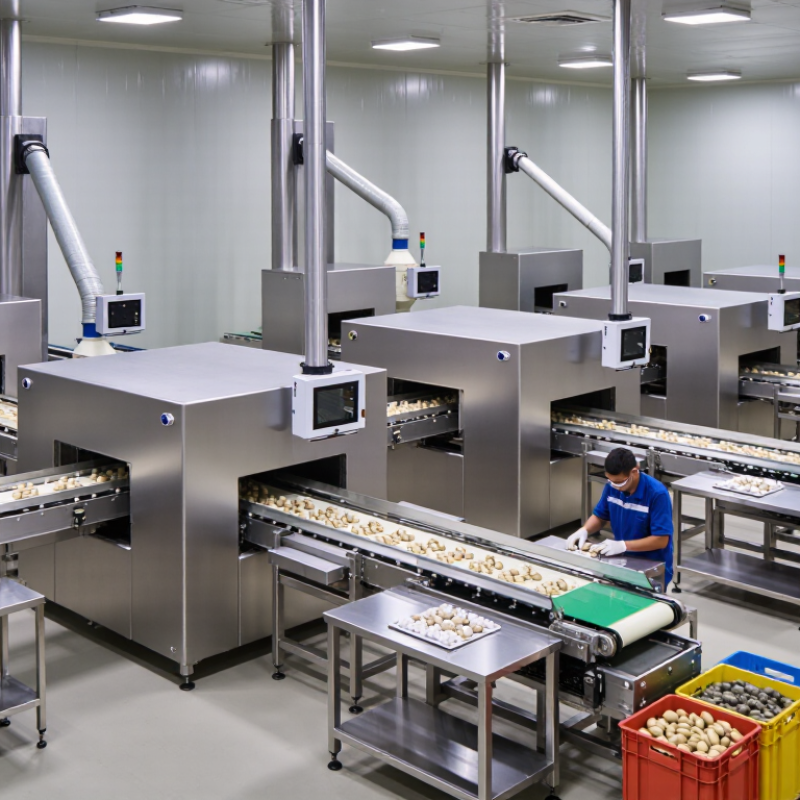
Sorting machines separate mixed items by measurable differences, including size, color, shape, weight, or material response. Sensors read each item, and control software directs it to a selected output. A belt, gate, air jet, or robotic arm may perform the diversion. Simple idea. Demanding work.
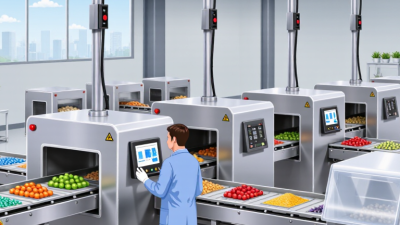
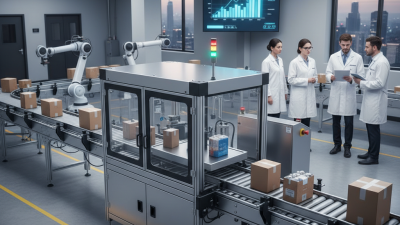
In food processing, optical sorters can remove discolored produce or detect foreign material before packing. Grain facilities use them to separate kernels by color and shape. Recycling plants sort paper, plastics, and metals into cleaner material streams. Mining operations may classify stones by size or surface characteristics. Warehouses also use automated systems to route parcels by dimensions or destination.
The right machine depends on the material, throughput, and acceptable error rate. A dusty environment can obscure sensors, while overlapping items may be misread. Operators often adjust lighting, belt speed, and thresholds, then check samples by hand. That extra inspection takes time, but it can reveal mistakes the machine misses. Sorting is not magic; even a well-tuned system needs maintenance and realistic testing with the actual product.
Evaluating a sorting machine manufacturer takes more than comparing quoted throughput. Real performance depends on the material, feed consistency, and conditions on the factory floor. Reviewers should request test data using representative samples, not idealized demonstration pieces. Useful metrics include sorting accuracy, recovery rate, uptime, and volume handled per hour. Ask how each figure was measured. Definitions matter. Accuracy can look impressive while valuable material slips into the reject stream. That trade-off deserves close attention.
Engineering quality shows in details: sensor response, conveyor stability, dust control, and access for routine cleaning. Manufacturers should explain calibration steps and show how settings change when particle size, color, or moisture varies. Look for documented trials, clear maintenance intervals, spare-part availability, and technicians trained to diagnose faults. References from comparable installations can reveal whether advertised capacity holds during long shifts. Still, case studies may omit downtime or difficult feed conditions. Ask what was excluded. Cost comparisons should include energy use, consumables, service travel, and the cost of misdirected material. No checklist removes judgment. Some evaluation notes will remain uncertain before a full-scale trial; admitting that gap is more credible than treating every score as exact.
The first profile is a manufacturer focused on optical sorting for grain and seeds. Its systems use cameras and air jets to remove discolored or damaged pieces from a fast-moving stream. The second specializes in recycling lines, where material varies in shape, surface, and cleanliness. The third serves food processors with equipment designed for washdown areas and frequent product changes. The fourth builds compact units for smaller factories. Less floor space matters.
The fifth profile centers on mining applications, sorting rock by color or detected composition before further processing. The sixth develops sensor-based systems for plastics, helping separate mixed flakes by material type. The seventh combines sorting machines with conveyors and plant-control software. Integration can save labor, but it can also make upgrades harder. That trade-off deserves attention. The eighth manufacturer emphasizes custom engineering for unusual products, though custom work may extend delivery schedules.
The ninth focuses on high-throughput inspection, where stable feeding and accurate rejection are critical. The tenth provides adaptable equipment for several industries, with configurable sensors and sorting recipes. Comparing these manufacturers means looking beyond headline capacity. Buyers should review sample-test results, cleaning access, reject handling, service coverage, and performance with their own materials. A brochure can look convincing. Real product trials reveal more. These profiles describe distinct strengths, not a verified sales ranking; actual suitability depends on the material, plant layout, and operating conditions.
Profiles of the World’s Top 10 Sorting Machine Manufacturers
E-waste sorting and recycling require equipment that can identify and separate different materials. Asia generated the largest amount of e-waste in 2022. Figures are rounded and are from the Global E-waste Monitor 2024.
Modern sorting machines combine cameras, sensors, software, and mechanical ejectors to separate products at high speed. Optical systems capture color, shape, and surface defects as items pass along a moving belt. Near-infrared sensors can help distinguish materials that look alike to the human eye. Small details matter.
Artificial intelligence improves image recognition by learning from varied product examples. It can help identify irregular shapes or subtle color changes, but results depend on good training data and stable lighting. Hyperspectral imaging adds more detailed material information, while air jets or robotic arms act on each detected item. These technologies still need careful calibration. Dust on a lens, belt vibration, or changing product moisture can affect accuracy. A faster line is not always a better line; excessive speed may increase missed defects.
Tips: Test the machine with real products under normal operating conditions. Keep lenses clean, review error rates, and check whether reject timing matches belt speed. Record adjustments, even small ones. Operators may overlook a drift that develops gradually.
Choosing a sorting machine manufacturer starts with your material, not a catalog. Share representative samples, including dusty, damp, or irregular pieces if these occur in production. Ask the supplier to run a trial and record both sorting accuracy and usable throughput. A polished demonstration on uniform samples proves little. Real material is messier.
Check how the machine identifies and separates items. Depending on your application, it may use cameras, sensors, or mechanical screening. Ask what happens when items overlap or vary in color and size. Request test results under conditions close to your own line. Small details matter. A five-minute trial may miss changes that appear after several hours, so ask how extended testing is handled.
Service matters too. Confirm installation support, operator training, spare-part availability, and expected response times. Ask for a clear maintenance schedule and practical references from facilities with similar materials and output needs. Compare total operating costs, not only purchase prices. This is easy to overlook. No supplier can promise perfect results across every batch, and that should be discussed openly. If answers remain vague, slow down and ask for measurable limits in writing.
| Evaluation Factor | What to Assess | Evidence to Request | Why It Matters |
|---|---|---|---|
| 1. Application Experience | Experience with the same material, product form, and sorting objective, such as food grading, parcel routing, or recycling. | Relevant project references, sample-test results, and a description of comparable installations. | Sorting performance depends on the characteristics of the input material and the intended use of the output streams. |
| 2. Detection Technology | Suitability of the proposed sensors, such as cameras, near-infrared sensors, laser systems, or X-ray inspection. | A clear explanation of what each sensor can detect and its known limitations for the application. | Different sensors identify different properties; no single technology detects every defect or material type. |
| 3. Sorting Accuracy | Expected separation quality under defined operating conditions, including acceptable false-reject and miss rates. | Test data using representative samples, with the test conditions and measurement method stated. | Performance claims are meaningful only when the feed material, target criteria, and test method are clear. |
| 4. Throughput and Feed Rate | Capacity at the required product quality, including how performance changes with variations in feed rate. | Rated capacity, recommended operating range, and results from a trial using realistic input volumes. | Maximum stated capacity may not reflect the rate achievable when strict quality targets must also be met. |
| 5. Material Compatibility | Compatibility with the input’s size, shape, moisture, temperature, color, and surface condition. | Documented input specifications, sample evaluations, and any required pre-processing steps. | Feed consistency and product presentation can affect sensor readings and sorting reliability. |
| 6. Reject and Output Handling | Design of chutes, ejectors, conveyors, bins, or routing controls for each output stream. | Process-flow drawings and confirmation that outputs remain separated at the required collection points. | Accurate detection alone is not enough if material is not transferred cleanly into the correct stream. |
| 7. Integration and Controls | Compatibility with existing conveyors, production lines, control systems, and plant safety requirements. | Interface specifications, layout drawings, control-system details, and installation requirements. | Integration affects line flow, operator workload, safety, and the time needed to commission equipment. |
| 8. Cleaning and Maintenance | Access for routine cleaning, sensor protection, wear-part replacement, and scheduled maintenance. | Maintenance schedules, cleaning instructions, spare-parts lists, and expected service intervals. | Dust, residue, vibration, and wear can reduce performance if equipment is difficult to maintain. |
| 9. Service and Training | Availability of commissioning support, operator training, troubleshooting, and technical assistance. | Written service coverage, response procedures, training scope, and support arrangements for the installation site. | Reliable support helps operators maintain consistent settings and resolve production issues efficiently. |
| 10. Total Cost of Ownership | Purchase and installation costs alongside energy use, consumables, maintenance, labor, and expected downtime. | A lifecycle cost estimate based on stated assumptions, operating hours, and service requirements. | Comparing total operating costs gives a more useful view of long-term value than comparing purchase prices alone. |