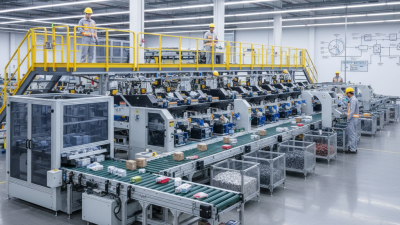
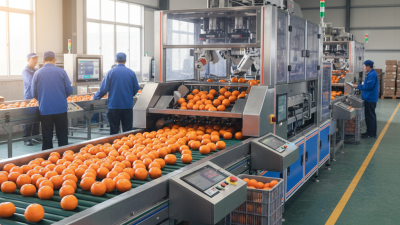
Top 10 Sorting Machines in China You Should Know About?
In the rapidly evolving landscape of automation, sorting machines have become pivotal. As noted by Dr. John Wei, an expert in industrial automation, "Sorting machines are the backbone of efficient operations." Their role in maximizing productivity cannot be overstated.
China has established itself as a leader in the sorting machine industry. Various models cater to different needs across sectors. From advanced vision systems to high-speed operations, these machines showcase remarkable capabilities. However, not all machines deliver the expected benefits. Users must carefully evaluate their specific requirements before investing.
As we examine the top ten sorting machines in China, the innovations and challenges present a fascinating narrative. The complexity of these machines demands a thorough understanding. This overview aims to highlight key models and their unique features while acknowledging the potential drawbacks. Knowing what to look for can make a significant difference in operational efficiency.
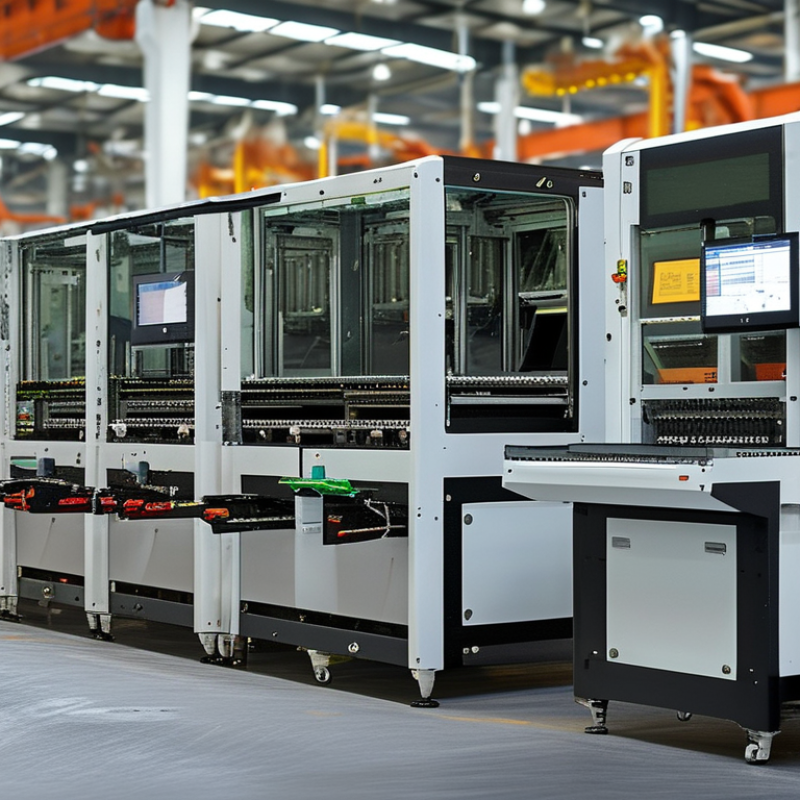
Top 10 Sorting Machines in China: An Overview of Innovations
The sorting machine industry in China is experiencing rapid innovation. According to a recent report by the China Machine Tool & Tooling Industry Association, the market for automated sorting machines is projected to grow by 15% annually over the next five years. This surge is driven by increased demand for efficiency and accuracy in manufacturing and logistics.
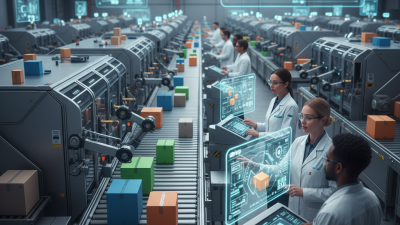
Advanced sorting machines now utilize artificial intelligence and machine learning for enhanced performance. These technologies allow for real-time sorting adjustments and predictive maintenance. As a result, productivity can increase significantly, but challenges remain. Not all manufacturers can adopt these new technologies due to high initial costs.
Additionally, the integration of IoT in sorting machines offers a more connected experience. Machines can communicate with each other for optimized workflow management. However, this reliance on technology raises concerns about system failures and data security. Practitioners in the industry must continuously evaluate these risks against the benefits of innovation.
Top 10 Sorting Machines in China You Should Know About
| Rank |
Machine Type |
Sorting Speed (items/min) |
Capacity (kg/h) |
Technology Used |
Application |
| 1 |
Optical Sorting Machine |
250 |
1500 |
Cameras & Sensors |
Food Processing |
| 2 |
Electromechanical Sorter |
180 |
1200 |
Mechanical Systems |
Recycling |
| 3 |
Magnetic Sorting Machine |
150 |
800 |
Magnet Technology |
Metal Sector |
| 4 |
Vibration Sorting Machine |
220 |
1000 |
Vibratory Motion |
Pharmaceuticals |
| 5 |
Air Separator |
200 |
600 |
Airflow Technology |
Agriculture |
| 6 |
Laser Sorter |
300 |
900 |
Laser Technology |
Electronics |
| 7 |
Bucket Sorter |
160 |
400 |
Bucket Elevation |
Food Industry |
| 8 |
Centrifugal Sorter |
140 |
700 |
Centrifugal Force |
Waste Management |
| 9 |
Scroll Sorter |
190 |
850 |
Scroll Mechanism |
Construction |
| 10 |
Color Sorter |
230 |
1100 |
Color Detection |
Textile Industry |
Market Analysis of Sorting Machines in China: Key Trends and Statistics
The sorting machine market in China is witnessing rapid growth. Recent data indicates a compound annual growth rate (CAGR) of 12% from 2020 to 2025. As e-commerce expands, the demand for efficient automated sorting increases. Technologies like artificial intelligence and machine learning are transforming sorting processes, making them faster and more accurate.
Many industries are adopting sorting machines to enhance productivity. In logistics, for example, 75% of companies report improved efficiency with automated systems. However, challenges remain, such as integrating new technology into existing operations. Not all businesses can seamlessly transition, causing delays.
Sustainability is another key trend. The market is seeing a shift toward energy-efficient machines. Reports suggest that eco-friendly machines can reduce operational costs by up to 20%. Despite benefits, there is still hesitation among some firms to invest. The balance between innovation and cost-effectiveness continues to be a complex issue in the sorting machine landscape.
Detailed Features of the Leading Sorting Machines in China
In recent years, sorting machines have revolutionized operations in various industries across China. These machines streamline processes, enhancing efficiency and accuracy in sorting tasks. According to a report by the China Machinery Industry Federation, the sorting machine market has seen a growth rate of about 17% annually. This growth indicates a rising demand, especially in logistics and food processing sectors.
Leading machines feature advanced technologies such as optical sensors and AI integration. These technologies improve sorting precision and reduce error rates. For example, optical sensors can identify a range of materials, enabling better product categorization. Some machines even achieve sorting speeds of up to 120 items per minute.
However, despite these innovations, challenges remain. Integration with existing systems can pose difficulties, and training staff to use these machines effectively is often overlooked.
Moreover, maintenance of these machines is critical but frequently neglected. Regular upkeep ensures optimal performance over time. Industry reports suggest that improper maintenance can lead to costly downtimes. As companies invest in these sorting solutions, a holistic approach is essential. Balancing technology with practical implementation will maximize operational benefits while minimizing risks.
Comparative Efficiency: Sorting Machines vs. Manual Sorting Processes
Sorting machines have revolutionized the way industries handle materials. Their efficiency far surpasses that of manual sorting processes. While manual sorting relies heavily on human labor, sorting machines can process large volumes quickly. They reduce human error and improve accuracy. A well-implemented sorting machine can save both time and money.
Here's a tip: observe the workflow in your facility. Identify bottlenecks in manual sorting. This can help you decide if a sorting machine is a worthy investment. Not every operation requires automation, but assessing your needs is crucial. Sometimes, a hybrid approach works best.
Take note that not all sorting machines are created equal. Some may not fit your specific needs. It's vital to do thorough research. Consulting experts can lead to better decisions. Remember, efficiency should not come at the cost of quality. Re-evaluating your sorting methods might reveal areas for improvement. Balancing automation with human oversight is often necessary for optimal results.
Comparative Efficiency: Sorting Machines vs. Manual Sorting Processes
Future Prospects for Sorting Machine Technologies in China
The future of sorting machine technologies in China shows immense potential. According to a report by Market Research Future, the sorting machine market is expected to grow at a CAGR of 10.7% from 2022 to 2028. This growth is driven by advancements in automation and artificial intelligence, making sorting processes more efficient.
China’s focus on smart manufacturing is influencing sorting machine innovations. With the rise of e-commerce, demand for high-speed sorting solutions is increasing. A study by Statista suggests that over 60% of logistics companies are investing in automated systems. This trend reflects a shift toward optimizing operational efficiency and reducing labor costs.
However, reliance on technology poses risks. Integration issues and high initial investments can hinder progress. Companies must carefully assess their needs and capabilities before adopting new technologies. Continuous training for personnel is essential to maintain system effectiveness. Balancing innovation and practicality will be crucial for future advancements in sorting technologies in China.