How to Choose the Best Dynamic Checkweigher for Your Needs?
Choosing the right Dynamic Checkweigher for your operations can be a daunting task. As industry expert Dr. Emily Strauss states, "A good Dynamic Checkweigher is the backbone of quality control." This highlights the importance of selecting the optimal checkweigher based on your specific needs.
Dynamic Checkweighers are crucial in various sectors. They ensure product weight accuracy, enhancing compliance with industry standards. When weighing products dynamically, businesses can reduce waste and improve efficiency. However, not all checkweighers are created equal. It's vital to assess their capabilities carefully before making a decision.
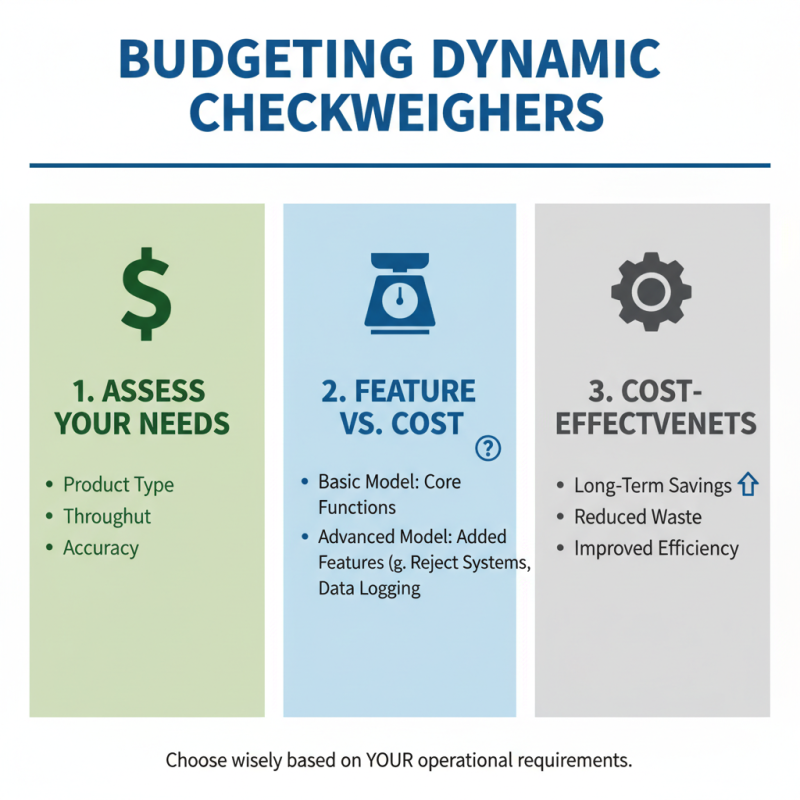
Consider features such as speed, precision, and software integration. The right Dynamic Checkweigher should meet ideal thresholds while being adaptable to future needs. Reflecting on past choices can provide valuable lessons. Striking the balance between cost and functionality is essential for long-term success.
Understanding the Basics of Dynamic Checkweighers
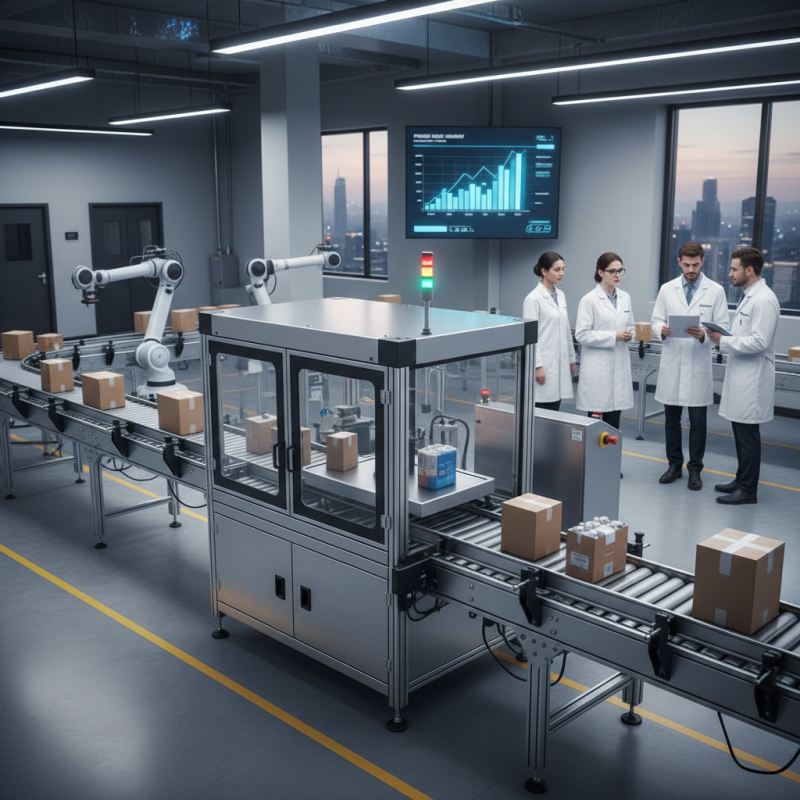
Dynamic checkweighers are essential for ensuring product quality and compliance in various industries. Understanding how they work is the first step in choosing the right one for your needs. These machines weigh products as they move along a production line, providing real-time data and identifying discrepancies. They help maintain consistency in weight, which is crucial for customer satisfaction.
Tips: When selecting a dynamic checkweigher, always consider the specific requirements of your production line. Assess the types of products you handle. Different shapes and sizes may require unique configurations. Pay attention to the machine’s speed and accuracy. A higher speed can lead to increased errors if the system isn’t calibrated correctly.
Another point to reflect on is the integration with existing systems. Ensure that the checkweigher can communicate efficiently with your processing software. Compatibility may not always be straightforward. Choose a system that offers flexibility and scalability to adapt to future changes in your production demands.
Dynamic Checkweigher Performance Comparison
Key Features to Consider When Selecting a Checkweigher
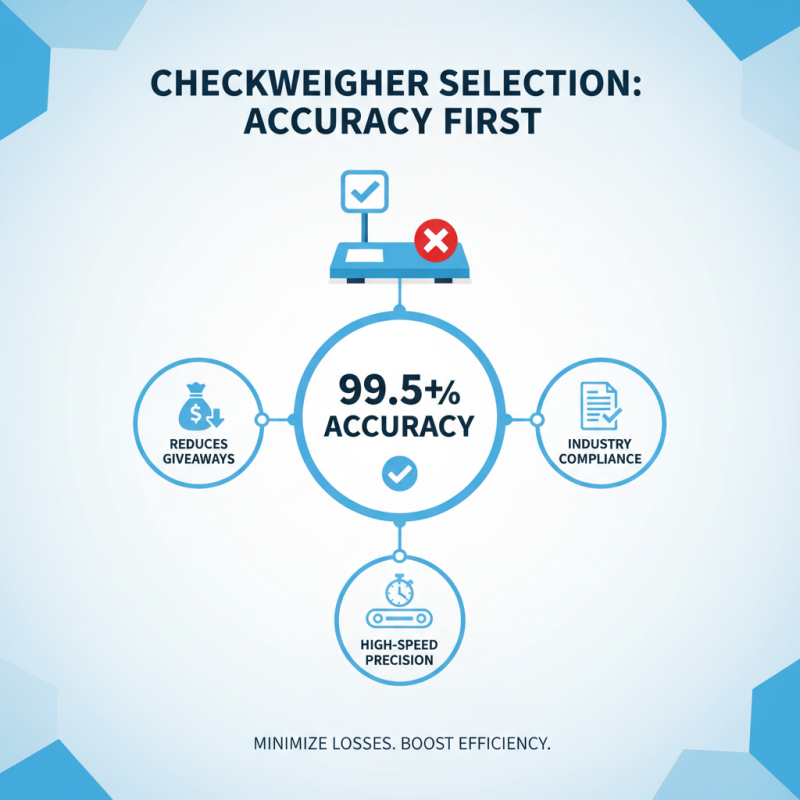
When selecting a dynamic checkweigher, understanding its key features is essential for your operations. One crucial element is accuracy. According to industry reports, checkweighers must achieve an accuracy level of 99.5% or better. This precision reduces product giveaway and ensures compliance with industry standards. In high-speed production lines, accuracy becomes even more critical. Deviation can lead to significant financial losses.
Another important feature is speed. A well-chosen checkweigher can handle varying speeds while maintaining performance. Many modern checkweighers can process 100 products per minute or more. It is vital to evaluate the equipment based on your production pace. Some facilities face challenges during peak times, where slower checkweighers become a bottleneck. Investing in equipment that meets speed requirements can enhance overall productivity.
User-friendliness should not be overlooked. Features like touchscreen interfaces and intuitive controls are advantageous. Technicians less experienced with complex machinery can operate devices more efficiently. This can provide added value in training and operational flexibility. Additionally, consider the equipment's maintenance needs. Regular calibration is necessary to maintain accuracy, but excessive servicing can disrupt workflows.
Assessing Your Production Needs and Speed Requirements
When selecting a dynamic checkweigher, understanding your production needs and speed requirements is crucial. Examine the specifics of your manufacturing process. What is the product weight range? How many products do you plan to check per minute? These factors greatly influence the type of checkweigher you should consider.
Speed is not just about numbers. You need reliable data. For instance, if your line is running at 200 units per minute, ensure your checkweigher can handle that pace. A balance exists between speed and accuracy. If a machine is too fast for its calibration, errors will likely increase. Sometimes, slowing down a bit can improve quality and reduce rejections.
Assessing varying products is important, too. Different shapes and sizes may require different checkweighers. A one-size-fits-all approach often fails. Take time to evaluate potential bottlenecks. Consider how different checkweighers might integrate with your existing system. Reflecting on these aspects can lead to a more informed choice.
Evaluating Accuracy and Precision in Checkweighing
When selecting a dynamic checkweigher, accuracy and precision are critical factors to consider. According to industry reports, discrepancies in weight measurement can lead to significant financial loss, ranging from 0.5% to 2% of total sales due to incorrect products being sent to market. Thus, the choice of a checkweigher directly impacts not just compliance but also profitability.
Precision refers to the consistency of measurements over time. A checkweigher with a precision rating of ±0.1 grams is more reliable than one rated at ±0.5 grams. Many manufacturers focus on achieving fine tolerances to comply with stringent regulations. However, it's essential to assess whether your production environment can accommodate such sensitive machinery. Equipment that is too precise may need constant calibration, leading to increased operational downtime.
Accuracy involves the ability to measure true weight consistently. For instance, a checkweigher should be tested under real production conditions. A recent survey revealed that only 70% of companies regularly validate their checkweighers, risking serious inaccuracies. Spot-checking with certified weights can minimize errors but often gets neglected due to time constraints. A well-calibrated dynamic checkweigher will enhance process reliability and quality assurance, ultimately benefiting production efficiency and brand reputation.