Leave Your Message

2026 Top Belt Counterweight Scale Trends and Innovations?

The Belt Counterweight Scale industry is evolving rapidly. Innovations and trends are shaping its future. Companies are investing in advanced technologies to enhance efficiency and accuracy.

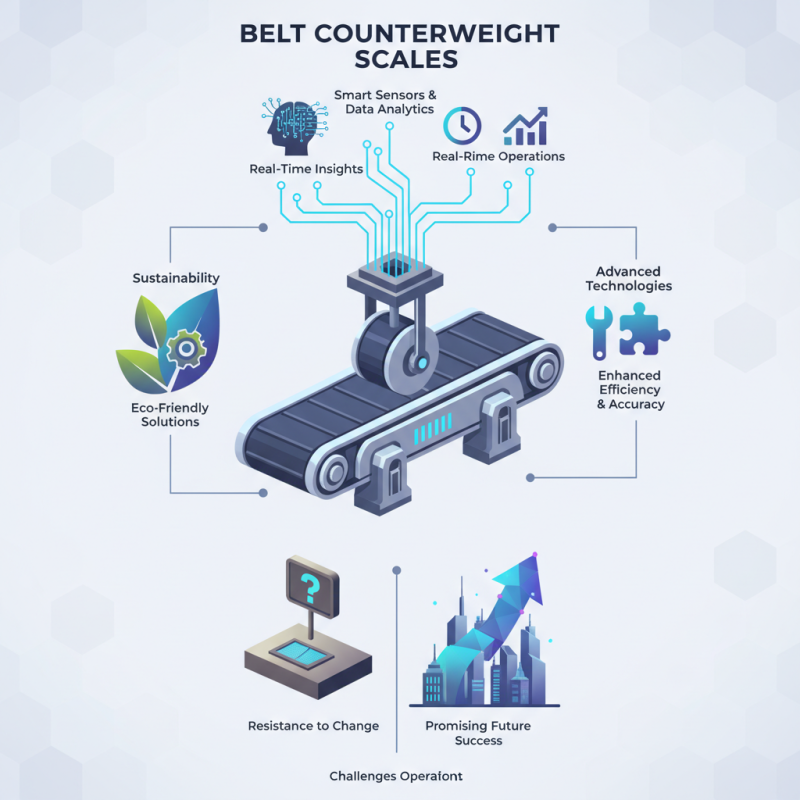
In 2026, we can expect significant developments in design and functionality. Smart sensors and data analytics are becoming more common. These technologies provide real-time insights, allowing manufacturers to optimize operations. The focus is not just on performance; sustainability is also crucial. Many organizations are looking for eco-friendly solutions.

Despite these advancements, challenges remain. Some businesses may struggle to adopt new technologies. Resistance to change can hinder progress. Overall, the future of Belt Counterweight Scale trends looks promising yet complex. Engaging with these dynamics will be essential for success.
2026 Top Belt Counterweight Scale Trends and Innovations?

Emerging Technologies in Belt Counterweight Scales for 2026

2026 Top Belt Counterweight Scale Trends and Innovations?

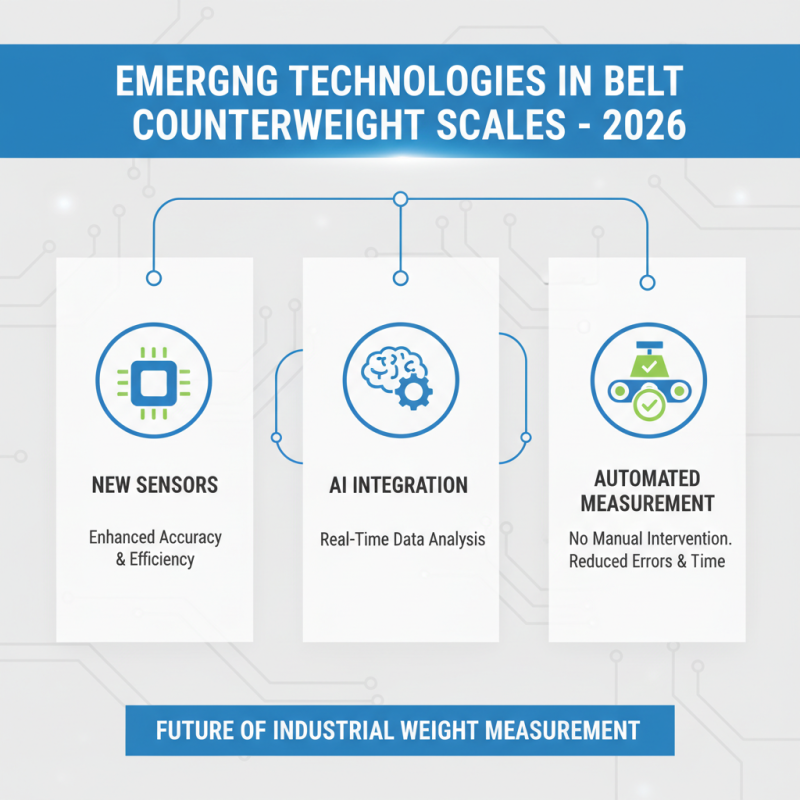
In 2026, belt counterweight scales are set to undergo significant advancements. New sensors and AI technologies are emerging, which enhance accuracy and efficiency in weight measurement. These innovations enable real-time data analysis, vital for various industries. The ability to measure weight without manual intervention saves time and reduces human error.

Smart connectivity is another key trend. Scales now integrate with cloud systems, allowing remote monitoring. Users can access weight data from anywhere. This connectivity fosters better inventory management and operational insights. However, as these technologies evolve, concerns about data security and privacy arise. Companies must prioritize protecting sensitive information.

Moreover, advancements in materials are noteworthy. Scales are becoming more durable yet lightweight. This change not only improves portability but also enhances their lifespan. Despite these benefits, user training is essential. Employees need to understand the new technologies to fully leverage their capabilities. The balance between innovation and usability remains a point of reflection for manufacturers.


Integration of AI and Machine Learning in Weighing Solutions

The integration of AI and machine learning in weighing solutions is rapidly transforming the industry. According to recent industry reports, predictive analytics can increase accuracy by up to 25%. Such innovations enable systems to learn from historical data, optimizing the weighing process. Real-time adjustments become possible, reducing downtime and increasing efficiency.

Additionally, AI can enhance user experience. Automated diagnostics tools detect malfunctions faster than manual checks. Reports suggest that these advancements can cut maintenance costs by 15-20%. However, challenges remain. Many users worry about data security and privacy. Trust in AI’s decision-making must be established to fully leverage these improvements.

Machine learning algorithms are not infallible. They require extensive training data to be effective. Inconsistent data can lead to inaccurate readings. The industry must tackle these issues to ensure reliability. Emphasizing training and quality data management is crucial for future success. Addressing these gaps will build a more robust framework for AI-integrated weighing solutions.

2026 Top Belt Counterweight Scale Trends and Innovations

Trend/Innovation Description Impact on Weighing Solutions Estimated Adoption Rate (2026)
AI-Powered Calibration Automatic adjustment of scales using AI algorithms for enhanced accuracy. Increased measurement precision, reducing errors. 75%
Real-Time Data Analysis Utilizing machine learning to analyze weight data in real-time. Improved decision-making based on immediate data insights. 80%
IoT Connectivity Integration of Internet of Things (IoT) technology for connected scales. Enhanced monitoring and remote management capabilities. 82%
Predictive Maintenance Using data to predict when maintenance is needed, preventing downtime. Increased operational efficiency and reduced service costs. 70%
Enhanced User Interfaces Developing intuitive software interfaces for easier scale operation. Improved user experience and quicker training for new operators. 90%

Impact of IoT on Real-Time Data Monitoring and Analytics

2026 Top Belt Counterweight Scale Trends and Innovations?

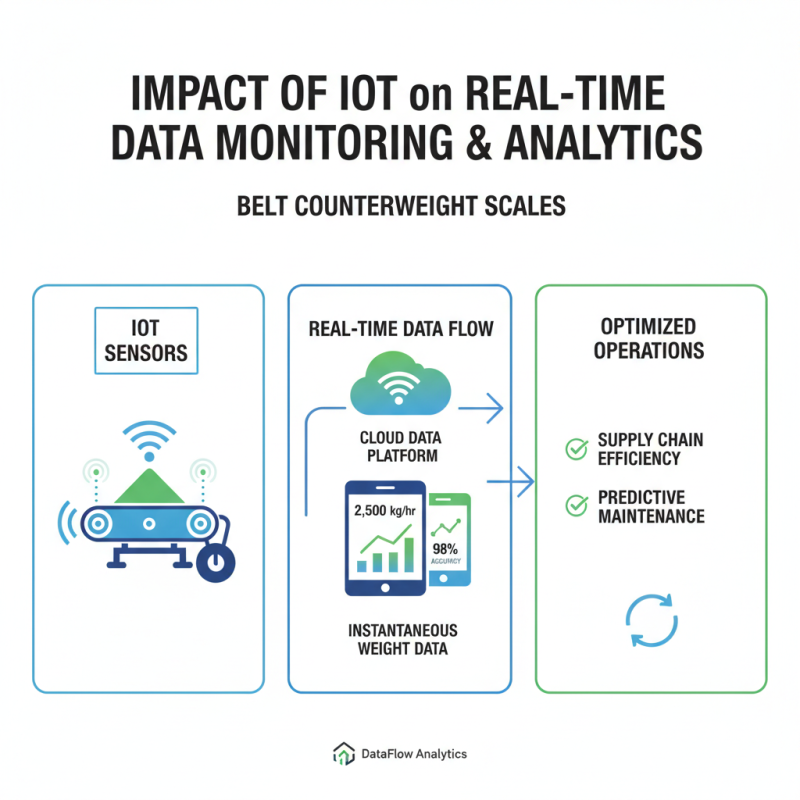
The rise of the Internet of Things (IoT) has transformed how industries monitor operations. In the context of belt counterweight scales, IoT technology facilitates real-time data collection and analysis. Companies can now access accurate weight data instantly. This immediate feedback loop is crucial for optimizing supply chain efficiency.

However, integrating IoT solutions poses challenges. Many organizations struggle with data integration across various platforms. A lack of standardization can lead to compatibility issues. Ensuring data security is another concern. Companies must safeguard sensitive information from potential breaches.

Real-time analytics empower businesses to make informed decisions swiftly. By harnessing IoT data, companies can predict equipment failures and reduce downtime. This proactive approach not only saves costs but also enhances productivity. Yet, organizations must continuously evaluate their IoT strategies to adapt to new technologies and market demands.

Sustainability Trends in Material Usage for Belt Counterweight Scales

Sustainability is reshaping the landscape of belt counterweight scales. Material usage is a key focus for manufacturers. Recycled metals and biodegradable composites are trending. These materials reduce the environmental impact significantly. Companies are now prioritizing eco-friendly options during production. This shift reflects a growing awareness of sustainability.

Investing in high-quality, sustainable materials can enhance overall performance. Maintenance costs might drop with these innovations. It's essential to balance cost and sustainability when choosing components. The long-term benefits often outweigh initial expenses. Avoid falling for gimmicks; prioritize genuine eco-friendly materials.

Tips for selecting sustainable materials include researching suppliers committed to sustainability. Look for certifications that verify eco-friendly claims. Understand the lifecycle of materials you choose. Analyze how they impact your operations and the environment. Thoughtful decisions can lead to a greener future in belt counterweight scales.

2026 Top Belt Counterweight Scale Trends and Innovations

This bar chart illustrates the market adoption rates of various trends and innovations for belt counterweight scales in 2026. The data highlights a growing focus on recycled materials and innovative design, indicating a shift towards sustainability in the field.

Market Growth Projections and Key Players in the Counterweight Scale Sector

The counterweight scale sector is poised for significant growth. Numerous industries are increasingly reliant on accurate weight measurements. This trend drives innovation in counterweight scale technology. Companies are focusing on enhancing precision and efficiency. Emerging technologies, like IoT, are being integrated into scale designs. This helps improve real-time data analysis and connectivity.

Market growth projections suggest a steady rise in demand. Key players are investing in research and development. They aim to create solutions that address customer needs. However, there are challenges to overcome. Not all players adapt quickly to technological advancements. Some may struggle with maintaining accuracy under varying conditions. This inconsistency can impact reliability in measurement.

As the market evolves, partnerships will be crucial. Collaboration between manufacturers, technology firms, and end-users may be necessary. This could lead to the development of standards in the industry. Ultimately, the competition will foster a more robust counterweight scale market. Innovations will require continuous reflection on processes and practices. Balancing growth and reliability will be vital for success.