Top 10 Electronic Scales Buyers Should Consider Today
In today's health-conscious world, choosing the right Electronic Scales is crucial. Renowned health expert Dr. Emily Chen emphasizes, "Accurate measurements lead to informed decisions." Her insights underline the importance of precision in tracking weight and health metrics.
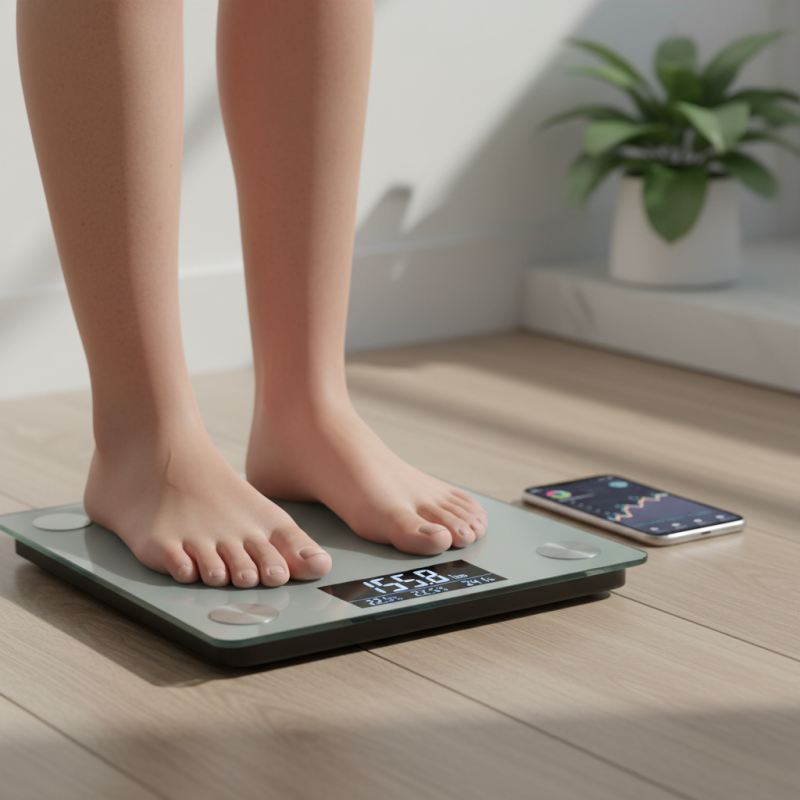
Electronic Scales come in various types and features. It can be overwhelming to select the best one. Each scale offers unique functionalities, from body composition analysis to Bluetooth connectivity. Understanding these options helps consumers make better choices.
Despite the advancements in technology, many users still face challenges. Some scales can be inconsistent, leading to frustration. Finding reliable Electronic Scales means considering personal needs and the scale's accuracy. With ample options on the market, careful selection is essential.
Key Features to Look for in Electronic Scales
When choosing electronic scales, understanding key features is essential. A well-designed scale can enhance reliability and accuracy. Reports suggest that precision is crucial for health monitoring. Users prefer scales with a 0.1 kg accuracy range for consistent measurements. This precision helps in tracking body weight effectively, especially for individuals managing weight loss or health conditions.
Another important detail is the scale's capacity. Many models accommodate up to 180 kg, which serves a wide audience. However, some require more accuracy at lower weights. Scales that can switch between units (kg, lb, st) offer flexibility. This feature is beneficial for users who might travel or share devices. Also, smart features like Bluetooth connectivity are gaining popularity. These can sync data to apps, aiding in long-term tracking.
Users should also consider display readability. Large, backlit digits promote ease of reading, even in low light. It's frustrating when scales are difficult to interpret. Additionally, build quality matters. A sturdy platform enhances the durability of scales. Some scales come with a warranty, reflecting trust in their durability. Prioritizing these elements may lead to better choices in the long run.
Types of Electronic Scales Available in the Market
When exploring electronic scales, understanding the different types available is essential. The market today offers a variety of options designed to meet diverse needs. Common types include digital bathroom scales, kitchen scales, and multi-functional scales. Digital bathroom scales often feature advanced technology, allowing for accurate weight measurements and sometimes body composition readings. According to a report by IBISWorld, the demand for bathroom scales has increased by 5% annually over the past five years.
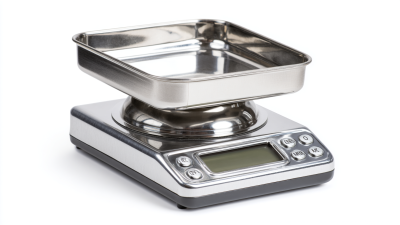
Kitchen scales help food enthusiasts measure ingredients accurately. These scales typically provide precise readings in grams, ounces, and pounds. A study by Statista revealed that the home cooking trend has driven demand for kitchen scales, projecting a growth of 9% in this segment. Multi-functional scales, which combine weight measurement with nutritional analysis, have gained popularity as health awareness increases. Many users appreciate their ability to track multiple metrics, making meal planning easier.
However, not all users find these devices perfect. Some struggle with calibration issues, which can affect accuracy. Others may find smart features overwhelming or unnecessary. Evaluating personal needs and preferences is crucial. The right scale should cater to specific requirements while addressing potential pitfalls in user experience.
Top Brands of Electronic Scales to Consider
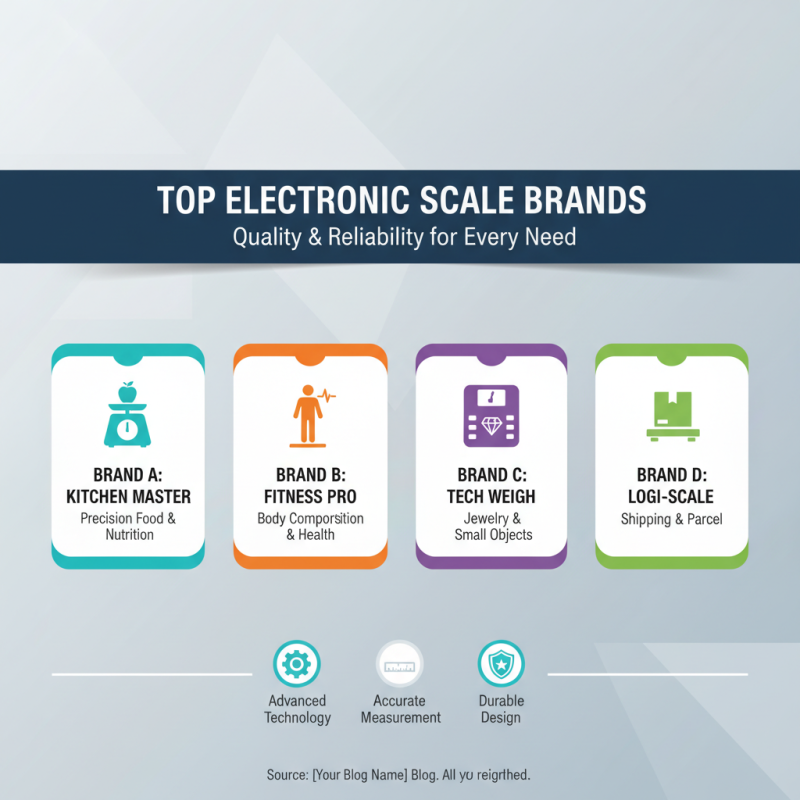
When selecting electronic scales, examining the leading brands is crucial for buyers. Many options flood the market, but distinguishing quality and reliability can be challenging. A few notable brands feature advanced technology and innovative design. These scales often provide precise measurements, catering to various needs, from kitchen use to fitness tracking.
Some brands emphasize user-friendly interfaces, making them accessible for all age groups. They often include features like Bluetooth connectivity, allowing easy data tracking. The accuracy of measurements varies significantly among brands, and some offer additional functionalities. For instance, certain scales measure body composition, offering insights beyond just weight. However, these extra features sometimes lead to complications.
It’s easy to overlook the importance of durability and warranty when shopping. Some scales may look appealing but can fail quickly under regular use. Customers should assess build quality and read reviews for real experiences. Balancing aesthetics and functionality is crucial in ensuring a worthwhile investment.
Factors Affecting the Accuracy of Electronic Scales
When considering electronic scales, accuracy is crucial. Several factors significantly affect how well these tools perform. For instance, load cell technology plays a key role. According to research, scales with high-quality load cells deliver readings with less than 0.1% deviation. In contrast, cheaper models may show discrepancies reaching 2%, which can lead to errors in weight measurements.
Environmental conditions can also impact accuracy. Humidity and temperature fluctuations alter how scales function. A study indicated that scales used in areas with extreme temperatures can suffer a 1% reduction in accuracy. Additionally, surface levelness matters. A scale placed on an uneven surface may yield unreliable readings. Data shows that this can cause errors of up to 3%. Regular calibration is essential for maintaining precision.
Users should also be aware of the scale's capacity. Using a scale beyond its limit can lead to inaccurate readings and potential damage. Overloading may induce stress on components, causing failure. Regular maintenance checks can enhance reliability significantly. Making informed choices based on these factors will lead to better performance from electronic scales.
Top 10 Electronic Scales Buyers Should Consider Today - Factors Affecting the Accuracy of Electronic Scales
| Model |
Weight Capacity (lbs) |
Division (oz) |
Precision |
Power Source |
Price Range ($) |
| Model A |
400 |
0.1 |
±0.2% |
Batteries |
50-70 |
| Model B |
500 |
0.5 |
±0.3% |
AC Adapter |
60-80 |
| Model C |
300 |
0.1 |
±0.1% |
Rechargeable |
40-60 |
| Model D |
250 |
0.1 |
±0.2% |
Batteries |
30-50 |
| Model E |
450 |
0.2 |
±0.15% |
AC Adapter |
55-75 |
| Model F |
600 |
1 |
±0.3% |
Batteries |
70-90 |
| Model G |
350 |
0.1 |
±0.2% |
Rechargeable |
45-65 |
| Model H |
550 |
0.5 |
±0.25% |
Batteries |
65-85 |
| Model I |
320 |
0.1 |
±0.2% |
AC Adapter |
35-55 |
| Model J |
700 |
1 |
±0.4% |
Batteries |
80-100 |
User Reviews and Ratings of Popular Electronic Scales
When choosing an electronic scale, user reviews are key. Many people look for accurate readings, durability, and ease of use. A scale that delivers consistent results enhances trust. Users appreciate features like Bluetooth connectivity or large displays. Some scales also offer body composition analysis. This added functionality is a plus for fitness enthusiasts.
However, not every scale impresses. Some reviews point to instability in readings. Users have reported fluctuations that lead to frustration. It's essential to consider these insights during your selection process. Look for patterns in feedback. Many reviewers mention the importance of calibration. A well-calibrated scale will provide better results.
Weight limits and design should also be part of your decision. Some users prefer sleek, modern designs while others prioritize sturdy construction. Remember, preferences vary widely. What works for one may not suit another. Balancing features with reliability is crucial. Engaging with user reviews can significantly inform and guide your choice, ensuring you find a scale that truly meets your needs.