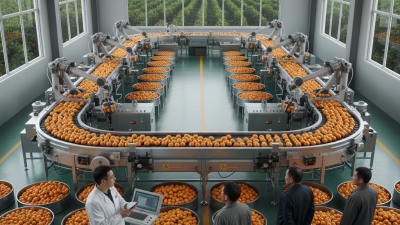
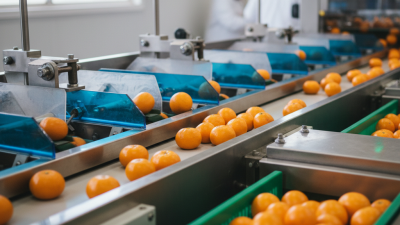
What is a Mandarin Sorting Machine and How Does it Work?
The Mandarin Sorting Machine is an innovative tool designed to streamline the sorting process of Mandarin oranges. This machine employs advanced technology to enhance efficiency in agricultural operations. Farmers benefit from its ability to sort fruit based on size, color, and quality, ensuring only the best produce reaches markets.
However, the operation of such a machine may not always be flawless. Issues like inconsistent sorting and maintenance challenges can arise. Farmers must stay informed to maximize its advantages. Understanding how a Mandarin Sorting Machine works can lead to better decision-making in citrus production.
With the growing demand for quality Mandarins, investing time in this technology is worthwhile. The machine represents a blend of tradition and innovation in agriculture, making it an essential consideration for modern farming methods. Consider the potential, but also reflect on the limitations it may present.
What is a Mandarin Sorting Machine?
A Mandarin Sorting Machine is a specialized device aimed at sorting mandarin oranges efficiently. This machine enhances the quality control process in the fruit industry. It employs advanced technologies to sort these fruits based on size, color, and quality. Accurate sorting minimizes waste and maximizes revenue for producers. Industry data shows that automated sorting machines can increase sorting speed by up to 90% compared to manual methods.
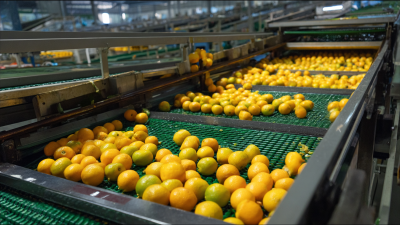
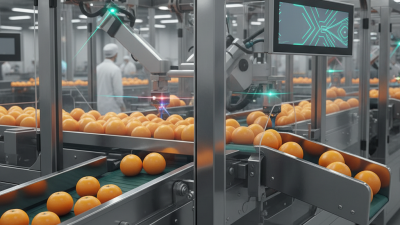
The operational mechanism of a Mandarin Sorting Machine typically involves a combination of conveyor belts, cameras, and artificial intelligence. Cameras capture high-resolution images to assess the characteristics of each fruit. The system then uses algorithms to determine the appropriate category for each mandarin. According to reports from the Florida Department of Agriculture, up to 10% of produce can be misclassified without such technology. This misclassification can lead to significant economic losses.
Despite their advantages, there are challenges. Initial costs for these machines can be substantial. Smaller farms may struggle to afford them. Additionally, reliance on technology can sometimes result in overlooking defects that human eyes might catch. Continuous improvements in machine learning are crucial to enhance reliability. The balance between technology and traditional methods is an ongoing discussion in the farming community.
Mandarin Sorting Machine Specifications
| Feature |
Description |
| Machine Type |
Optical Sorting Machine |
| Capacity |
Up to 10 tons per hour |
| Sorting Accuracy |
95% or higher |
| Power Consumption |
5 kW |
| Dimensions |
3m x 1.5m x 2m |
| Weight |
600 kg |
| Sorting Method |
Color and Size Detection |
| User Interface |
Touchscreen Control Panel |
| Maintenance |
Easy to maintain with modular components |
The History of Mandarin Sorting Technology
The origins of mandarin sorting technology date back several decades. Initially, hand sorting was the norm, requiring much labor and time.
Growers struggled with consistency and efficiency. As demand for quality increased, the traditional methods proved inadequate. This sparked innovation in the
fruit sorting industry.
The first machines were simple and mostly mechanical. They utilized basic optical sensors to detect color differences. Over time, advancements in technology led to the incorporation of
more sophisticated electronics. Modern machines use advanced algorithms for better accuracy. They can analyze size, weight,
and even internal quality.
Despite these improvements, challenges remain. Machines sometimes misidentify fruits due to lighting issues or surface damage. Sorting based on just appearance can overlook
internal defects. Manufacturers continuously seek solutions to enhance machine reliability.
Some questions linger: How can we further improve accuracy? What role will AI play in the future of mandarin sorting? The search for answers drives ongoing research and development in this field.
How Mandarin Sorting Machines Work: A Step-by-Step Guide
Mandarin sorting machines are essential in the agricultural sector. These machines streamline the grading process for mandarins, ensuring high-quality fruit reaches consumers. The sorting process is meticulous and involves several key steps.
The machine begins with an intake system. Mandarins pass through a conveyor that removes debris and unripe fruit. Next, the fruit enters a series of sensors. These sensors assess size, color, and surface defects. Reports indicate that 85% of buyers prioritize quality in fruit selection. Thus, accurate sorting is crucial for market success.
Once sorted, mandarins are categorized based on quality grades. This system allows for efficient packing and distribution. Data shows that quality control in fruit processing can reduce waste by up to 30%. However, imperfect sorting can lead to customer dissatisfaction. Continuous monitoring and feedback loops are necessary in these machines' operations to minimize errors and enhance sorting efficiency.
Key Features and Benefits of Mandarin Sorting Machines
Mandarin sorting machines play a significant role in the agricultural sector. They are designed to efficiently sort mandarin oranges based on size, color, and quality. This helps in meeting market standards and consumer expectations. Such machines often utilize advanced imaging technology and mechanical systems to ensure precise sorting.
One key feature is the ability to handle large volumes. These machines can process thousands of fruits per hour. This not only increases productivity but also reduces labor costs. Additionally, many machines include adjustable settings for different fruit varieties. This adaptability is crucial for maximizing efficiency across different harvests.
While these machines improve sorting speed, some challenges exist. Maintenance can be complex and require professional expertise. Occasionally, mechanical failures may disrupt operations. Regular monitoring and timely repairs are essential for consistent performance. Understanding these challenges is important for potential users, as it highlights the need for investment in training and maintenance resources.
Mandarin Sorting Machine Efficiency
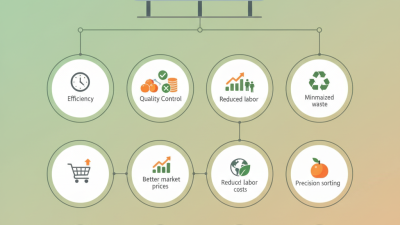
The chart above illustrates the key performance metrics of a Mandarin Sorting Machine, highlighting its speed, accuracy, cost savings, and maintenance requirements. This data showcases the efficiency and benefits of utilizing such machines in sorting operations.
Applications of Mandarin Sorting Machines in Agriculture
Mandarin sorting machines have transformed agricultural practices significantly. These machines are designed to automate the sorting of mandarins based on size, color, and quality. By utilizing advanced technology, farmers achieve higher efficiency. However, the process isn't flawless; some damaged fruits still slip through. This can affect market value and consumer satisfaction.
In agriculture, these machines save time and labor. Manual sorting is labor-intensive and often inconsistent. A mandarin sorting machine processes large batches quickly. Yet, operators must regularly monitor the performance. Calibration issues can occur, leading to improper sorting. This highlights the importance of training staff to understand the machine's nuances better.
Proper maintenance is key to maximizing efficiency. Farmers must ensure that the machine remains in top condition. Over time, wear and tear can affect sorting accuracy. This presents an ongoing challenge in maintaining high standards in agriculture. Overall, while mandarin sorting machines provide clear benefits, there are aspects that require vigilance and continuous improvement.