Best Metal Detector Checkweigher Solutions for Global Buyers?
In the competitive landscape of food production, ensuring product quality is paramount. One vital tool in this regard is the Metal Detector Checkweigher. John Miller, a leading expert in inspection technology, emphasizes, "The efficiency of a Metal Detector Checkweigher can redefine safety standards in food processing." His insight highlights the dual role of these machines in preventing contamination and verifying weight accuracy.
Global buyers are increasingly recognizing the importance of these systems. They help companies maintain compliance with industry regulations and consumer expectations. As manufacturers seek the best solutions, the need for reliable and efficient Metal Detector Checkweighers becomes clear. Market choices can be overwhelming, and navigating them requires careful evaluation.
Despite the advancements in technology, challenges remain. Not all systems are created equal. Some may lack the precision or speed required for high-throughput environments. Buyers must weigh the benefits and limitations of different models. Engaging with experts like Miller can guide informed decisions. Ultimately, the right Metal Detector Checkweigher can enhance product integrity and customer trust, ensuring a safer food supply chain.
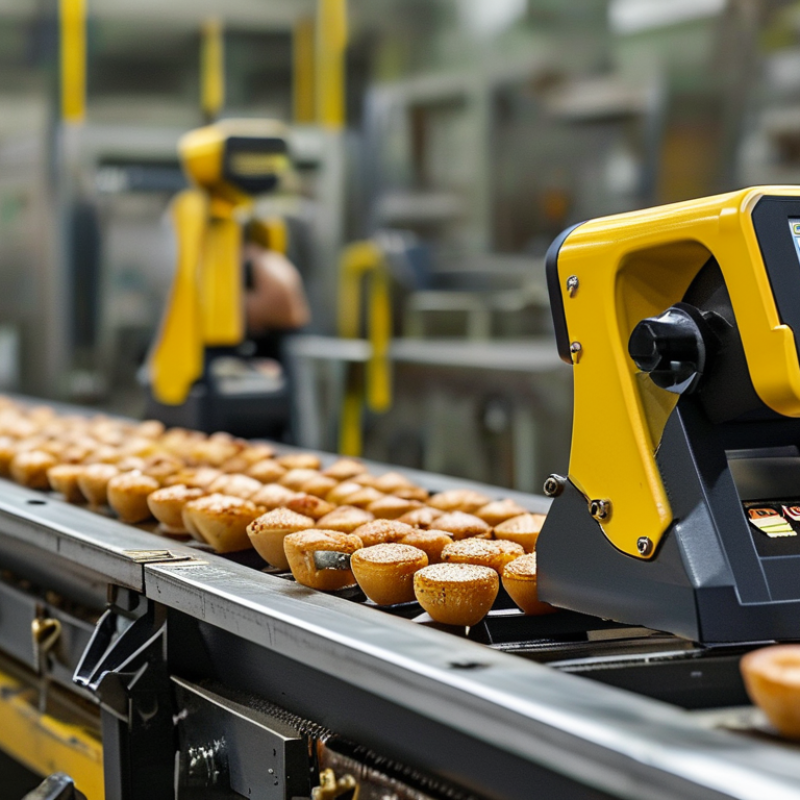
Overview of Metal Detector Checkweigher Solutions
Metal detector checkweigher solutions play a crucial role in various industries. These systems ensure product safety by detecting metal contaminants while weighing items accurately. They are essential in the food processing, pharmaceutical, and packaging sectors. According to a report by MarketsandMarkets, the global market for such solutions is expected to grow at a compound annual growth rate (CAGR) of around 5.5% from 2021 to 2026.
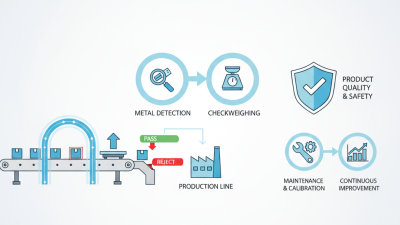
These solutions combine advanced detection technology and precision weighing. Metal detectors can identify ferrous and non-ferrous metals, while checkweighers verify compliance with weight specifications. The integration of these two technologies enhances quality control. However, the complexity of calibration and maintenance often poses challenges. Regular training is necessary to empower operators, ensuring they can troubleshoot and maintain the systems effectively.
Some users report occasional false positives. These can stem from overlapping weights or environmental factors like vibrations. It's vital for companies to continuously assess their processes and minimize these disruptions. By addressing these issues, organizations can optimize their operational efficiency. Investing in ongoing staff training and periodic system evaluations contributes to increased reliability in metal detection and weighing accuracy.
Key Features to Consider in Metal Detector Checkweighers
When choosing a metal detector checkweigher, several key features should be prioritized.
Accuracy is paramount. Data indicates that even minor discrepancies can lead to product recalls, costing companies up to $10 million.
Checkweighers must operate within strict tolerances to mitigate such risks.
Speed is another critical element. The global market demands high throughput. A checkweigher can typically process up to 300 products per minute. However, this speed must not compromise accuracy. Each component's quality plays a role here. Several reports suggest that using high-quality sensors can improve detection rates by over 30%.
Integration capabilities are crucial, too. A seamless interface with other machinery enhances operational efficiency. But, many systems struggle to communicate effectively. This can create bottlenecks and lead to inaccurate readings. Investing in systems that offer easy integration could ultimately save time and resources.
Revisiting these elements regularly is important. The industry continually evolves, and staying updated can be challenging yet essential for maintaining compliance and efficiency.
Top Brands for Metal Detector Checkweighers in the Market
In the world of manufacturing and food processing, metal detector checkweighers are crucial. They ensure product safety and quality while complying with industry standards. Leading brands often focus on precise detection technologies and efficient weight measurement. This is vital for industries where contamination can lead to significant risks.
One notable trend is the integration of advanced software with hardware. This synergy improves both accuracy and usability. However, organizations often struggle with the initial implementation. Training staff to operate these machines effectively can be a challenge. Additionally, maintenance is sometimes overlooked, leading to decreased reliability over time.
Another key aspect involves customizing solutions to meet specific needs. Not all production lines are the same. A 'one-size-fits-all' approach can fall short. Companies need to reflect on their unique requirements and evaluate various options before committing. This careful consideration can prevent costly downtimes and ensure smoother operations.
Comparative Analysis of Global Suppliers and Their Offerings
When exploring the realm of metal detectors and checkweigher solutions, it's crucial to analyze global suppliers carefully. Different regions offer varied technologies and features. Some manufacturers focus on high sensitivity, ideal for detecting small contaminants. Others prioritize speed and efficiency in processing, catering to high-volume production lines. Buyers should consider both performance and adaptability.
Evaluating suppliers involves understanding their approach to innovation and customer support. Many companies showcase their expertise through case studies and testimonials. A reliable supplier offers not only advanced products but also comprehensive after-sales service. This is essential for businesses that rely on consistent operation and maintenance.
There are gaps in the market. Some manufacturers may not provide enough information on their testing processes. Others could improve by being more transparent about their production standards. Buyers need to ask questions and seek clarity. It can lead to better purchasing decisions and stronger partnerships in the long run.
Customer Reviews and Case Studies from Industry Users
In the metal detection and checkweighing sectors, customer feedback is invaluable. Many users highlight the importance of having reliable equipment. A recent industry report noted that 75% of companies report improved product safety using advanced metal detectors. Users appreciate how these devices enhance operational efficiency.
Case studies reveal diverse uses in food and pharmaceutical industries. For example, a manufacturer redesigned their checkweighing process. Post-implementation, they achieved a 20% reduction in rejected products. Another company shared their experience with inline detectors.
They reported reduced downtime and increased production speed, but adjustments were necessary for optimal calibration.
Despite these benefits, some users express concern over costs. Investing in high-quality technology often leads to questions about ROI. A survey indicated that 30% of businesses struggled with long-term maintenance costs. This perspective reminds us that while technology can offer significant advantages, careful planning and ongoing evaluation are essential for success.