Best Chicken Sorting Machine for Efficient Poultry Processing?
In the highly competitive poultry industry, the importance of efficient processing cannot be understated. A well-functioning Chicken Sorting Machine can significantly enhance operational effectiveness. According to the USDA, the poultry sector in the United States is worth over $40 billion, emphasizing the need for precision in processing. Accurate sorting is essential for meeting quality standards and consumer demands.
However, the choice of the right sorting machine is critical. Not all machines provide the same level of efficiency or reliability. Recent industry reports highlight that integrating advanced sorting technologies can reduce labor costs by up to 30%. This advancement not only boosts productivity but also minimizes human error, leading to higher quality products.
Despite these benefits, selecting the optimal Chicken Sorting Machine requires careful consideration. Some machines may present initial affordability but lack long-term durability. Others may not adapt well to various poultry sizes. Thus, understanding the unique needs of your operations is essential when investing in sorting technology.
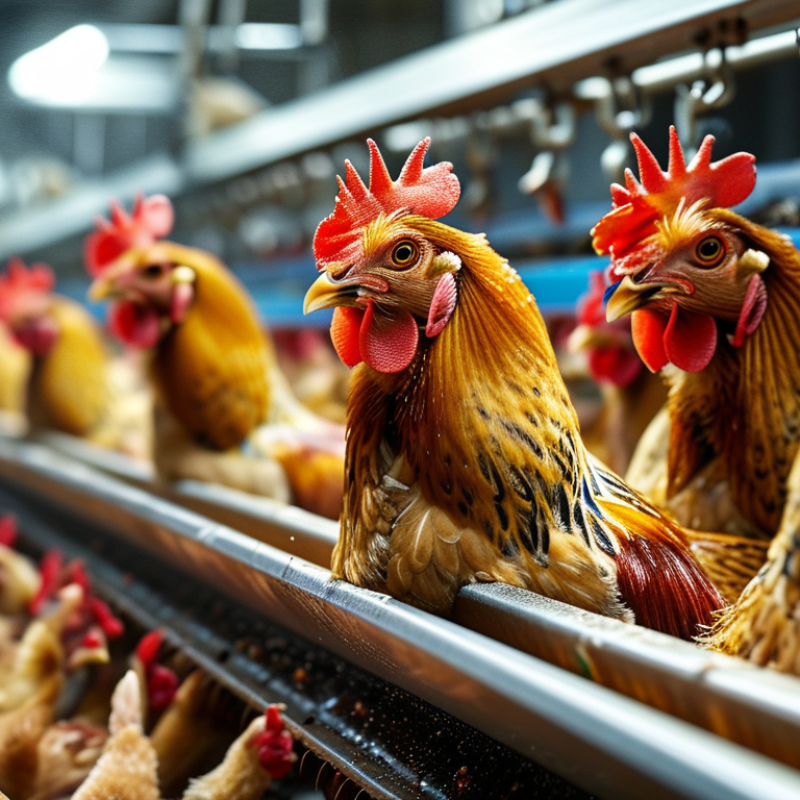
Factors to Consider When Choosing a Chicken Sorting Machine
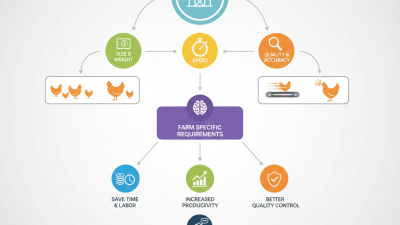
When selecting the best chicken sorting machine for efficient poultry processing, several factors come into play. The type of poultry operation greatly influences the choice. Small operations might prioritize compact machines that save space, while larger facilities need automated systems for speed. It’s crucial to assess the machine's capacity to match production demands. Efficiency can lead to reduced labor costs and increased output.
Tips: Always consider the maintenance requirements. Machines that are easy to clean can improve hygiene and reduce downtime. Look into the longevity of materials. Durable components may have a higher upfront cost but save money in the long run.
Another important aspect is the machine’s sorting accuracy. Inconsistent sorting can lead to customer dissatisfaction. Technology such as weight sensors and optical systems can enhance precision. Testing a machine’s performance with different types of poultry is essential. Not every machine will suit every operational need perfectly.
Tips: Test different models to find the best fit. Pay attention to user reviews and case studies. Seeking insights from other poultry operators can offer valuable feedback.
Types of Chicken Sorting Machines Available in the Market
When looking for a chicken sorting machine, buyers encounter various options. These machines range in size, capacity, and technology. Understanding the different types available helps in making an informed choice.
The most common type is the manual sorting machine. It requires operators to oversee the process. While budget-friendly, it can be labor-intensive and might lead to inconsistencies. Fully automated sorting systems are also available. They use advanced technology to speed up operations, reducing human error. However, they can be expensive.
As you weigh your options, consider the specific needs of your poultry processing operation. Assess the volume of chickens you handle daily. This can guide you toward a machine that aligns with your production demands.
**Tips:** Evaluate your budget versus the long-term efficiency of the machine. A low upfront cost often leads to higher operational costs. Regular maintenance is crucial for any sorting machine. Neglecting it may result in costly downtimes.
Key Features for Efficient Poultry Processing in Sorting Machines
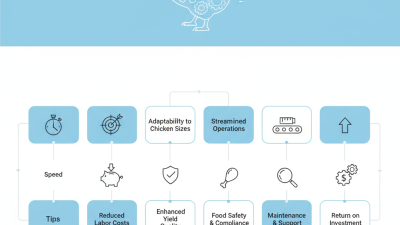
In the poultry processing sector, sorting machines play a crucial role in enhancing efficiency. One key feature is speed. Modern machines can sort hundreds of chickens per minute, significantly reducing labor costs. Studies show that automation in processing facilities can increase production rates by up to 30%. This has a direct impact on profitability and efficiency.
Another important aspect is accuracy. Precision sorting reduces errors in weight and size classification. Reports indicate that improper sorting can lead to increased waste and lower product quality. Machines equipped with advanced sensors and imaging technology can detect subtle size differences, ensuring uniformity in product batches. This attention to detail matters as a single misclassified batch can tarnish brand reputation.
Moreover, ease of maintenance is crucial. A machine that requires frequent repairs can halt operations. Manufacturers recommend machines with user-friendly interfaces and accessible components. This minimizes downtime and supports continuous production. However, not all machines provide the same level of reliability. A recent industry survey highlighted that over 20% of companies faced unexpected breakdowns, affecting overall throughput. Regular evaluation and choice of sorting technology can make a significant difference.
Best Chicken Sorting Machine for Efficient Poultry Processing
| Feature |
Description |
Efficiency Rating |
Capacity (Units/hour) |
| Automatic Weight Sorting |
Sorts chickens based on weight for precise categorization. |
95% |
3000 |
| Real-time Data Tracking |
Provides live updates on sorting statistics and performance. |
90% |
2500 |
| Multi-Size Capability |
Handles various chicken sizes efficiently in one machine. |
92% |
2800 |
| User-Friendly Interface |
Intuitive controls for easy operation and training. |
88% |
3200 |
| Durable Construction |
Robust materials to withstand intensive use and minimize downtime. |
94% |
3500 |
Benefits of Using Advanced Chicken Sorting Technology
Advanced chicken sorting technology has revolutionized poultry processing. Automation now plays a critical role in enhancing efficiency and accuracy.
According to industry reports, efficient sorting can reduce processing time by up to 30%. This technology minimizes human error, ensuring that chickens are sorted by weight and quality with precision.
Employing a chicken sorting machine can lead to significant cost savings. Studies indicate that companies adopting these systems experience a
25% decrease in labor costs. Moreover, the ability to sort chickens quickly improves overall product quality. This results in better customer satisfaction and boosts market competitiveness.
Tips: Regular maintenance of sorting machines is essential. This keeps the equipment running smoothly and reduces unexpected downtime. Staff training on the machine’s operation can enhance performance and safeguard against errors.
The transition to automated sorting systems may present challenges. Initial investment costs can be high. Some processors may hesitate, fearing disruption of their existing workflow. However, overcoming these hurdles is crucial for long-term success in a rapidly evolving industry.
Data shows that farms making this shift often see higher profitability in subsequent years.
Maintenance and Operational Tips for Chicken Sorting Machines
In the poultry processing sector, effective maintenance of chicken sorting machines is crucial. Industry reports indicate that
proper upkeep can enhance efficiency by up to 25%. Regular checks on components such as sensors and belts are essential.
These elements directly influence sorting speed and accuracy. Neglecting minor issues can lead to larger, costlier problems down the line.
Routine cleaning is another vital aspect. Machines accumulate feathers, dust, and debris, which can significantly affect performance. A study highlights that a clean machine can operate smoother,
reducing downtime by nearly 15%. Ensure that your team understands the importance of this task. Train operators to follow a rigorous cleaning schedule.
**Tip:** Schedule maintenance checks monthly. This reduces unexpected breakdowns.
Operator training also plays a critical role. All team members must be well-versed in the machine's functions. A knowledgeable operator can identify potential issues before they escalate.
Encourage staff to document any irregularities they observe during operations.
**Tip:** Consider a mentorship program for newer operators to enhance their skills.
By focusing on these maintenance and operational tips, processing plants can maximize the life and efficiency of chicken sorting machines.