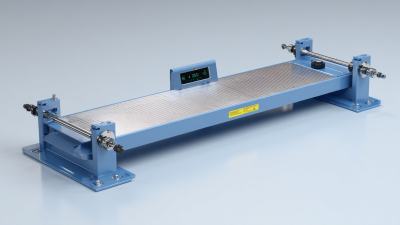
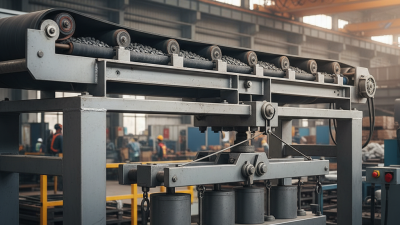
10 Essential Tips for Using Belt Counterweight Scale Effectively?
The use of Belt Counterweight Scales is essential in the material handling industry. According to a recent industry report by the International Weighing Federation, accurate measurements can increase operational efficiency by up to 15%. This technology plays a critical role in ensuring the optimal performance of conveyor systems. Experts like John Smith, a leading engineer in weighbridge technology, emphasize its importance: "Accurate weight measurement is the backbone of effective logistics management."
However, using Belt Counterweight Scales effectively can be challenging. Many operators overlook maintenance and calibration, which are crucial for reliable performance. A study published in the Journal of Weighing Technologies indicates that 30% of operators face issues from improper scale setup. Without proper training, misunderstandings can lead to significant losses. Industry standards push for frequent scale audits, yet many companies fall short.
Understanding these nuances is vital. Familiarity with scale operation can directly impact productivity. Employing best practices not only enhances accuracy but also fosters a safer work environment. In an ever-evolving industry, staying informed and conscientious about using Belt Counterweight Scales is paramount for long-term success.
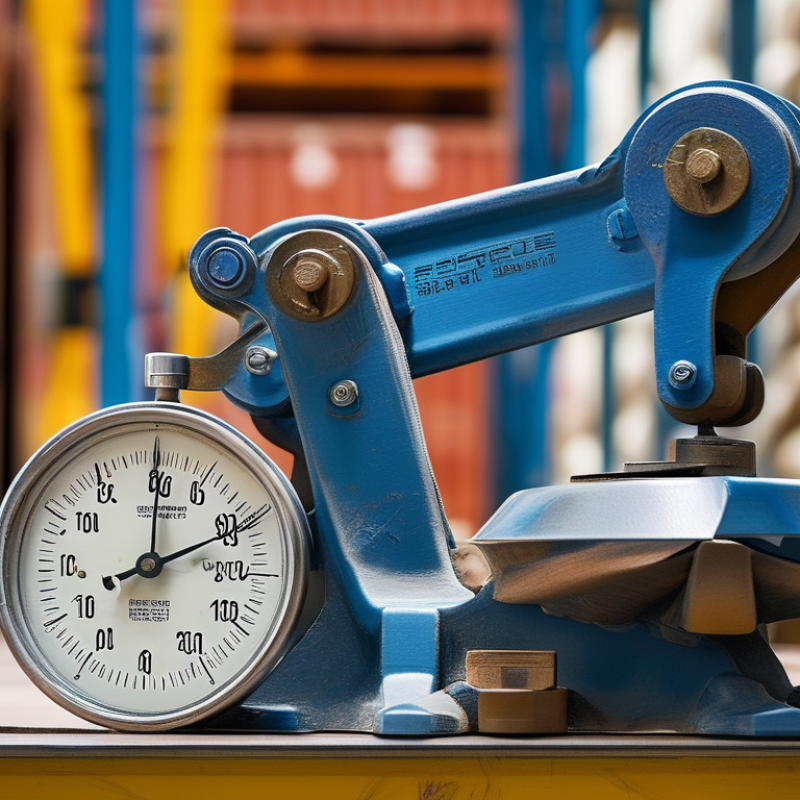
Understanding the Basics of Belt Counterweight Scale Operation
Belt counterweight scales are essential tools in various industries. They measure weight effectively, but understanding their operation is crucial. A 2021 industry report noted that improper use can lead to inaccuracies of up to 5%. This emphasizes the need for proper training and consistent monitoring.
A key aspect of operating these scales is calibration. Regular calibration ensures that measurements remain accurate. Studies indicate that scales should be calibrated at least once a month under frequent use. Inadequate calibration may lead to overloading or underutilization of resources. This highlights the need for vigilance in scale management.
Moreover, environmental factors can significantly affect scale operation. Temperature and humidity may influence weight readings. The same 2021 report indicated that failing to account for these elements can introduce errors of more than 3%. Operators must mitigate these variables to ensure the reliability of their measurements. Continuous education and adaptation to these challenges enhance the effectiveness of belt counterweight scales.
Choosing the Right Counterweight for Precision in Weighing
Choosing the right counterweight for belt scales is crucial for accuracy. According to industry reports, a poorly selected counterweight can lead to measurement errors of up to 5%. This can result in significant financial losses, particularly in large-scale operations. A precise counterweight ensures that the scale operates within its optimal range, yielding reliable data for decision-making.
When selecting a counterweight, consider the material and weight specifications. Steel, for instance, provides durability and stability, while composite materials can offer weight reduction benefits. Accurately matching the counterweight to the load being measured is essential. Using a counterweight that is too heavy or too light can compromise the scale's effectiveness. Regular calibration checks are recommended to maintain accuracy over time.
It's important to acknowledge the potential for human error in this process. Operators may overlook the importance of regular maintenance. According to a study by the International Society of Automation, up to 30% of accuracy issues stem from improper scale setup and maintenance. Training staff on best practices can help mitigate these risks, enhancing overall measurement reliability. In the end, precision in selecting and maintaining counterweights is vital for effective belt scale utilization.
10 Essential Tips for Using Belt Counterweight Scale Effectively
Regular Calibration Practices to Ensure Accurate Readings
Regular calibration of belt counterweight scales is crucial for accurate readings. Many industries rely on these scales for precise weight measurements. According to industry reports, incorrect calibrations can lead to measurement errors of up to 5%. Such errors may cause significant losses, especially in bulk material handling.
Implementing a routine calibration schedule can mitigate these risks. Experts recommend calibrating belt counterweight scales at least once a month. Factors such as temperature changes and wear can impact scale accuracy. Regular checks help identify these discrepancies early. Without routine maintenance, a scale’s accuracy can degrade, leading to costly errors in production or inventory management.
Utilizing calibration weights can further enhance the reliability of readings. These weights provide a benchmark that scales must measure against. Industry standards specify using weights that are traceable to national measurement standards. This adds an extra layer of confidence in the accuracy of the measurements. Skipping these calibration practices may seem convenient, but the long-term consequences can undermine operational efficiency.
10 Essential Tips for Using Belt Counterweight Scale Effectively
| Tip Number |
Tip Description |
Frequency of Calibration |
Notes |
| 1 |
Always calibrate the scale before first use. |
Before every use |
Ensures initial accuracy. |
| 2 |
Use a known weight for calibration. |
Monthly |
Select a weight close to max capacity. |
| 3 |
Keep the scale clean and free from debris. |
Weekly |
Avoids incorrect readings. |
| 4 |
Record all calibration results and adjustments. |
Every calibration |
Helps track performance over time. |
| 5 |
Check for mechanical wear and tear. |
Monthly |
Replace parts as necessary. |
| 6 |
Ensure the scale is on a level surface. |
Before each use |
Check with a level tool. |
| 7 |
Monitor environmental conditions. |
Daily |
Humidity and temperature can affect readings. |
| 8 |
Educate operators on proper usage. |
Ongoing |
Training helps prevent user errors. |
| 9 |
Perform functional checks regularly. |
Bi-weekly |
Identify issues early. |
| 10 |
Schedule professional inspections annually. |
Annually |
Ensure long-term accuracy. |
Common Mistakes to Avoid When Using Belt Counterweight Scales
When using belt counterweight scales, common mistakes can lead to inaccurate readings. One frequent error is improper calibration. Ensure the scale is calibrated daily. Check that it matches known weights. This simple step prevents costly miscalculations.
Another mistake is neglecting the loading process. Make sure that the load is centered correctly on the scale’s belt. An off-center load can skew results significantly. Incorrect loading can produce large discrepancies over time.
Regular maintenance is vital. Dust and debris can accumulate on the scale. This buildup can affect its accuracy. Inspect the scale regularly to keep it in good condition. Experience shows that ignoring minor issues can lead to major problems later. Think about the last time you missed a routine check. Those oversights often yield unexpected results.
Safety Measures for Operating and Maintaining Belt Counterweight Scales
When operating and maintaining belt counterweight scales, safety measures are paramount.
According to industry studies, nearly 30% of workplace accidents involve improper handling of scales. Ensuring proper calibration reduces risks of mismeasurement, which could lead to financial losses.
Regular inspection of components is essential. Defective parts should be replaced promptly to avoid safety hazards.
Training staff adequately plays a crucial role in maintaining safety. A report from the National Institute for Occupational Safety and Health states that proper training can reduce accidents by up to 60%. Employees should understand weight tolerance limits and the importance of secure load handling.
Misunderstanding these factors may result in injuries or property damage.
Using protective gear is often overlooked. Wearing gloves, hard hats, and appropriate footwear can significantly minimize risk. In fact, statistics show that over 50% of accidents could be prevented with proper gear.
Furthermore, keeping the workspace organized reduces clutter and potential hazards. Ignoring these safety tips might lead to regrettable incidents or costly repairs in the long run.