Why Choose a Rotary Collecting Table Machine for Your Business?
In today's manufacturing landscape, efficiency and precision reign supreme. A pivotal tool in achieving these goals is the Rotary Collecting Table Machine. Experts in the field emphasize its importance. John Smith, a leading authority in industrial machinery, once stated, "The Rotary Collecting Table Machine is essential for optimizing production flow." His insights highlight the machine's role in enhancing operational productivity.
The Rotary Collecting Table Machine offers significant advantages. Its design facilitates quick and efficient material handling. This not only reduces downtime but also minimizes the risk of errors. Many businesses have integrated it into their assembly lines to streamline processes. It brings forth a level of automation that manual methods simply cannot match.
Yet, choosing this technology isn't devoid of challenges. Businesses must consider factors like compatibility with existing systems. Training personnel to operate the machine effectively is crucial. Reflection on these factors ensures that companies make informed decisions. Ultimately, the Rotary Collecting Table Machine can lead to substantial improvements in productivity and efficiency when implemented thoughtfully.
Understanding the Basics of Rotary Collecting Table Machines
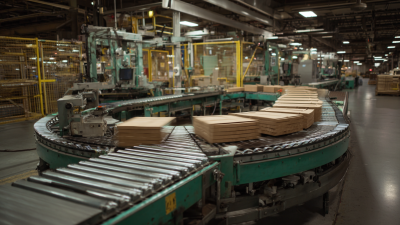
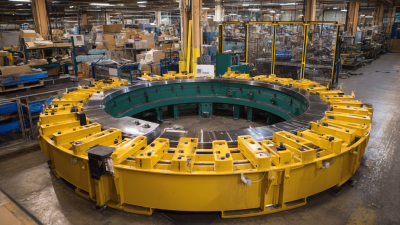
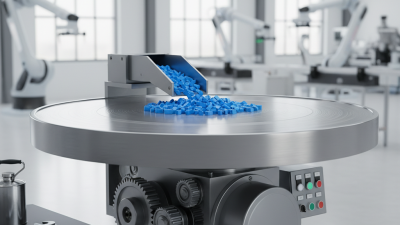
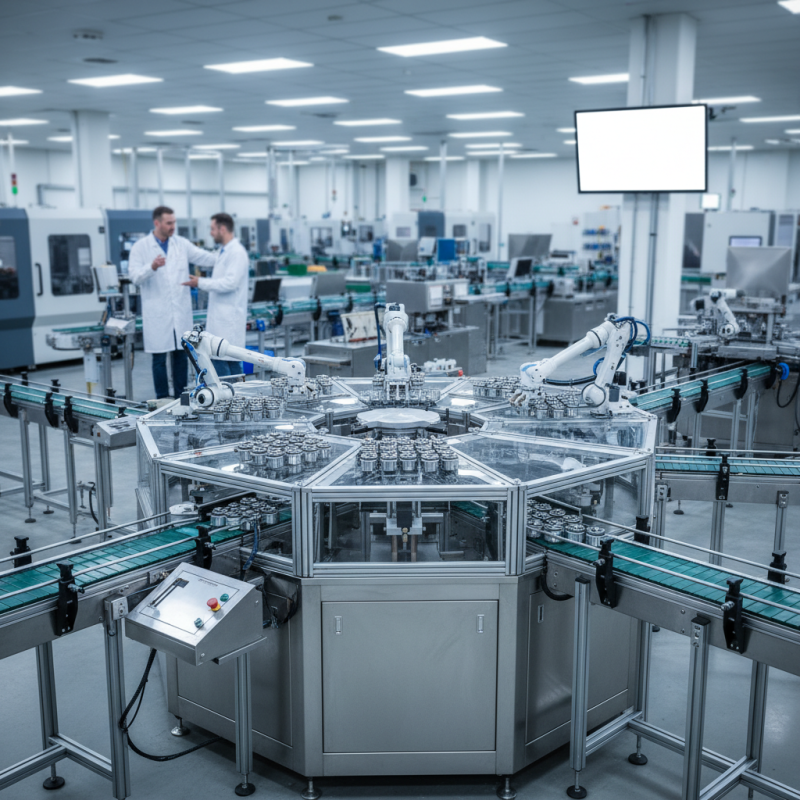
Rotary collecting table machines are essential in many production environments. These machines streamline the collection process, enhancing efficiency and productivity. They function by rotating items for easier access or sorting. This design minimizes manual handling and reduces strain on workers. With their ability to handle various sizes and weights, these machines adapt to different needs.
Understanding the basics is crucial for selecting the right equipment. Rotary tables can improve workflow significantly. However, selecting an effective model requires careful consideration. Factors such as speed, load capacity, and durability must be examined. Not every rotary table fits every industry or application. Some users may find themselves facing unexpected challenges in implementation.
A successful integration depends on proper training and maintenance. Workers need to be skilled in operating these machines. Neglecting maintenance can lead to performance issues. Regular inspections and timely repairs are vital. While rotary collecting tables offer many benefits, businesses must address these aspects to maximize their functionality. Balancing efficiency and reliability is key to a smooth operation.
Advantages of Using Rotary Collecting Table Machines
Key Features of Rotary Collecting Table Machines for Businesses
Rotary collecting table machines are essential in various industries. These machines enhance productivity and streamline operations. They are particularly beneficial for businesses that require efficient material handling and assembly processes. According to a recent industry report, the market for automated solutions is expected to grow by 15% annually. This trend highlights the importance of investing in advanced machinery.
One key feature of rotary collecting table machines is their efficiency. They can handle multiple tasks simultaneously, reducing cycle times significantly. Companies using these machines report cuts in processing times by up to 30%. Additionally, they minimize the manual labor involved, decreasing the risk of workplace injuries. This efficiency, backed by data, makes a compelling case for adoption.
Tips: Evaluate your production needs before purchasing. Ensure that the table’s capacity matches your operation’s scale. Also, consider maintenance requirements, as neglect can lead to costly downtimes. Another crucial feature is adaptability. Many rotary collecting tables can be adjusted for various product sizes, allowing for flexible production lines. This adaptability can be the difference between staying competitive and lagging behind in the market.
Benefits of Using Rotary Collecting Tables in Production Processes
Rotary collecting tables streamline production processes in various industries. These machines efficiently gather and organize products, enhancing workflow. They are particularly useful in environments where speed and accuracy are crucial. Businesses often face bottlenecks in production, but a rotary collecting table can alleviate this issue. By keeping items orderly, they reduce the time workers spend searching for materials.
Implementing rotary collecting tables leads to improved productivity. Workers can focus on essential tasks rather than managing chaos on the floor. However, the cost of integrating such machinery can be a concern. Companies must consider their budget and whether the efficiency gained outweighs the initial investment. Additionally, training staff on new equipment can be time-consuming.
The reliability of rotary collecting tables is notable. They require regular maintenance, which can sometimes be overlooked. Neglecting this may lead to malfunction and downtime. Monitoring the machine's performance is essential to ensure it continues to meet production demands. Emphasizing routine checks can help maintain high operational standards.
Comparing Rotary Collecting Tables to Other Types of Collecting Machines
When evaluating collecting machines, rotary tables stand out. Their design allows for efficient collection and organization of products. Unlike linear machines, rotary collecting tables operate in a circular motion. This can reduce downtime and increase productivity. Operators can quickly access different sections of the table without interrupting the flow of work.
Tips: Regular maintenance is crucial. Check for wear and tear on moving parts. This ensures the efficiency of the machine. A well-maintained table can prevent unexpected breakdowns.
Comparatively, other types of collecting machines may require more space. They often offer limited flexibility in layout. Rotary tables, on the other hand, can fit into various workspace configurations. This adaptability can be a game-changer for growing businesses.
Tips: Consider the size of your products. Ensure the rotary table's dimensions align with your specific needs. This step can enhance operational efficiency significantly.
Why Choose a Rotary Collecting Table Machine for Your Business?
| Feature |
Rotary Collecting Tables |
Other Types of Collecting Machines |
| Efficiency |
High throughput with continuous operation |
Variable efficiency depending on design |
| Space Requirement |
Compact design, saves floor space |
Typically larger footprint |
| Versatility |
Suitable for various packaging types |
Limited to specific designs |
| Maintenance |
Lower maintenance needs |
Higher maintenance due to complexity |
| Production Speed |
Fast cycle times |
Slower compared to rotary tables |
| Cost |
Higher initial investment but cost-effective long-term |
Lower upfront cost but expensive over time |
Factors to Consider When Selecting a Rotary Collecting Table Machine
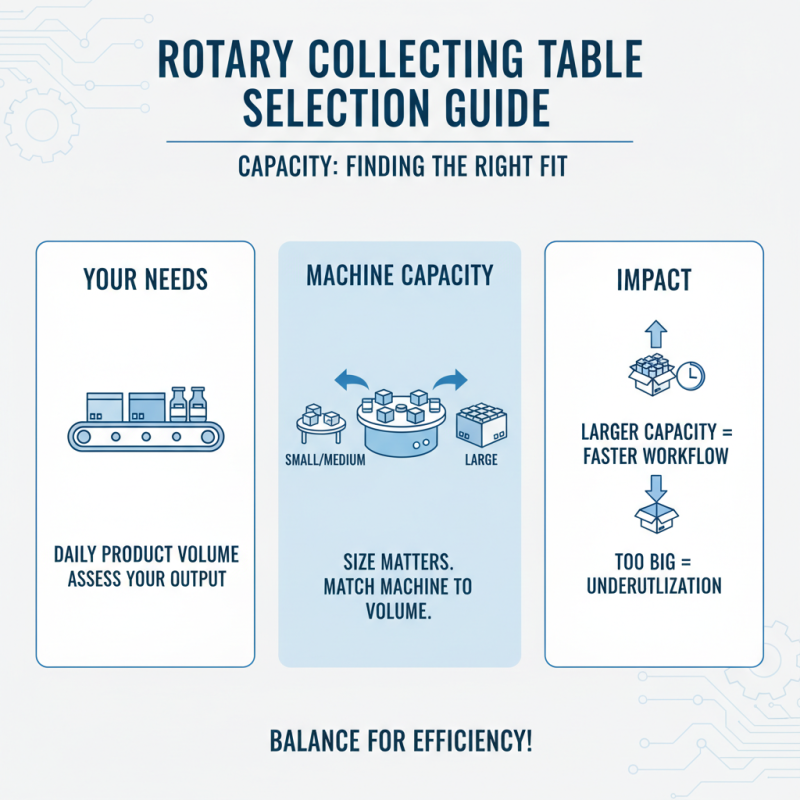
When selecting a rotary collecting table machine, consider the machine's capacity. The volume of products you handle daily impacts your choice. These machines come in various sizes. A larger capacity can speed up your workflow. However, buying a machine too big may lead to underutilization. Balancing capacity with your business needs is essential.
Another critical factor is efficiency. Look for features that enhance productivity. Some machines offer quick adjustments between different products. Others may lack flexibility, requiring manual intervention. This can be time-consuming and counterproductive. It’s crucial to assess how easy it is to change settings. An intuitive design can save valuable time.
Lastly, consider the machine's reliability and maintenance needs. Regular maintenance is necessary for consistent performance. Machines with easy access to parts might reduce downtime. However, poorly designed machines can lead to frequent breakdowns. Reflect on your long-term goals. Investing in a reliable machine can support growth, but it also requires careful consideration of initial and ongoing costs.