Choosing a Checkweighing Machine is not simply a matter of comparing prices, speeds, or stainless-steel finishes. Global buyers must examine product weight ranges, line integration, inspection accuracy, reject handling, and local service support. A machine weighing small snack packs may not suit heavy cartons, unstable containers, or products with irregular shapes. The details matter.
Tom Egan, a packaging-industry specialist and PMMI executive, has often emphasized a practical principle: “Reliable equipment decisions begin with reliable data.” That advice fits checkweighing perfectly. Buyers should request verified test results, not attractive catalogue promises. Ask for sample trials using your actual products, packaging materials, and production speed. Watch the reject mechanism operate. Listen for inconsistent movement. Small flaws become expensive problems.
This guide reviews seven Checkweighing Machine options for international buyers. It considers weighing performance, construction, software, connectivity, cleaning access, and after-sales assistance. It also discusses applications across food, pharmaceuticals, cosmetics, logistics, and industrial manufacturing. No shortlist is perfect. A high-speed model may sacrifice flexibility, while a compact machine may offer fewer diagnostic tools. That trade-off deserves honest attention.
Experience matters here. A machine can meet its specification sheet and still perform poorly in a humid room or crowded production line. Buyers should therefore evaluate factory conditions, operator training, calibration routines, and spare-parts availability. The best choice is not always the most advanced model. It is the one that delivers dependable results, clear records, and practical support over years of daily use.
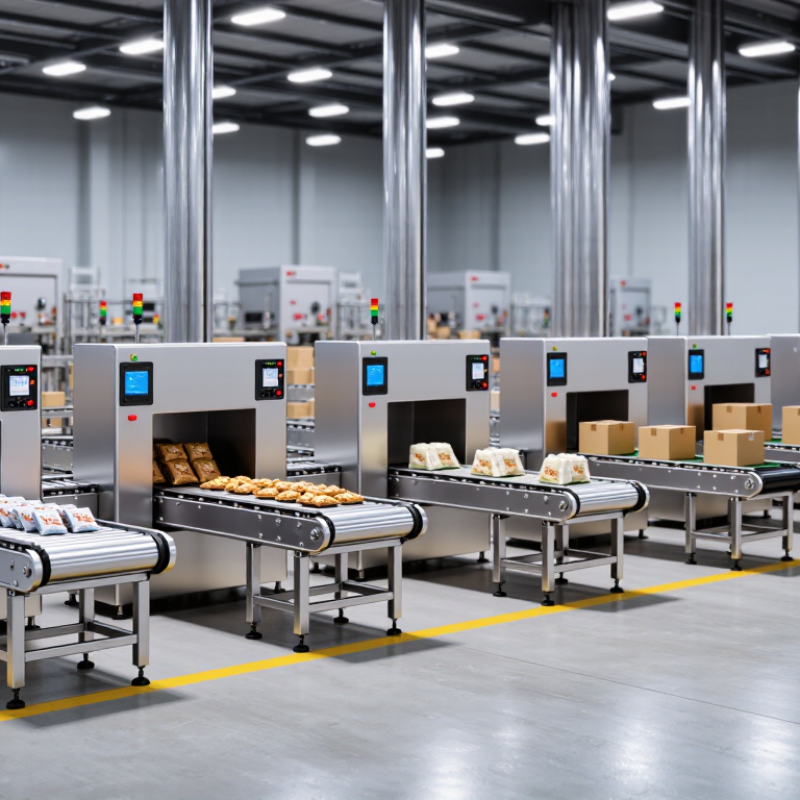
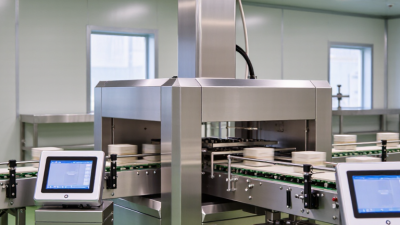
A checkweighing machine is an in-line weighing system for products moving through production. Unlike a bench scale, it weighs items without stopping the conveyor. Photoelectric sensors detect each package as it approaches the weighing section. A load cell then records its weight within milliseconds. The control system compares that reading with the programmed target range.
Simple in principle. Precise in practice.
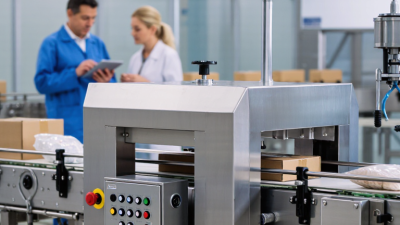
If the product meets the allowed range, it continues toward packing or shipping. An underweight or overweight item can trigger a timed air blast, pusher, or diverter. The best rejection method depends on package size, speed, and surface stability. Operators should adjust conveyor spacing carefully. Products touching each other can create false readings. Vibration, uneven floors, and changing temperatures can also reduce accuracy.
Reliable operation requires regular verification with certified test weights. Calibration should match the product type, speed, and operating environment. Clean contact surfaces matter, especially where dust or moisture collects. From production experience, small setup details often cause large measurement errors. No installation stays perfect. A setting that works today may fail after a line change or packaging update. Machine data can reveal weight trends before they become costly problems, but staff should still inspect unusual results manually.
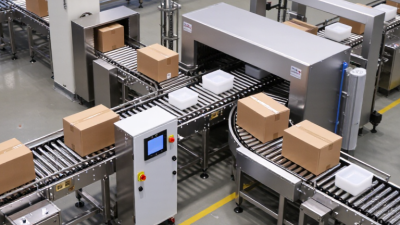
A checkweigher is an in-line weighing system that measures each product while it moves along a conveyor. The machine compares the measured weight with preset limits, accepts products within tolerance, and automatically rejects underweight or overweight products. The chart shows representative nominal throughput levels commonly used for different checkweighing configurations; actual performance depends on product size, conveyor design, weighing accuracy, and production-line conditions.
A high-quality checkweigher is more than a scale under a conveyor. It must deliver stable readings while products move, vibrate, and change format. OIML R 51-1:2016 emphasizes metrological performance for automatic catchweighing instruments, including repeatability and test procedures. That makes calibration control essential. In practical audits, I look for protected load cells, rigid frames, automatic zero tracking, and clear cleaning access. Washdown design matters.
Accuracy also depends on product handling. A centered product, controlled spacing, and steady belt speed reduce false rejects. The FAO’s State of Food and Agriculture 2019 estimated that 14% of food is lost between harvest and retail. A reliable checkweigher cannot solve every loss, but it can limit giveaway and expose unstable filling. Data logging should show weight trends, rejection reasons, and operator actions. Without that evidence, troubleshooting becomes guesswork.
The UNEP Food Waste Index Report 2024 recorded 1.05 billion tonnes of global food waste in 2022. That figure supports precise portion control, but it should not become a sales promise. Real performance varies with moisture, package shape, and line speed. I would also challenge overly optimistic specifications. A machine rated for extreme speed may sacrifice accuracy during changeovers. Buyers should request factory trials using their own products, not sample packs. Small details decide reliability.
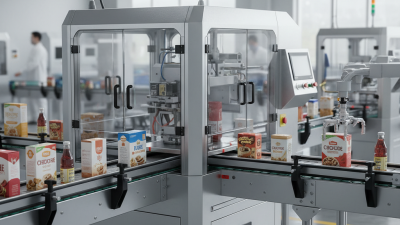
Seven leading checkweighing machines serve different production realities. In-motion belt checkweighers suit cartons, trays, and sealed pouches. High-speed conveyor units handle continuous food lines. Multi-lane checkweighers improve output where space is limited. Combination checkweigher-metal detector systems reduce duplicated handling. X-ray-checkweigher systems add inspection for dense products. Rotary checkweighers support jars and bottles. Precision intermittent-motion machines suit fragile, premium, or irregular packs. Each design needs product trials before purchase.
MarketsandMarkets’ 2024 analysis projects the global checkweigher market to grow at a mid-single-digit compound annual rate through 2029. That trend reflects stricter weight control and rising automation investment. PMMI reports that labor availability remains a major packaging concern for North American processors. Automation can help, but it is not effortless. Poor belt alignment can create unstable readings. Moisture, vibration, and product spacing matter.
Global buyers should compare accuracy, maximum speed, weighing range, reject confirmation, washdown protection, and local service coverage. OIML R51 provides an important reference for automatic catchweighing instruments. Ask suppliers for repeatability data using your actual product, not a clean demonstration sample. Check the smallest target weight carefully. A machine may advertise 300 packs per minute, yet deliver less with sticky products or frequent changeovers. Calibration records, operator training, and spare-part access deserve equal attention. The best choice is rarely the fastest machine; it is the system that maintains reliable results during ordinary, imperfect production.
When comparing checkweighing machines, accuracy should match the product and production risk. A machine weighing small sachets needs finer resolution than one handling heavy cartons. Ask for repeatability data, not only the advertised accuracy. During factory trials, place the same test weight on the belt at different speeds. Measure it twice. Temperature, vibration, and uneven product spacing can change results.
Speed has limits. A fast conveyor is useless if the reject mechanism misses products. Compare weighing rates under real conditions, including unstable packaging and frequent size changes. Check how quickly operators can adjust recipes, belts, and thresholds. Clear screens reduce training time. Small details matter. A 30-second setup can save hours each week.
Integration also affects the true cost. Confirm whether the machine connects with existing conveyors, data systems, and inspection equipment. Common industrial communication options can simplify installation, but compatibility still needs testing. Request records for calibration, rejected products, downtime, and maintenance. Purchase price is only one part of ownership. Include spare parts, service access, energy use, and operator training. A cheaper machine may become expensive when support is slow. I have seen buyers overlook this point. My own comparison process is not perfect; supplier claims still need independent production trials, especially before a high-volume purchase.
When comparing the seven best checkweighing machines for global buyers, the scale itself is only part of the decision. Compliance should be checked before a quotation is approved. Ask for calibration procedures, electrical documentation, food-contact declarations, and records that support product traceability. Confirm the machine can match local measurement rules and site conditions, including voltage, humidity, washdown exposure, and line speed. Documents matter. An impressive brochure is not enough.
During factory trials, watch how quickly operators change products, clean the conveyor, and respond to rejected weights. A clear interface can reduce training time across multilingual teams. Reliable support should include remote diagnostics, practical manuals, spare-part availability, and defined response times. Ask whether technicians can visit your region. A fast answer is useful, but a local replacement part may matter more.
Total ownership cost includes installation, calibration, software updates, energy use, maintenance, training, and production downtime. Request a five-year estimate using your actual line speed and working hours. A cheaper unit may become expensive after repeated stoppages or difficult cleaning. I would not pretend every estimate will be accurate; spare-part prices and service conditions can change. Still, transparent assumptions make the comparison more trustworthy. Keep records from site tests, service calls, and rejected-product checks before selecting a machine.
| No. | Machine Configuration | Typical Product Range | Typical Throughput | Typical Checkweighing Accuracy | Compliance Considerations | Recommended Protection | Support and Integration | Relative 5-Year TCO |
|---|---|---|---|---|---|---|---|---|
| 1 | Compact Belt Checkweigher For small bags, cartons, and pouches |
10–1,000 g | Up to 150 packs/min | Typically ±0.2–1.0 g, depending on product and speed | Use approved load cells and locally required legal-metrology procedures where weight is used for trade. | IP54–IP65 for dry or lightly dusty production areas | Simple PLC, reject output, Ethernet or industrial fieldbus; remote troubleshooting is commonly available. | Low |
| 2 | High-Speed Packaging Checkweigher For snack foods, sachets, and flow-wrapped products |
20–2,500 g | Up to 250 packs/min | Typically ±0.2–0.8 g under stable conditions | Verify OIML R51 or applicable national approval when the equipment performs regulated trade weighing. | IP65 stainless-steel construction for dry food applications | Recipe management, statistical reports, reject confirmation, line-speed synchronization, and production-data export. | Medium |
| 3 | Washdown Food-Grade Checkweigher For meat, poultry, seafood, and wet food lines |
50–5,000 g | Up to 180 packs/min | Typically ±0.5–2.0 g, influenced by moisture and vibration | Confirm hygienic-design requirements, electrical safety certification, and local weighing regulations before purchase. | IP66–IP69K stainless steel for frequent high-pressure cleaning | Tool-free belt removal, drainage-friendly frames, sanitation guidance, spare-belt availability, and on-site commissioning. | Medium–High |
| 4 | Heavy-Duty Carton Checkweigher For cases, boxes, and bulk packaged goods |
0.5–30 kg | Up to 80 cases/min | Typically ±2–10 g, depending on load range and conveyor design | Check platform capacity, calibration procedure, conveyor guarding, and applicable workplace electrical requirements. | IP54–IP65; reinforced conveyor and frame recommended for heavy loads | Integration with case packers, palletizing systems, barcode readers, PLCs, and warehouse-management interfaces. | Medium |
| 5 | Combination Metal Detector and Checkweigher For simultaneous weight and foreign-metal inspection |
20–5,000 g | Up to 180 packs/min | Typically ±0.5–2.0 g for checkweighing; metal sensitivity varies by aperture and product effect | Supports HACCP-based controls and retailer food-safety programs; validate detection performance with documented test pieces. | IP65–IP69K depending on the conveyor and washdown specification | Single reject station, reject-bin monitoring, audit trails, password levels, and coordinated preventive maintenance. | High |
| 6 | Pharmaceutical Checkweigher For bottles, cartons, blister packs, and serialized products |
0.1–2,000 g | Up to 120 packs/min | Typically ±0.1–0.5 g, subject to product stability and validation | May require validated software, electronic-record controls, audit trails, and documented calibration; applicability of 21 CFR Part 11 depends on the regulated process. | IP54–IP65 with smooth, cleanable surfaces and controlled-access operation | IQ/OQ documentation, validation support, controlled recipes, user permissions, audit logs, and change-control records. | High |
| 7 | Modular Multi-Product Checkweigher For manufacturers with frequent product and format changes |
10–10,000 g | Up to 200 packs/min | Typically ±0.3–3.0 g across multiple product formats | Select configurable legal-metrology options, traceable calibration, and software controls appropriate to each destination market. | IP65 is common; higher protection is available for wet-area modules | Quick-change conveyors, multilingual HMI, remote diagnostics, recipe backup, spare-module strategy, and operator training. | Medium–High |