Leave Your Message

Top Checkweighing Machine Manufacturers in 2026

Choosing the right Checkweighing Machine requires more than comparing advertised speed or price. In 2026, manufacturers are being judged by measurable performance, practical engineering, and dependable after-sales support. This guide examines leading suppliers through documented specifications, customer experience, production capabilities, and technical service records.

The focus is practical.

A reliable system should maintain stable accuracy while products move quickly across a conveyor. It should also handle vibration, dust, temperature changes, and frequent cleaning. Important details include weighing range, belt width, rejection accuracy, software integration, data traceability, and changeover time. In food, pharmaceutical, and consumer-goods facilities, these features affect both productivity and quality control.

The selected manufacturers are compared using evidence rather than promotional language. Factory testing, calibration procedures, inspection access, and operator training deserve close attention. A polished touchscreen means little if technicians cannot obtain spare parts promptly. Likewise, impressive accuracy may decline when installation is poor or products vary widely in shape.

No shortlist is flawless.

Specifications can change. Regional service quality can differ. Some manufacturers publish limited performance data, which makes direct comparison difficult. That limitation matters, and it should not be hidden. Readers should confirm current certifications, warranty terms, integration options, and local support before purchasing. The following overview offers a balanced starting point for identifying manufacturers that combine engineering experience, dependable quality, and realistic operational value in 2026.
Top Checkweighing Machine Manufacturers in 2026

What Is a Checkweighing Machine?

What Is a Checkweighing Machine?

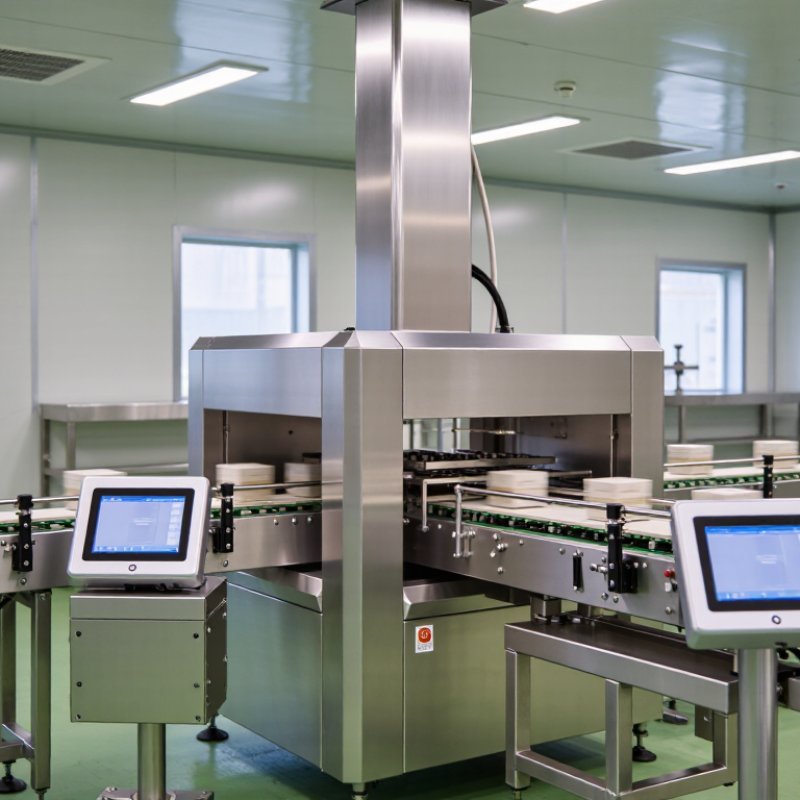
A checkweighing machine is an in-line system that weighs products after filling, sealing, or packaging. A conveyor carries each item across a load cell. The system compares its measured weight with programmed limits. Products outside those limits are automatically rejected or diverted.

This process protects consistency, reduces giveaway, and identifies filling problems quickly. For example, a 500-gram pouch may trigger rejection at 497 or 503 grams. The exact tolerance depends on product characteristics, packaging speed, and legal metrology requirements. OIML R 51 provides international guidance for automatic catchweighing instruments, although local rules still require careful review.

Grand View Research estimates that the global checkweigher market will expand steadily through 2030, supported by stricter quality control and automated production. Its industry analysis also identifies food, pharmaceuticals, and logistics as important application areas. These figures show demand, but market forecasts are not guarantees. Installation conditions can change performance.

In practical use, accuracy depends on belt vibration, airflow, product spacing, and calibration discipline. A machine may perform well during testing yet struggle beside a shaking filler. Operators should record rejected items, inspect trends, and verify reference weights regularly. Software can reveal drift before customers notice it. That is useful. It is not flawless. Sensor wear, poor cleaning, or incorrect setup can still create false rejects and hidden losses.
How Checkweighing Machines Work

Top Checkweighing Machine Manufacturers in 2026

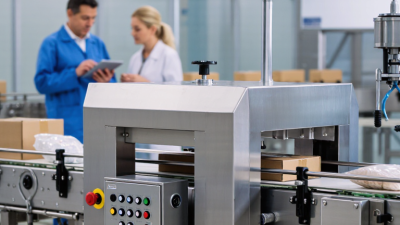
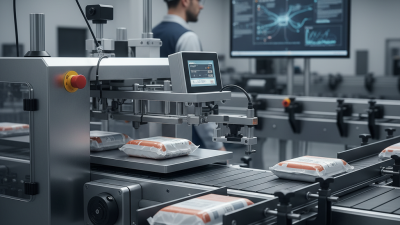
A checkweigher is an inline scale that verifies every packaged product. The product arrives on a conveyor belt. A load cell measures its weight within milliseconds. Software compares that reading with preset limits. Products outside the tolerance are removed automatically. Then the system records pass rates, average weight, and rejection causes. Simple in principle. Difficult in production. Conveyor vibration, unstable product spacing, and moisture can distort results. During commissioning, technicians should test several speeds and product positions. They should also confirm calibration with certified test weights. Grand View Research estimates that the global checkweigher market will grow at roughly 5% annually through 2030, reflecting stronger demand for automated quality control.

Modern systems can connect with line controls and generate traceable production records. Mordor Intelligence identifies food and beverage processing as a major application area, where speed and weight accuracy directly affect material costs. A practical setup needs more than a sensitive sensor. It needs stable belt tension, clean transfer points, and carefully adjusted reject timing. Operators should inspect rejected packs instead of trusting the screen blindly. That small habit catches false rejects and missed underweights. The weak point is often human setup. Even advanced equipment can perform poorly after rushed changeovers. A checkweigher should be evaluated through repeatability tests, not attractive specifications alone. Industry experience suggests that reliable results come from disciplined maintenance, documented checks, and realistic production trials.

Top Checkweighing Machine Manufacturers in 2026 - How Checkweighing Machines Work

Machine Type Typical Product Format Typical Weight Range Typical Throughput Typical Accuracy How It Weighs Reject Method Common Protection Level
Standard Conveyor Checkweigher Cartons, trays, pouches and packaged foods 20 g–30 kg Up to approximately 200 products/min Typically ±0.1–1.0 g, depending on product and speed A load cell measures the product while it travels across a weighing conveyor Pusher, air blast, drop-down belt or swing arm Usually IP54–IP65
High-Speed Checkweigher Small packaged food, pharmaceutical and personal-care items 5 g–5 kg Approximately 250–600 products/min Typically ±0.05–0.5 g Dynamic weighing with synchronized conveyor timing and digital filtering High-speed air blast or fast-diverting belt Usually IP65; washdown versions may reach IP69K
Heavy-Duty Checkweigher Bulk bags, cases, sacks, drums and industrial components 1–100 kg or more, depending on conveyor design Approximately 20–80 products/min Typically ±5–50 g Reinforced load cells weigh a separated product zone or carrier Powered roller diverter, pneumatic stop or reject conveyor Usually IP54–IP65
Multi-Lane Checkweigher Vials, sachets, bottles and small packaged products 1 g–2 kg per lane Combined output of approximately 200–1,000 products/min Typically ±0.1–1.0 g Independent weighing belts or load cells measure products in parallel lanes Lane-specific air blast, gate or belt diverter Commonly IP65; hygienic designs may reach IP69K
Combination Weighing and Inspection System Retail packs requiring weight, metal and contaminant checks 20 g–25 kg Approximately 60–250 products/min Weight performance varies by product and inspection configuration Dynamic load-cell weighing is combined with metal detection or X-ray inspection Single or dual reject station with reject confirmation Often IP65–IP69K in food-processing applications
Pharmaceutical Checkweigher Blister packs, bottles, cartons, syringes and medical devices 0.1 g–5 kg Approximately 80–400 products/min Typically ±0.01–0.5 g, subject to validation requirements Precision load cell with controlled product spacing and validated software Low-impact air blast, pusher or controlled stop mechanism Typically IP54–IP65, with cleanroom-compatible options
Washdown Food Checkweigher Meat, seafood, dairy, bakery and ready-to-eat products 10 g–15 kg Approximately 60–300 products/min Typically ±0.2–2.0 g A sealed load-cell assembly compensates for conveyor vibration and moisture Hygienic air blast, belt reject or swing gate Commonly IP66–IP69K
Checkweighing for Bottles and Containers Bottles, jars, cans and liquid-filled containers 50 g–10 kg Approximately 80–400 containers/min Typically ±0.2–2.0 g Stabilized conveyor weighing detects underfilled or overfilled containers Side-push, star-wheel transfer or lane diverter Usually IP65–IP69K for wet environments
How a Checkweighing Machine Works: Products are separated at a controlled distance, transferred onto a weighing conveyor, measured by a load cell, and compared with preset minimum and maximum weight limits. The control system then accepts products within tolerance and activates a reject device for products that are underweight, overweight or otherwise outside the configured specification.

Note: Throughput, accuracy and protection ratings are typical industry ranges. Actual performance depends on product shape, weight, spacing, conveyor length, environmental conditions and regulatory requirements.

Key Features to Compare in 2026

Top Checkweighing Machine Manufacturers in 2026

Key Features to Compare in 2026

A modern checkweigher should deliver stable accuracy without slowing the production line. Compare weighing capacity, belt speed, and product spacing under real operating conditions. A machine that performs well during a showroom test may behave differently near vibration, dust, or temperature changes. This is where practical factory experience matters.

Examine the load cell design and weighing resolution carefully. Fast digital signal processing can reduce false rejects, but accuracy still depends on installation and calibration. Automatic zero tracking helps manage small changes during production.

Tool-free belt removal, smooth surfaces, and washdown-rated construction can reduce cleaning time. Small details matter.

Data connectivity is also important in 2026. Look for secure connections with production software, clear trend reports, and user-friendly interfaces. Audit trails can support quality reviews without creating extra paperwork. Reject systems should act quickly and confirm that the product was removed. Test this feature with different package sizes. It may not work equally well for every product.

Changeover time deserves close attention.

Guided settings and saved recipes can reduce mistakes between runs. However, automation is not a substitute for trained operators. Ask about calibration procedures, spare parts, service response, and operator training before comparing prices. The cheapest machine may cost more when downtime, rejected products, and difficult maintenance are included. No specification sheet tells the whole story.

Top Checkweighing Machine Manufacturers in 2026

Top Checkweighing Machine Manufacturers in 2026

The top checkweighing machine manufacturers in 2026 will compete on accuracy, uptime, and practical integration. According to a 2024 Fortune Business Insights report, the global checkweigher market is expected to grow at roughly 5% annually through 2032. This growth reflects tighter quality control and rising automation demand. PMMI’s 2024 packaging research also identifies labor pressure and connected equipment as major investment drivers.

Experienced buyers should examine repeatability, reject accuracy, conveyor stability, and software access. OIML R 51 compliance can support reliable weight verification in regulated production. However, certification alone does not guarantee strong results. Product vibration, moisture, speed changes, and poor calibration can still create false rejects. A perfect scorecard is unrealistic. That needs reflection.

Tips: Request live trials using your actual products. Measure accuracy at normal line speed, not only in demonstrations. Ask for service-response data, spare-part availability, and training records. Check whether the system exports clear audit data. A 2023 industry report from Interact Analysis noted that manufacturers increasingly value data visibility across automation systems. This makes open communication protocols important. Still, faster data does not fix weak procedures. Review cleaning time, operator errors, and changeover steps before signing a purchase agreement.

How to Choose the Right Manufacturer for Your Needs

Top Checkweighing Machine Manufacturers in 2026

Choosing a checkweighing machine manufacturer starts with your production reality. Measure product weight, line speed, package size, and acceptable tolerance. A supplier should test samples from your actual line. Laboratory demonstrations are useful, but they can hide difficult products. Ask for recorded results, including accuracy, rejection rates, and product changeover time.

Experience matters during installation. Check whether the manufacturer has worked with similar packaging materials and operating conditions. Request references from facilities with comparable output. Speak with their maintenance teams, not only sales representatives. Ask how quickly replacement belts, load cells, and control components can arrive. Small delays can stop an entire shift. Service quality is often underestimated.

Inspect the machine’s construction closely. Look for accessible surfaces, sealed electrical areas, and simple cleaning procedures. Confirm calibration methods and digital records before signing a contract. The control system should connect reliably with your existing equipment and production records. Ask about operator training, software updates, warranty coverage, and technical support hours. A lower purchase price may become expensive after repeated service calls. I once underestimated changeover complexity; that mistake made daily cleaning slower than expected. Leave room for doubt. Test more than one product size, especially unstable packs, wet containers, or reflective wrapping. The right manufacturer will welcome difficult questions and document its limitations.