2026 Best Checkweighing Machine for Global Buyers Guide?
In the evolving landscape of packaging and logistics, the significance of a reliable Checkweighing Machine cannot be overstated. Industry expert Dr. Alice Thompson, a leading figure in automation technology, emphasizes, "Precision in weight measurement is critical for maintaining product quality and compliance." Her insights highlight the essential role that these machines play in various sectors, ensuring that products meet weight specifications.
Checkweighing Machines enhance operational efficiency by minimizing errors during the packaging process. These machines are not just tools; they are vital assets that uphold quality control. Miscalculations can have costly consequences. With industries increasingly focused on sustainability and waste reduction, the need for accurate weight measurement has become paramount.
However, selecting the best Checkweighing Machine can be challenging. Various models are available, each with unique features. Buyers must consider their specific needs while evaluating options. A machine that works well for one industry might not suit another. This complexity often requires careful reflection and informed decision-making. The journey toward the ideal solution involves weighing both technology and practicality.
2026 Checkweighing Machine Market Overview and Trends
The checkweighing machine market is evolving rapidly. In 2026, it is expected to reach a value of over $1 billion, growing at a CAGR of 6.1%. This growth highlights the increasing demand for precision in various industries, including food and pharmaceuticals. Companies seek to enhance product quality and reduce waste. The trend is clear: automation is becoming essential in production lines.
Recent reports indicate that 70% of companies now prioritize accuracy in weight measurements. This shift is driven by stricter regulations and consumer expectations for quality. Industries are under pressure to ensure compliance while minimizing errors. Advanced technologies, like AI and IoT integration, are on the rise. These facilitate real-time monitoring and data analysis, improving efficiency and reducing human error.
However, challenges remain. Many companies struggle with the high initial costs of implementing advanced checkweighing systems. Additionally, training personnel to effectively utilize new machinery can be daunting. Without proper expertise, the potential benefits may not be fully realized. Continuous evaluation and adaptation are crucial as the market landscape shifts. The future of checkweighing machines looks promising, but organizations must remain vigilant.
Key Features to Consider in Checkweighing Machines for Buyers
When selecting a checkweighing machine, buyers should consider several key features to ensure optimal performance. Accuracy is paramount in these machines. A small deviation in weight can lead to significant financial losses. Look for a checkweigher that offers high precision and can handle various product weights without compromising quality.
Another important aspect is the speed of operation. A fast checkweighing machine will enhance productivity. However, maintaining speed should not come at the expense of accuracy. Balancing both is crucial. Efficiency can be further improved with automation features. These features reduce human error and streamline the production process, but they require careful implementation.
User-friendliness is also vital. Operators should easily navigate the interface and quickly interpret results. Maintenance features, such as easy access to components for cleaning and calibration, can save time. While sophisticated machines may offer advanced capabilities, they can also be daunting. Buyers must reflect on their team's expertise in operating complex machinery before making a decision.
Top Manufacturers and Their Market Share in the Checkweighing Industry
In the checkweighing industry, understanding the top manufacturers and their market shares is crucial for global buyers. Various companies lead the market, each contributing unique technologies and solutions. Their capacities vary, with some excelling in high-speed accuracy, while others focus on durable design. Analyzing market trends can help buyers choose the right equipment for their needs.
Choosing the right checkweighing machine requires careful consideration. Evaluate your specific requirements, including speed and accuracy needs. Look for machines that offer flexibility in weighing ranges. Reviewing industry reports can provide insights into the performance of leading brands. Remember that the best option may not be the most expensive.
It’s also important to consider after-sales service and support. A reliable manufacturer will offer solid customer assistance. Users should reflect on their experiences to guide future purchases. Engaging with other buyers about their experiences can offer valuable perspectives. The choice you make today can greatly affect your operations tomorrow.
Technology Innovations Shaping the Future of Checkweighing Machines
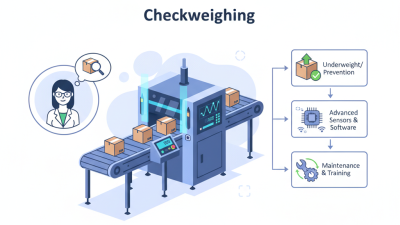
The future of checkweighing machines is being shaped by remarkable technological innovations. As industries demand greater accuracy and efficiency, manufacturers are embracing advanced technologies. These machines now feature high-resolution load cells and sophisticated software. This creates a more accurate measurement process that minimizes errors. Operators can easily calibrate machines using user-friendly interfaces.
Machine learning is becoming prominent in checkweighing systems. It allows the machines to adapt to variations in product weight over time. This capability enhances reliability and helps reduce wastage. The integration of IoT technology also facilitates real-time monitoring. Users can access data remotely, enhancing decision-making processes.
However, while innovations bring benefits, challenges remain. Adapting to new technologies requires investment and training. Many businesses may hesitate due to these costs. Moreover, the rapid pace of innovation means that machines can quickly become outdated. Therefore, companies should carefully assess their long-term needs. Balancing innovation with practicality is crucial for effective implementation in checkweighing systems.
2026 Best Checkweighing Machine for Global Buyers Guide
| Model |
Max Weight Capacity (kg) |
Speed (packages/min) |
Accuracy (g) |
Connectivity Options |
User Interface |
| CW-3000 |
30 |
120 |
0.5 |
USB, Ethernet |
Touchscreen |
| CW-4000 |
50 |
100 |
0.2 |
Wi-Fi, Bluetooth |
LCD Display |
| CW-5000 |
75 |
80 |
0.1 |
Ethernet, RS-232 |
Touchscreen |
| CW-6000 |
100 |
60 |
0.05 |
USB, Wi-Fi |
Graphic Display |
Global Regulatory Standards Impacting Checkweighing Machine Selection
In recent years, global regulatory standards have significantly influenced the selection of checkweighing machines. These standards ensure compliance and operational efficiency in various industries. According to a report by Market Research Future, the global checkweighing machine market is projected to grow at a CAGR of over 6% through 2025. Factors driving this growth include increasing demand for precision and accuracy in packaging processes.
Different regions have established their own standards. For instance, the FDA in the United States emphasizes accurate weight measurements to avoid consumer deception. Similarly, the European Union mandates compliance with the Measuring Instruments Directive (MID). Companies need to stay updated on these evolving regulations to avoid penalties and ensure product quality. Each region's specific requirements can complicate machine selection, making it imperative to align with local laws.
Moreover, adapting to these standards may increase operational costs. Businesses might face challenges integrating new machines with existing systems. While the investment in advanced checkweighing technology can enhance efficiency, the transition period is often overlooked. Companies may find it necessary to reassess their processes regularly to align with changing regulations, which can be an arduous task. The need for constant vigilance in regulatory compliance remains a crucial consideration in the decision-making process.