2026 Best Checkweigher Online Options for Global Buyers?
As industries continue to evolve, the demand for precise measurement solutions is increasing. According to a recent report by MarketsandMarkets, the global checkweigher market is projected to reach USD 620 million by 2025. This trend underscores the importance of reliable checkweighers in various sectors, including food, pharmaceuticals, and packaging. The ability to ensure product accuracy through efficient checkweigher online options is critical for maximizing operational efficiency.
In 2026, global buyers will seek the best checkweigher online solutions that combine advanced technology and robust performance. With the rise of e-commerce, manufacturers are facing heightened pressure to deliver consistent quality. A key consideration for these buyers is accuracy. An inaccurate checkweigher can lead to substantial financial losses and regulatory issues. Therefore, businesses must carefully evaluate options and select those that meet industry standards, ensuring reliability and precision in their weighing processes.
Despite the technological advancements in checkweighers, not all online options offer the same level of quality. Some products may fall short on performance or customer support. It’s crucial for buyers to conduct thorough research and consider user reviews. Engaging with suppliers who provide transparent information can also help in making informed choices, ensuring that the selected checkweighers fulfill their specific requirements.
2026 Global Checkweigher Market Overview and Trends
The global checkweigher market is evolving rapidly, driven by advancements in technology and increasing consumer demands. According to a recent market report, the global checkweigher market was valued at approximately $800 million in 2022 and is expected to grow at a CAGR of around 5% through 2026. This growth reflects the significant role of automation in industries like food and beverage, pharmaceuticals, and logistics.
Current trends highlight a shift towards more sophisticated checkweighing solutions. These are not just basic weighing devices but come equipped with advanced features like high-speed processing, data analytics, and integration capabilities with other systems. For instance, the need for real-time quality control is pushing manufacturers to adopt multi-functional checkweighers. Yet, some businesses face challenges in implementation due to complexities involved.
Despite the promising outlook, it’s important to recognize the need for periodic assessments of technology integration. Some operations are still reliant on outdated models, leading to potential inefficiencies. Industry experts often stress the importance of continual training for personnel. Understanding the evolving landscape is crucial for maintaining compliance and operational efficiency.
2026 Best Checkweigher Online Options for Global Buyers
| Region |
Market Size (USD Million) |
Growth Rate (%) |
Key Trends |
Top Applications |
| North America |
250 |
5.2 |
Automation Technology |
Food & Beverages, Pharmaceuticals |
| Europe |
230 |
4.8 |
Integration with AI |
Cosmetics, Electronics |
| Asia-Pacific |
300 |
6.1 |
Smart Devices |
Logistics, Manufacturing |
| Latin America |
90 |
3.5 |
Sustainability Focus |
Agriculture, Textiles |
| Middle East & Africa |
70 |
4.0 |
Regulatory Compliance |
Pharmaceuticals, Food Processing |
Top Features to Consider in Checkweighers for Efficient Operations
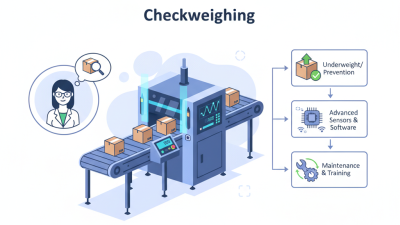
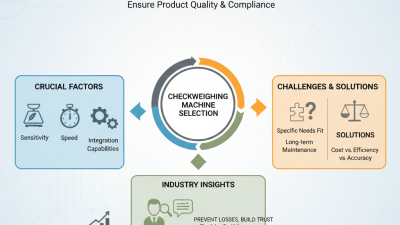
When selecting a checkweigher, several key features can significantly enhance operational efficiency. Accuracy is paramount. A reliable checkweigher must provide precise weight measurements. Even slight variations can lead to costly errors. Speed is another critical factor. In high-volume production, a checkweigher that operates quickly without sacrificing accuracy saves valuable time.
Moreover, user-friendliness should not be overlooked. A well-designed interface is essential for easy operation. Operators should navigate the system effortlessly, reducing training time. Integration capabilities also matter. The checkweigher should seamlessly connect with existing production lines and software systems. This connectivity simplifies data management and boosts overall efficiency.
Maintenance of these machines presents its challenges. Regular calibration and servicing are necessary for optimal performance. However, not all businesses have the resources to manage this consistently. Investing in a checkweigher with durable components may reduce frequent repairs. Observing these features can guide buyers toward informed decisions, ensuring better outcomes in their operations.
Leading Brands and Their Best-Selling Checkweigher Models in 2026
In 2026, the demand for checkweighers has surged. Accurate weight measurements are crucial in various industries, including food, pharmaceuticals, and logistics. According to industry reports, the global checkweigher market is expected to grow by over 6% annually. This trend shows the increasing reliance on precision in manufacturing.
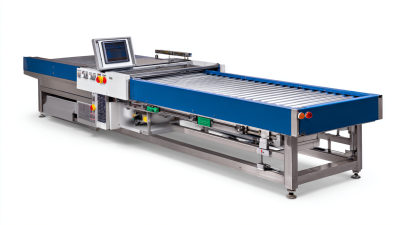
Leading manufacturers have introduced various models that cater to specific needs. High-speed checkweighers are popular in fast-paced environments. They ensure each product is weighed accurately, minimizing waste and enhancing efficiency. Features like touch screen interfaces and real-time data analytics have gained traction. However, not all models live up to expectations. Some may fall short in durability or user-friendliness. Buyers should assess their needs carefully before making a decision.
Data privacy and software reliability remain significant concerns. With advanced technologies, potential vulnerabilities could affect performance. The need for continuous upgrades and training for staff is vital. As innovations emerge, the industry must balance between automation and ensuring dependable manual oversight. Each option comes with unique advantages and challenges. Understanding these nuances can often lead to better purchasing decisions.
2026 Best Checkweigher Online Options for Global Buyers
Comparative Analysis of Checkweigher Prices and Value for Global Buyers
When exploring checkweighers for global buyers, understanding pricing and value is essential. Checkweighers come in various models, each with unique features. Prices vary significantly based on capacity, accuracy, and brand reputation. Many buyers face a common dilemma: higher costs do not always translate to better performance. A more affordable model may meet specific needs just as effectively.
Comparative analysis of checkweigher options requires a focus on specifications. Consider the maximum weight limit, operational speed, and accuracy requirements. For example, a checkweigher with a high throughput may be essential in fast-paced environments. However, a model with less speed but higher accuracy could better serve other applications. It’s crucial to assess how these parameters influence overall efficiency.
Buyers should also reflect on long-term costs. Maintenance, calibration, and potential upgrades can significantly impact total ownership costs. A comprehensive evaluation helps in determining if an initial investment is truly justified. This approach allows buyers to make informed decisions that ensure value over time, rather than just focusing on the upfront price.
Impact of Technological Advancements on Checkweigher Accuracy and Speed
Technological advancements have significantly improved checkweigher accuracy and speed. Modern systems are equipped with high-resolution sensors that detect weight changes within milliseconds. This precision is vital in industries like food and pharmaceuticals, where accuracy directly impacts product quality and safety.
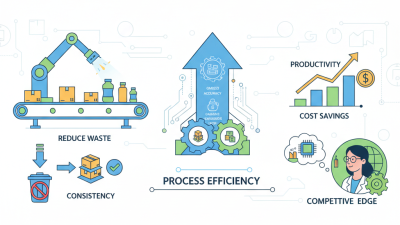
Moreover, advanced algorithms optimize weighing processes. They analyze data to minimize errors and enhance efficiency. For instance, the integration of artificial intelligence allows machines to learn from past performance and adjust in real-time. This adaptability leads to lower waste and increased productivity.
However, these innovations are not without challenges. New technology requires proper training for operators. Misuse can lead to operational inefficiencies and inaccurate results. Ensuring compliance with standards also becomes complex. Continuous evaluation of technology is essential to maintain reliability and effectiveness in the weighing process.