2026 How to Choose the Right Checkweighing Machine?
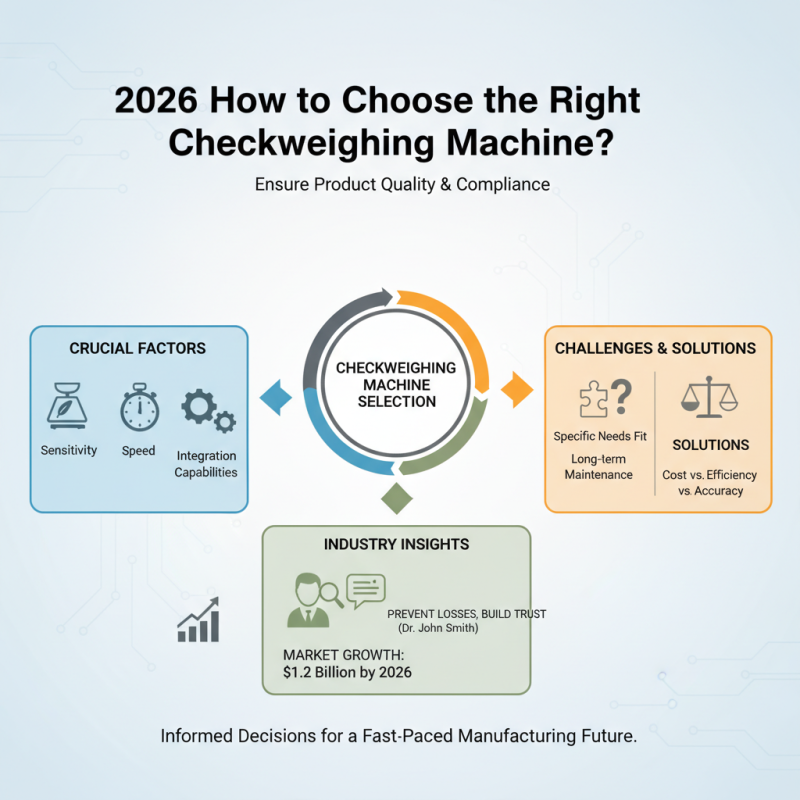
In today's fast-paced manufacturing environment, the importance of selecting the right Checkweighing Machine cannot be overstated. This equipment is crucial in ensuring product quality and compliance with weight regulations. According to a report by MarketsandMarkets, the checkweighing market is expected to reach $1.2 billion by 2026, underscoring the growing significance of precision in production lines.
Industry expert Dr. John Smith, a leading consultant in processing technology, asserts, "Choosing the right Checkweighing Machine can prevent significant losses and ensure consumer trust." His insights highlight the balance between cost, efficiency, and accuracy. Companies must consider various factors, including sensitivity, speed, and integration capabilities.
However, selecting the ideal machine is not without its challenges. Many manufacturers struggle to find models that fit their specific needs. With so many options available, it’s often easy to overlook a machine's long-term maintenance costs or compatibility with existing systems. Savvy businesses must weigh these aspects carefully to make informed decisions.
Factors to Consider When Choosing a Checkweighing Machine
Choosing the right checkweighing machine involves several critical factors. A key aspect is the accuracy and precision required for your applications. Industry data shows that inaccuracies can lead to significant financial losses. In fact, a report from the Food and Beverage industry estimates that 25% of companies face such issues due to poor weight management.
Another factor is the machine's speed. Depending on your production line, the throughput can impact efficiency. A checkweigher must accommodate your operational pace without compromising accuracy. Some reports indicate that a 5% increase in speed can enhance productivity, assuming weight accuracy remains stable.
Consider the integration capabilities of the machine. Many manufacturers overlook the necessity of seamless integration with existing systems. Machines that communicate effectively with Production Management Software often yield better results. System compatibility is a silent yet crucial requirement for maintaining workflow efficiency. Finally, reflect on your budget and the total cost of ownership. Initial low-cost options may lead to greater expenses over time due to frequent repairs or inefficiencies.
Understanding Different Types of Checkweighing Machines
When selecting a checkweighing machine, understanding the various types available is crucial. These machines vary widely in specifications and applications. Some machines are designed for dynamic checkweighing, which is ideal for fast-moving production lines. Others focus on static checkweighing, where accuracy is critical for individual items. The right choice depends on your specific operational needs.
Additionally, the technology employed in these machines can greatly affect performance. Many modern checkweighers utilize high-precision load cells for accurate measurements. Some machines come with integrated software that can track weights and alert operators of discrepancies. However, it's important to note that advanced features may lead to more complex operations. Too many options can sometimes overwhelm users who are not familiar with checkweighing machines.
Selecting the appropriate machine requires careful consideration of these factors. Manufacturing environments with varying product sizes may need versatile machines capable of handling different weights. On the other hand, a company focusing on consistency might benefit from a machine with a narrower range for precision. Always reflect on your specific requirements and seek expert advice before making a final decision.
Comparison of Different Types of Checkweighing Machines
Key Features to Look for in a Checkweighing Machine
When choosing the right checkweighing machine, consider several key features. Accuracy is paramount. A reliable machine should provide precise weight measurements. Look for devices with an excellent resolution. This ensures each product meets weight specifications.
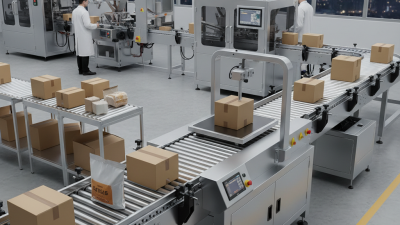
Speed is another essential feature. A checkweigher needs to perform at high speeds without compromising accuracy. Many machines can weigh and reject non-compliant products on the fly. This efficiency can greatly improve your production line.
Tips: Always check the calibration process of the machine. A device that is easy to calibrate is user-friendly. Regular maintenance is vital for long-term reliability. Consider the machine's build quality as well. A robust construction can handle industrial environments.
Integration with existing systems is also crucial. Look for machines that can connect to your software for real-time data analysis. This helps in monitoring performance and adjusting processes as necessary. Training staff is important too, but not always straightforward. Allow time for everyone to adapt to new equipment.
Assessing Your Operational Requirements for Checkweighing
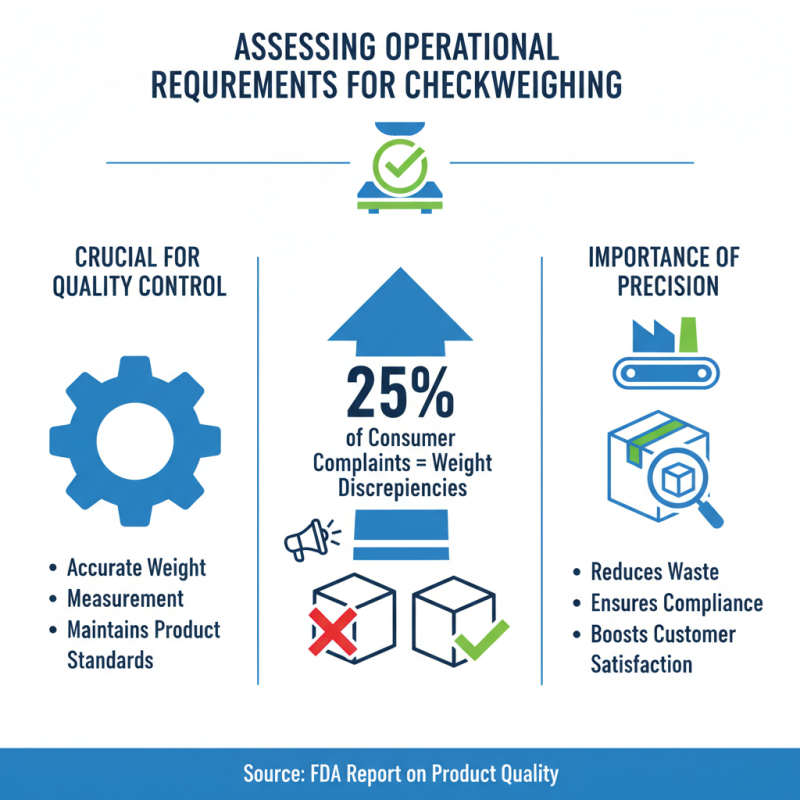
When choosing a checkweighing machine, understanding your operational requirements is crucial. Many industries rely on accurate weight measurements to maintain quality control. A report from the Food and Drug Administration indicates that 25% of consumer complaints about product quality relate to weight discrepancies. This highlights the importance of precise checkweighing in production processes.
Consider the specific needs of your operation. Assess the maximum load your machine will handle. Choose a system that offers a suitable speed for your production line. According to a study by the International Society of Automation, machines that align with operational throughput increase efficiency by up to 30%. Evaluate whether you require dynamic or static weighing. Dynamic weighing often leads to improved performance, but static systems may be more appropriate for certain products.
Also, consider the environment where the machine will operate. Will it be exposed to dust, moisture, or temperature fluctuations? These factors can impact machine performance and accuracy. Furthermore, think about maintenance needs. Regular upkeep is vital to ensure long-term reliability. A poorly maintained machine can lead to significant inaccuracies, affecting overall quality and compliance. Balancing between precision, speed, and environmental adaptations is key.
Budgeting and Cost Considerations for Checkweighing Equipment
When budgeting for checkweighing machines, understanding costs is essential. According to industry reports, the average cost of checkweighing equipment ranges from $10,000 to $100,000. This wide range reflects various features, accuracy levels, and machine types. Companies must evaluate their specific needs, including the type of products and required precision.
Maintenance costs can add up. Regular servicing ensures accuracy. Neglect may lead to false readings. If a machine fails, production could halt. This downtime can be costly, particularly in high-volume industries. Reports indicate that companies can lose up to $15,000 daily due to equipment failure.
Training staff to operate these machines is another expense. Companies often underestimate this cost. Effective training enhances productivity. It also helps in reducing mistakes during operations. Investment in quality checkweighing equipment may seem hefty. However, the return on investment can justify the expense through improved accuracy and reduced waste.