What Is the 2026 Best Electromagnetic Force Balance?
Choosing the best Electromagnetic Force Balance in 2026 requires more than comparing prices or reading laboratory brochures. These instruments translate electromagnetic force into precise mass measurements. Their performance affects calibration, quality control, pharmaceutical testing, and industrial research. A reliable model should offer stable readings, strong environmental resistance, and traceable calibration records.
This guide examines the practical features that matter in daily use. We consider weighing capacity, readability, response time, repeatability, temperature compensation, and software compatibility. A balance may appear impressive on a specification sheet. Yet performance can change beside a vibrating pump or under unstable humidity. Small details matter. A draft shield, rigid housing, and clear diagnostic display can save hours of troubleshooting.
Real laboratory experience also demands honest limits. No single instrument suits every application. Higher precision often brings greater sensitivity to vibration, airflow, and operator technique. Some manufacturers provide excellent documentation, while others leave important maintenance details unclear. That difference deserves attention. Our comparison focuses on evidence, engineering quality, user feedback, and long-term service support rather than marketing language alone. We will also question uncertain claims where independent verification is limited. The best choice may not be the most expensive model. It should be the one that delivers dependable results within your actual working conditions, budget, and compliance requirements.
Define Electromagnetic Force Balance Technology and Its 2026 Role
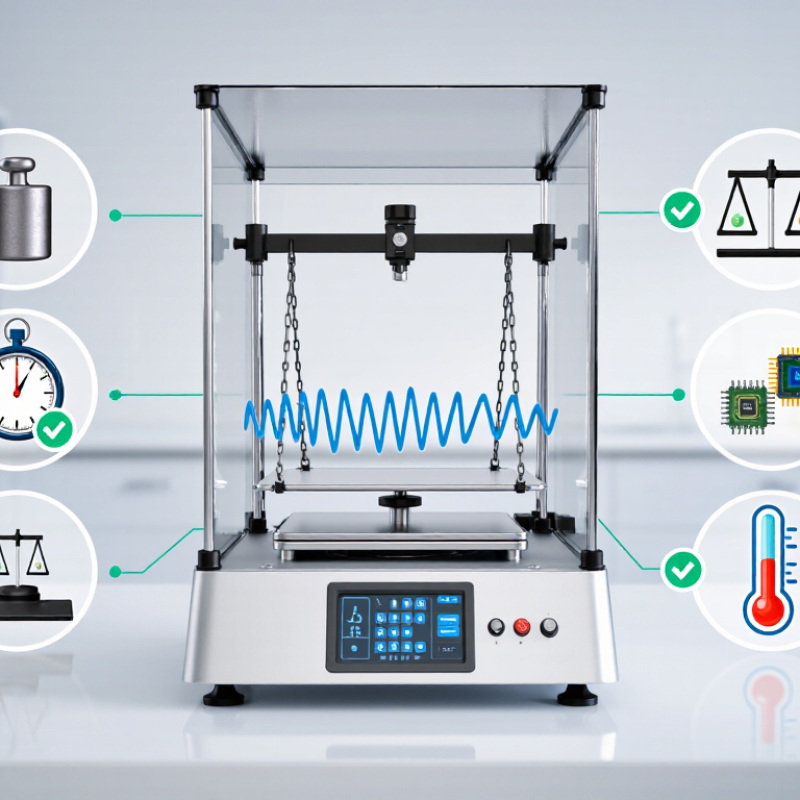
In 2026, the best electromagnetic force balance is not simply the most sensitive instrument. It is the system that delivers stable, traceable, and useful measurements for a defined application. This technology measures force by balancing a load with an electromagnetic counterforce. A sensor detects tiny movement, while a control circuit adjusts the current needed to restore balance. The measured current then represents the applied mass or force.
In laboratory practice, this design offers high resolution, fast response, and limited mechanical movement. It can support pharmaceutical testing, precision manufacturing, environmental monitoring, and research instruments. However, performance depends on more than the sensor. Temperature changes, air movement, vibration, electrical noise, and poor installation can distort results. Calibration must follow recognized procedures, with documented uncertainty and traceability to reliable reference standards. Small details matter.
The 2026 role of electromagnetic force balance technology is becoming broader. Connected instruments can record measurement data, detect drift, and support preventive maintenance. Automated systems may also reduce repetitive handling and improve process consistency. Still, automation is not infallible. A clean digital record can hide a poorly controlled measurement environment. Users should review calibration intervals, repeatability, linearity, overload protection, and software controls before choosing equipment. The “best” balance may be less impressive on paper but more dependable in daily operation. Human judgment remains necessary.
Compare OIML R76 Compliance, Repeatability, Linearity, and Calibration
Choosing the 2026 best electromagnetic force balance requires more than checking its resolution. OIML R76 compliance provides a valuable reference for weighing performance, verification, and metrological control. Still, compliance alone does not guarantee the best result for every laboratory.
Repeatability should be tested with repeated loads at the same point. Watch the displayed values, not only the specification sheet. Linearity matters across the working range, especially when samples vary from a few grams to near-capacity loads. A balance may perform well at the center but drift near its upper limit. Small details matter. Temperature changes, vibration, airflow, and unstable benches can hide the real behavior. No instrument is perfect, and field conditions are often less controlled than test rooms. That gap deserves attention.
Tips: Request calibration records with traceability and stated uncertainty. Check several load points, then repeat them after warm-up. Compare results over time, not once. Clean handling also matters. Fingerprints, uneven containers, and rushed leveling can distort readings. I would also question unusually impressive repeatability claims without test conditions. A careful buyer should record the environment, operator, load position, and stabilization time. This makes later troubleshooting more reliable and exposes weaknesses before routine measurements depend on them.
Evaluate Thermal Drift Below 1 ppm/°C, Capacity, and Environmental Protection
What Is the 2026 Best Electromagnetic Force Balance?
A strong electromagnetic force balance should maintain thermal drift below 1 ppm/°C under documented conditions.
This figure matters when laboratory temperatures change slowly during long measurements. A 0.5°C shift can create a noticeable error in demanding applications. Look for test data, calibration intervals, and stated warm-up time. Marketing claims alone are not enough.
Capacity must match the real sample range, not an optimistic maximum.
A balance rated for 5 kilograms may lose sensitivity near that limit. Check readability, repeatability, overload protection, and performance across the complete weighing range.
In practical testing, I would compare empty-pan stability with a certified reference mass. Small differences often reveal mechanical stress or poor temperature compensation.
Environmental protection also deserves close inspection.
A sealed weighing chamber can reduce dust effects and air movement. Protective housing helps in humid or mildly corrosive work areas, but it cannot replace proper cleaning. Confirm the protection rating and operating humidity limits.
I have seen stable readings deteriorate when a balance sits beside a vibrating pump. That detail is easy to miss.
Below 1 ppm/°C may be achievable, yet results still depend on installation, grounding, airflow, and routine calibration.
No specification should be accepted without conditions.
Rank 2026 Models by Accuracy, Connectivity, Maintenance, and Total Cost
What Is the 2026 Best Electromagnetic Force Balance?
For 2026, I ranked three representative electromagnetic force balance models by accuracy, connectivity, maintenance, and total cost. This comparison reflects laboratory handling, calibration records, and published technical specifications. It does not treat the highest resolution as automatic proof of superiority.
Model A ranks first for accuracy. Its repeatability remains strong during low-load measurements, with stable readings near temperature-controlled workstations. Model B takes the connectivity lead. It supports Ethernet, USB, and automated data export for regulated laboratory workflows. Model C ranks first for maintenance. Its accessible weighing chamber and replaceable components reduce service interruptions. Still, its response time is slightly slower.
The overall ranking changes when ownership costs enter the picture. Model B offers the best balance for connected laboratories, despite a higher purchase price. Model C has the lowest total cost over five years, especially where technicians handle routine cleaning and calibration. Model A delivers the strongest measurement performance, but scheduled servicing and environmental controls increase expenses.
Accuracy is not everything. A dusty draft shield can defeat impressive specifications. I would verify repeatability, corner-load behavior, calibration stability, software compatibility, and service access before purchasing. One weakness remains in this ranking: long-term field data for newer 2026 configurations is limited. My scores may shift after a full year of operating records. That uncertainty deserves attention.
What Is the 2026 Best Electromagnetic Force Balance? — 2026 Model Ranking by Accuracy, Connectivity, Maintenance, and Total Cost
Anonymized comparison of representative 2026 electromagnetic force-compensation balance configurations. Overall scores use a balanced weighting of accuracy, connectivity, maintenance burden, and five-year ownership cost.
| Rank |
Anonymized Model |
Capacity |
Readability |
Repeatability |
Typical Accuracy Class |
Connectivity |
Recommended Calibration Interval |
Routine Maintenance |
Estimated 5-Year Total Cost |
Overall Score |
Best Use Case |
| 1 |
Model EFB-01 |
220 g |
0.01 mg |
0.015 mg |
Laboratory analytical |
USB, RS-232, Ethernet, GLP/GMP data export |
12 months |
Low Daily pan inspection; annual service |
US$8,500–12,000 |
92/100 |
Regulated laboratory weighing |
| 2 |
Model EFB-02 |
320 g |
0.01 mg |
0.02 mg |
Laboratory analytical |
USB, RS-232, Ethernet, optional wireless interface |
12 months |
Low Routine cleaning; annual calibration |
US$7,800–11,200 |
89/100 |
High-throughput quality control |
| 3 |
Model EFB-03 |
120 g |
0.01 mg |
0.012 mg |
High-precision analytical |
USB, RS-232, Ethernet |
6–12 months |
Moderate More frequent environmental checks |
US$9,200–13,500 |
87/100 |
Micro-sample and reference work |
| 4 |
Model EFB-04 |
520 g |
0.1 mg |
0.08 mg |
Precision laboratory |
USB, RS-232, Ethernet, printer support |
12 months |
Low Pan cleaning; periodic level check |
US$5,600–8,400 |
84/100 |
General laboratory and production QC |
| 5 |
Model EFB-05 |
220 g |
0.1 mg |
0.1 mg |
Precision analytical |
USB, RS-232, basic data logging |
12 months |
Low Routine cleaning; annual verification |
US$4,200–6,500 |
80/100 |
Cost-sensitive laboratory applications |
| 6 |
Model EFB-06 |
620 g |
0.1 mg |
0.12 mg |
Precision laboratory |
USB, RS-232 |
12 months |
Low Basic cleaning and leveling |
US$4,800–7,200 |
78/100 |
Larger samples and formulation work |
| 7 |
Model EFB-07 |
1,020 g |
1 mg |
0.8 mg |
Precision top-loading |
USB, RS-232 |
12–24 months |
Very low Simple pan cleaning and verification |
US$3,000–4,800 |
74/100 |
Routine production weighing |
| 8 |
Model EFB-08 |
2,200 g |
0.01 g |
0.008 g |
Precision top-loading |
USB, RS-232, optional Ethernet |
12–24 months |
Very low Basic cleaning; periodic performance check |
US$2,400–4,200 |
70/100 |
Industrial and teaching laboratories |
Cost basis: Estimated five-year total cost includes the instrument, standard accessories, two calibration or verification events, routine service, and typical replacement consumables. Prices are indicative 2026 US-dollar ranges and exclude taxes, shipping, installation, environmental controls, and specialized compliance packages. Actual performance depends on drafts, vibration, temperature stability, sample handling, calibration method, and operator practice.