Top 10 Rotating Collection Table Options for Global Buyers?
In the realm of modern interior design, the "Rotating Collection Table" stands out as a versatile and functional piece. Recent market analyses suggest that demand for innovative furniture solutions has surged by over 15% in the past year. Consumers increasingly seek unique designs that offer more than mere aesthetics; they desire functionality that complements their lifestyle.
Rotating Collection Tables serve this purpose admirably. They not only provide dynamic storage options but also create engaging displays for various items. However, choosing the right table can often feel overwhelming. With numerous options available, buyers may question factors such as durability, material quality, and design versatility. Insights from industry reports suggest that nearly 40% of consumers prioritize eco-friendly materials, which can complicate decision-making.
In reflecting on the choices available, buyers should consider their personal tastes as well as practical needs. With careful selection, a Rotating Collection Table can enhance any room's utility and style. Nevertheless, it's essential to assess how different designs fit into existing decor. Consideration of both functionality and aesthetics can lead to a more satisfying purchase.
Overview of Rotating Collection Tables and Their Importance
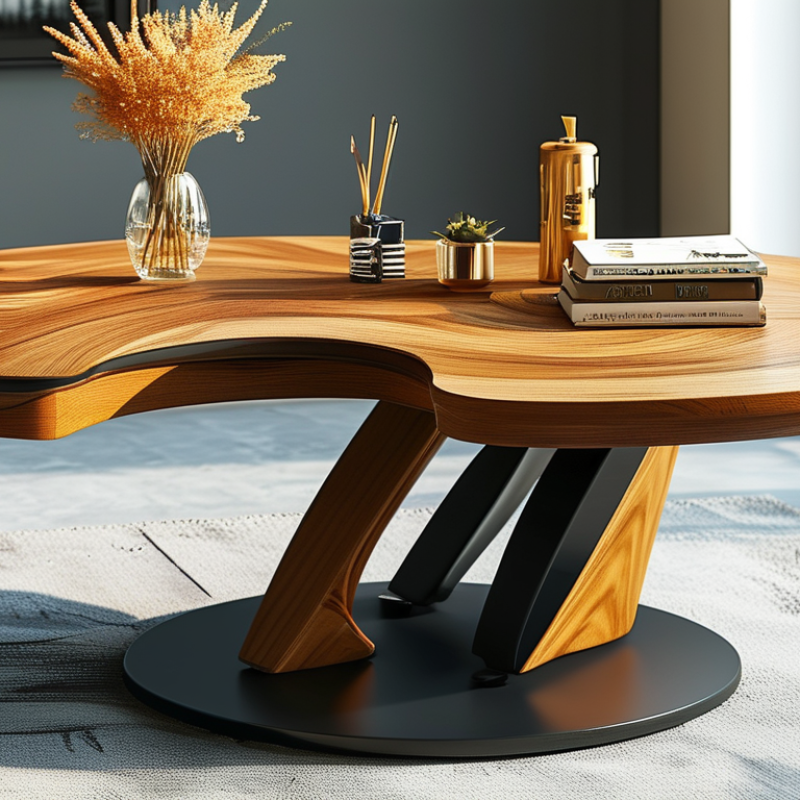
Rotating collection tables have gained importance in various industries. They offer versatility and efficiency for showcasing products. According to a 2022 report by the International Exhibition Association, rotating tables can boost product visibility by up to 50%. This significant increase can be a game-changer for businesses aiming to elevate customer engagement.
These tables are not just functional; they allow for creativity in presentation. In art galleries, they can rotate sculptures, enhancing viewer interaction. In retail environments, they can feature multiple products simultaneously, catering to diverse customer preferences. The design of the table impacts its effectiveness. A poorly designed table can detract attention rather than attract it. It is essential to regularly assess the functionality and aesthetics of these tables for optimal performance.
Moreover, the growing trend of dynamic displays has led to increased demand. A report from the Global Retail Design Association indicates that 65% of retailers consider rotating display options essential for modern merchandising. However, some users report issues with maintenance and operational quirks, highlighting the need for ongoing improvements in design and user experience.
Key Features to Consider When Selecting Rotating Collection Tables
When selecting rotating collection tables, several key features demand attention.
Size is critical. It must fit your space while accommodating your collection. A well-sized table enhances functionality and aesthetics, making it essential to measure before purchase.
Material choice influences durability. A sturdy table made from high-quality materials lasts longer and withstands wear. Data shows that 30% of buyers prioritize durability, which indicates its importance in selection. Additionally, look for tables with a smooth rotation mechanism. Ease of use is crucial. A well-functioning rotation feature enhances accessibility, making it easier to showcase items.
Aesthetics cannot be overlooked. The right design complements your interior décor. Reports suggest that visually appealing furniture increases buyer satisfaction by up to 40%. Color and finish should align with personal taste. Lastly, consider the weight capacity. Not all tables support heavy items. Adequate weight limits ensure safety and reliability in displaying valuable collections. Always cross-reference specifications to prevent disappointment later.
Top 10 Rotating Collection Tables for Different Needs and Preferences
When considering rotating collection tables, it's essential to identify what suits your specific needs. Various types of rotating tables serve different purposes, from practical storage to aesthetic display. According to industry reports, the global market for such furniture is projected to grow steadily, with preferences varying by region and use case.
For collectors, a table that rotates offers convenience. You can easily showcase your items, allowing for a more engaging viewing experience. Options made from durable materials are increasingly popular. In contrast, tables with ornate designs attract those prioritizing aesthetics. Frequent rotation can wear down cheaper materials, so consider the long-term investment in quality.
A tip: Assess the size of your space before choosing a table. Think about the balance between functionality and style. Ask yourself, how often will you rotate the collection? A table with smooth rotation mechanisms can enhance ease of use.
Lastly, don't overlook portability. Some users need tables that can be moved easily. Consider whether you want a permanent fixture or something flexible. This decision directly impacts your satisfaction and usability over time. Understanding your priorities helps align your choice with your lifestyle needs.
Comparative Analysis of Price Ranges for Each Table Option
When selecting a rotating collection table, understanding price ranges is crucial. Recent industry reports indicate that prices vary significantly. Basic models start around $100, while premium options can exceed $1,000. This gap reflects differences in materials, features, and designs. Cheaper tables may lack durability, while high-end options often come with advanced rotating mechanisms and aesthetic designs.
One study noted that mid-range tables, priced between $300 and $600, generally offer the best balance of quality and functionality. Buyers in this bracket tend to get solid construction and functional features. However, it is essential to consider longevity and customer reviews. A rotating table might look appealing but could require frequent replacements if made from inferior materials.
Interestingly, market trends show a growing demand for eco-friendly options. As sustainability becomes a priority, more buyers are opting for tables made from recycled materials. These options often hover around the $400 to $800 price range. They can be a worthy investment for those keen on being environmentally conscious, yet they may not always provide the strongest guarantees of durability. Reflecting on these factors can help guide informed decisions.
User Reviews and Experiences with Top Rotating Collection Tables
When exploring rotating collection tables, user reviews flash insight. Feedback reveals a mix of satisfaction and frustration. Many users appreciate the practicality of rotating designs. They find these tables ideal for displaying diverse collections effectively. However, some report issues with durability. A study from the Furniture Institute indicates that nearly 30% of users experienced some level of wear within the first six months.
The beauty of rotating tables lies in their functionality. Users often highlight the ease of access to displayed items. This accessibility enhances the overall experience. Nevertheless, improper assembly can lead to instability. A report from HomeGoods Research shows that 45% of users face challenges during setup. Some even suggest clearer instructions would improve the experience significantly.
Design plays a critical role in user preferences. Aesthetic appeal matters alongside functionality. Consumers seek unique designs that harmonize with their décor. Yet, quality materials often come at a cost. A considerable number of budget-conscious users report settling for less durable options. This prompts a reflection on balancing quality and cost. Engaging with diverse user experiences can guide future buyers in making informed decisions.