Top Tips for Using a Rotating Collection Table Effectively?
In the rapidly evolving field of museum collections, the use of a Rotating Collection Table has become increasingly vital. Industry experts argue that this innovative tool enhances audience engagement by facilitating interactive experiences. According to a report by the American Alliance of Museums, institutions that employ rotating displays see a 30% increase in visitor retention. Expert Dr. Sarah Thompson emphasizes, "The Rotating Collection Table not only showcases items but also tells a story."
However, effectively utilizing a Rotating Collection Table can be challenging. It requires careful curation and a deep understanding of your audience's interests. Institutions must consider the spatial layout and item visibility to create an engaging presentation. Missteps can lead to disinterest or confusion among visitors. Despite the potential pitfalls, the impact of a well-executed rotating display is undeniable.
Visitors are drawn to dynamic environments. They appreciate the freshness brought by a Rotating Collection Table. As museums strive to attract diverse audiences, adopting this practice is essential. Yet, reflection on past implementations can unveil areas for improvement, ensuring that every exhibit captivates and educates effectively. Balancing innovation and research is key to unlocking the true potential of a Rotating Collection Table.

Understanding the Concept of a Rotating Collection Table
A rotating collection table is a dynamic tool designed to manage and display various items effectively. This concept revolves around the idea of adaptability. It allows for easy rotation of items, giving visibility to different pieces without cluttering a space. By employing this method, collection managers can ensure that all items receive attention and are appreciated by the audience.
Understanding the layout and organization of a rotating table is crucial. Consider dividing the table into distinct sections. Each section can highlight certain themes or categories. This not only makes the collection more engaging but also encourages viewers to explore each area. The rotation should be timed appropriately. Too fast may overwhelm viewers, while too slow could lead to items being overlooked.
However, there can be challenges. Not every item may fit seamlessly into the rotation. Some may require special handling or need more exposure. It's important to remain flexible and reassess the setup periodically. Collectors can benefit from feedback to optimize the display. Experimentation is key. Through trial and error, a more effective rotation strategy can be developed over time, enhancing the overall presentation and interaction with the collection.
Identifying the Key Benefits of Using a Rotating Collection Table
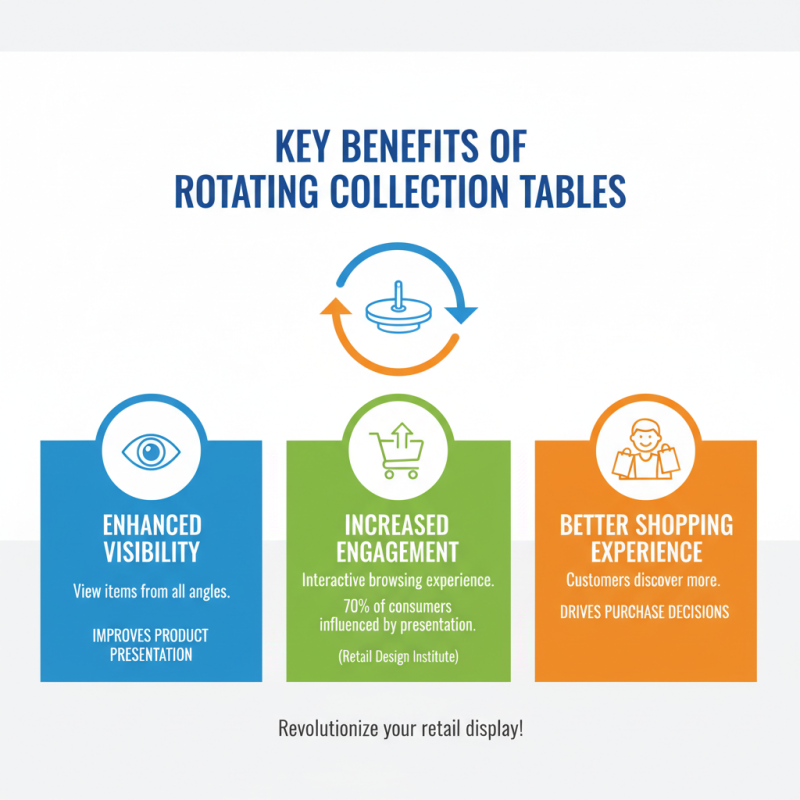
The rotating collection table offers numerous advantages for displays and engagements. These tables enhance visibility, allowing customers to view items from multiple angles. According to a survey by the Retail Design Institute, 70% of consumers are influenced by product presentation. A rotating table can significantly improve the shopping experience.
Moreover, these tables encourage interaction. Reports indicate that interactive displays can boost customer interest by 40%. When items rotate, they attract more attention, stimulating curiosity. This dynamic approach can also lead to increased sales conversion rates. It's not unusual for retailers to see a 25% increase in sales after employing rotating displays.
Yet, challenges exist. Poor lighting can diminish the effectiveness of a rotating collection table. Insufficient product labeling may cause confusion. Retailers should prioritize these aspects for maximum impact. Rotating tables are a powerful tool, but they require careful planning and execution to truly shine.
Step-by-Step Guide on Organizing Collections for Display
Creating a well-organized rotating collection table is essential for maximizing display effectiveness. According to recent studies, up to 80% of museum visitors respond positively to dynamic displays. This indicates that varying collections can draw more attention. Start by assessing your collection. What items resonate most with your audience? Identify themes or stories that can engage viewers.
Next, consider layout and accessibility. Arrange items in a visually appealing manner. Group similar objects together but also mix in contrasting pieces to spark curiosity. A study found that clear labeling can enhance understanding by 60%. Labels should be concise and informative. Use fewer words. Ensure items are reachable and inviting for closer inspection. This can lead to deeper engagement.
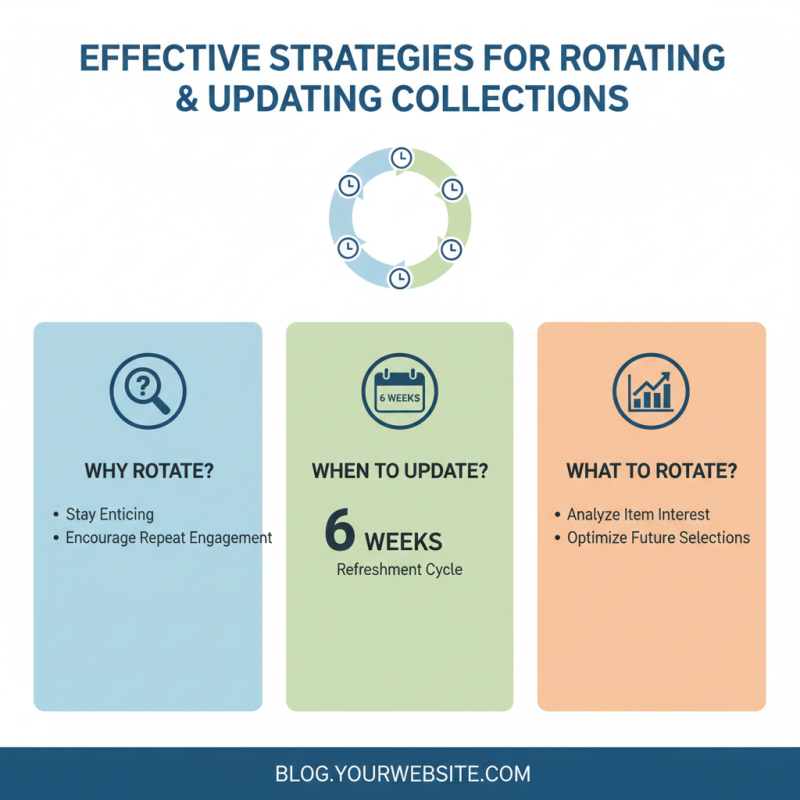
Be aware that perfection isn't always attainable. Regularly update your displays. What works today might not resonate tomorrow. Gathering feedback from visitors is crucial. It provides insights into what people enjoy. Remember, collections reflect evolving narratives. Stay flexible, and keep adapting your approach. Embracing imperfection can lead to more authentic presentations.
Top Tips for Using a Rotating Collection Table Effectively
Best Practices for Engaging Visitors with the Collection Display
Creating an engaging experience with a rotating collection table can greatly enhance visitor interaction. One effective approach is to curate thematic displays that tell a story. For instance, grouping artifacts by historical significance or cultural relevance can captivate visitors. This method makes it easier for them to connect with the items.
Interactive elements can also enrich the experience. Consider adding QR codes for more information or audio guides. This invites visitors to explore further and learn at their own pace. Encourage questions and discussions by placing staff near the display. Visitors appreciate engaging with knowledgeable people who can provide insight into the collection.
It's important to monitor visitor reactions. If certain items attract attention, it might be worth adjusting your display to highlight them. Some collections may not resonate with everyone. Always be ready to switch things up. Evaluate what works, and don't hesitate to try new ideas. An effective display is a living project, full of opportunities for growth and discovery.
Top Tips for Using a Rotating Collection Table Effectively
| Tip Category |
Best Practice |
Expected Outcome |
| Visitor Engagement |
Invite visitors to share their thoughts on exhibits through interactive displays. |
Increased visitor interaction and feedback collection. |
| Display Rotation |
Change the display content every few weeks to keep the collection fresh and interesting. |
Repeat visits by returning guests. |
| Educational Content |
Provide informative labels and QR codes for additional online content. |
Enhanced learning experiences for visitors. |
| Community Involvement |
Encourage local artists to contribute to the collection, showcasing local talent. |
Strengthened community ties and support. |
| Thematic Displays |
Create cohesive themes for the collection to enhance storytelling. |
Improved visitor understanding and connection. |