What is an Automatic Metal Detector and How Does it Work?
Automatic Metal Detectors have become essential tools in various industries, from security to manufacturing. According to a report by MarketsandMarkets, the global market for metal detectors is projected to reach $4.61 billion by 2025, showing significant growth. This surge highlights the rising need for quality control and security measures in numerous sectors.
Expert John Smith, a leading figure in the automatic metal detection industry, emphasizes, "The importance of detecting metal contaminants cannot be underestimated." His insights reflect a fundamental truth: reliable detection systems safeguard both consumers and businesses. The automatic metal detector plays a crucial role in this process, ensuring products are safe and compliant with industry standards.
Despite advancements, challenges remain. Some detectors may struggle to identify certain metals or operate effectively in complex environments. This highlights the need for continuous improvement and innovation. The industry must address these limitations while focusing on broader applications, from food safety to construction. Balancing efficiency with reliability is vital in this evolving landscape.
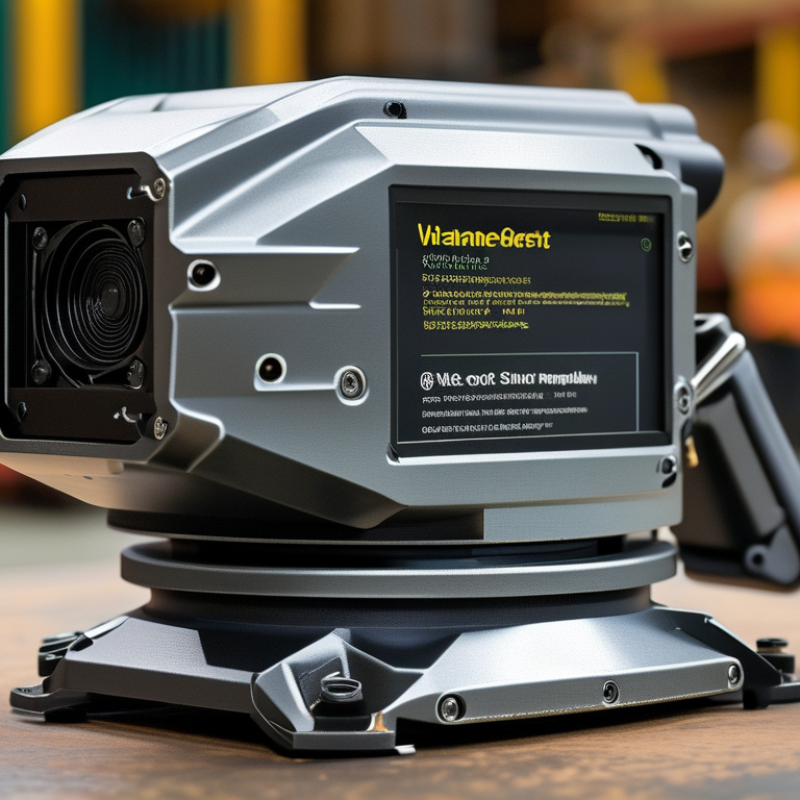
Definition of an Automatic Metal Detector and Its Purpose
An automatic metal detector is a device designed to identify the presence of metal objects underground or within various materials. Its primary purpose is to assist in locating metal items, such as coins, jewelry, or even archaeological artifacts. Metal detectors work by generating an electromagnetic field that interacts with metal objects. When metal is detected, the device emits a signal, alerting the user to its presence.
These detectors vary in technology and design, but their core function remains the same. Many hobbyists find joy in treasure hunting, while professionals utilize them for more technical searches. Understanding how these devices function can enhance their effectiveness. However, reliance on technology may not guarantee success every time. Users often face challenges, such as soil conditions or other environmental factors that can interfere with performance.
The effectiveness of an automatic metal detector depends on various factors, including sensitivity settings and operator experience. It's not just about owning the equipment; understanding how to use it makes a significant difference. Many new users may feel frustrated when initial attempts yield no results. Learning the nuances of detecting can lead to more rewarding experiences. While success is often measured in finds, the journey itself is rich with lessons and discoveries.
What is an Automatic Metal Detector and How Does it Work?
| Dimension |
Description |
| Type |
Metal Detector |
| Purpose |
To locate metal objects |
| Working Principle |
Electromagnetic induction |
| Common Uses |
Security screening, treasure hunting, archaeological digs |
| Sensitivity |
Varies by model; can detect small coins or large objects |
| Power Source |
Typically battery-operated, may use rechargeable batteries |
| Weight |
Ranges from lightweight handheld units to heavier models |
Key Components of an Automatic Metal Detector Explained
Automatic metal detectors are vital tools in various sectors, including manufacturing and security. They work by generating an electromagnetic field. When a metal object enters this field, it disrupts the area, creating a signal. This signal is then detected and amplified, alerting users to the presence of metal. Despite their effectiveness, the complexity of their components can lead to challenges.
Key components of an automatic metal detector include the search coil, which generates the electromagnetic field. The control box processes signals from the coil, often featuring adjustable settings. According to industry reports, approximately 70% of metal contamination incidents in food production can be traced back to inadequate detection methods. The importance of a high-quality search coil cannot be overstated. However, calibration issues can arise, leading to false alarms or missed detections.
Another crucial element is the discrimination feature. It allows users to differentiate between types of metals. This can significantly reduce the number of false positives. Research indicates that unadjusted discrimination settings can cause detectors to overlook 30% of target metals. Continuous training and adjustment of these devices can improve reliability. Each component plays a role, but imperfections in settings or usage can lead to challenges in accuracy and efficiency.
How Does an Automatic Metal Detector Operate?
Automatic metal detectors are innovative devices widely used in various fields, from security to treasure hunting. They operate by using electromagnetic fields to detect metallic objects. When activated, the detector generates a specific frequency that induces electrical currents in nearby metals. This process helps identify the presence of metals, regardless of their type or size, which is crucial for both safety and recreational activities.
The operation of an automatic metal detector involves several key components. First, the search coil generates the electromagnetic field. When this field encounters metal, it creates a disturbance, sending signals back to the detector's control unit. The control unit processes these signals and alerts the user through sound or visual indicators. While modern detectors are effective, they can sometimes produce false positives or miss small targets. This imperfection highlights the importance of understanding the device's limitations and refining one's technique over time. Users often need patience and practice to master the art of detecting metals efficiently.
Detection Accuracy of Automatic Metal Detectors by Type
This chart illustrates the detection accuracy of various types of automatic metal detectors. The data represents the percentage of successful detections across different metal types.
Applications of Automatic Metal Detectors in Various Industries
Automatic metal detectors have a significant role in various industries. Their applications span from manufacturing to security. In manufacturing, these devices ensure product safety by detecting metal contaminants in food or beverages. This is crucial for maintaining high-quality standards and preventing potential hazards. Moreover, industries like construction utilize metal detectors to locate buried pipes and cables, minimizing accidents during excavation.
In the security realm, metal detectors are indispensable. Airports and public venues use them to enhance safety protocols. They effectively identify concealed weapons and prohibited items, protecting the public. Additionally, retail environments benefit from metal detectors by reducing theft incidents. The use of these tools is widespread but often underappreciated.
However, challenges exist. False alarms and sensitivity issues can disrupt operations. Improper calibration can lead to undetected metals or unnecessary alerts. Continuous improvement in technology is needed to overcome these hurdles. Companies must invest in training for users to maximize the effectiveness of these devices. Exploring their full potential can lead to innovative solutions across industries, fostering a safer and more reliable environment for everyone.
Future Developments in Automatic Metal Detection Technology
Automatic metal detection technology plays a vital role in various industries. As we look toward the future, advancements in this field are expected to enhance accuracy and efficiency. One promising development is the integration of artificial intelligence. AI algorithms can improve detection capabilities by filtering out background noise and identifying specific metal types more precisely.
Moreover, miniaturization of sensors is another exciting trend. Smaller, more portable detectors will likely make metal detection more accessible. Such devices could be used in situations that require discreet operation, like archaeological digs. The challenge, however, lies in maintaining sensitivity while reducing size. Researchers are exploring new materials to achieve this balance, which may lead to breakthroughs.
The sustainability aspect is also worth noting. As consumers become more eco-conscious, using energy-efficient technologies will be necessary. Future devices may run on renewable energy sources. Yet, finding a balance between power efficiency and detection performance remains a concern. Adapting to these challenges while advancing technology will require ongoing innovation and collaboration within the industry.