2026 Top Sorting Machine Options for Efficient Organization and Processing?
In the evolving landscape of logistics and manufacturing, sorting machines play a pivotal role. According to industry expert Dr. Jane Smith, "Efficient sorting technology transforms chaos into order." As businesses strive for heightened efficiency, the significance of selecting the right sorting machine cannot be overstated.
Sorting machines enhance productivity by automating the organization of items. They reduce manual errors and speed up processing times. However, businesses must navigate the vast options available. Not all machines are suited for every application. Some may overlook specific features that lead to inefficiency. Identifying these needs is crucial.
Investing in the wrong sorting machine can result in wasted resources. Companies may find themselves with equipment that does not meet their operational demands. Thus, understanding each option’s capabilities is essential. As we explore the top sorting machines for 2026, it's clear that careful consideration will yield the most effective solutions.

Overview of Sorting Machines: Types and Functionality
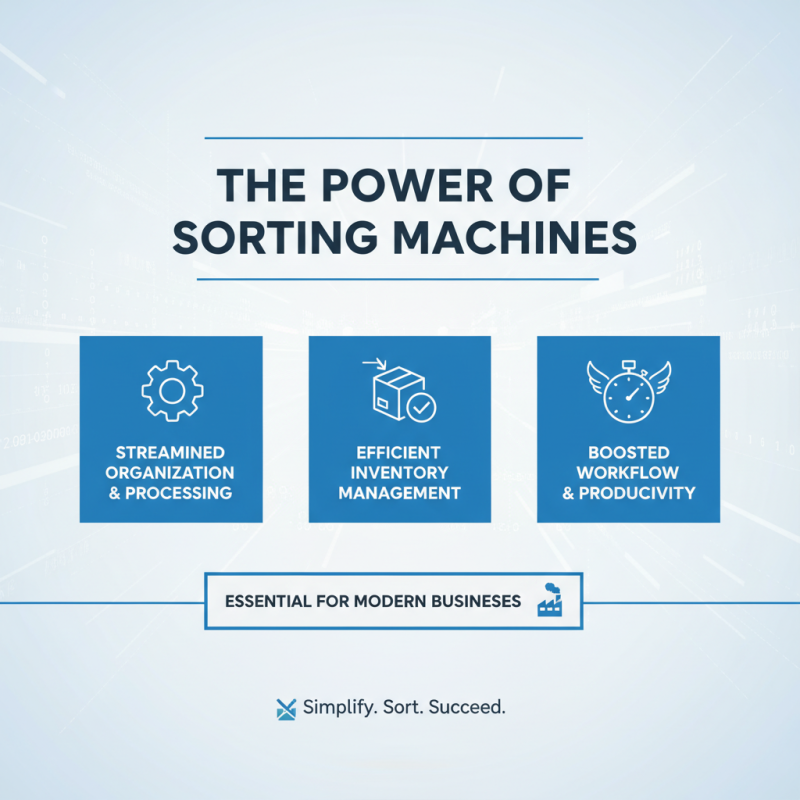
Sorting machines play a crucial role in various industries. They make organization and processing much simpler. Businesses often face challenges in managing their inventory efficiently. This makes sorting machines essential for maintaining workflow and productivity.
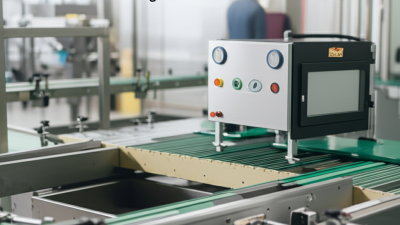
There are different types of sorting machines available. For example, some machines use advanced technology for scanning and sorting items based on size or weight. Other machines focus on color recognition or material type. Each type serves a unique purpose, but their goal is similar: to optimize efficiency. However, the choice of machine can be overwhelming. Companies need to evaluate specific requirements and product characteristics before making a decision.
While sorting machines are essential, they are not without flaws. Maintenance can be a significant concern. Malfunctions may lead to delays, affecting overall performance. Additionally, some users may not fully utilize the machine's capabilities. This underlines the need for proper training and regular assessments. Users must consistently reflect on their practices to ensure they maximize the benefits of their sorting equipment.
Key Features to Consider When Choosing a Sorting Machine
When selecting a sorting machine, it’s crucial to consider key features that can enhance efficiency. One vital aspect is sorting speed. Machines that can handle high volumes without sacrificing accuracy are invaluable. Recent industry reports indicate that efficient sorting can improve processing time by up to 30%. This is especially beneficial for businesses processing large quantities of items daily.
Another important feature is the versatility of the machine. It should easily handle various sizes and types of items. Flexibility allows businesses to adapt to changing needs without investing in additional equipment. In the ever-evolving market, having a sorting machine that can grow with your business is a major advantage.
Tip: Check for machines with adjustable settings to cater to different sorting requirements.
Maintenance and user-friendliness are also essential. If a sorting machine requires constant upkeep, it can lead to downtime. Ease of use can reduce training time for employees. Many reports highlight that up to 15% of productivity is lost due to machine-related complications.
Tip: Evaluate maintenance records and user reviews before purchasing.
In the end, it’s vital to reflect on your specific needs. Not every sorting machine will fit every business. Take time to analyze operational requirements before making a decision.
Top Sorting Machine Brands and Their Unique Offerings
In the realm of sorting machines, various brands compete to offer exceptional solutions. Each brand brings unique features that cater to specific organizational needs. Some focus on speed, while others prioritize precision. Users often have mixed experiences based on their applications.
One remarkable offering is a machine that excels in versatility. It can handle different materials effortlessly. However, some users note that the calibration process might be cumbersome. Attention to detail often becomes crucial to maximize efficiency.
Another machine stands out for its compact design, ideal for smaller spaces. Yet, it has limitations in processing larger quantities. This balance between space and capability can be a point of frustration for many operators.
The technology used in sorting machines is constantly evolving. Brands are experimenting with smarter automated systems. While automation can enhance speed, it sometimes leads to unexpected errors. A committed team must be in place to troubleshoot these issues promptly.
Finding the right sorting machine involves weighing various factors, such as capacity and usability. Each brand's unique offerings can meet different organizational goals, but one must reflect on their specific needs before making a choice.
Comparative Analysis of Sorting Machines for Different Industries
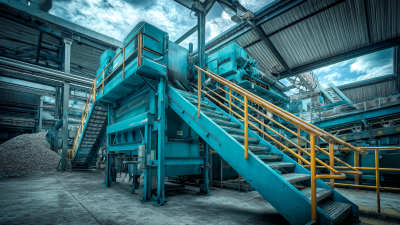
Sorting machines play a vital role across various industries. Each sector has its unique requirements. Understanding these needs helps select the right machine. For example, the food industry often prioritizes hygiene. Machines must be easy to clean. Conversely, the recycling industry needs robust machinery. Efficiency is critical here.
When evaluating sorting machines, consider the processing speed. Faster machines can boost productivity. However, speed should not compromise accuracy. It's essential to balance these factors. Furthermore, look into the machine's adaptability. Can it handle different materials? This flexibility can save costs in the long run.
Tips: Always assess the space requirements for installing the machine. Measure your workspace carefully. Also, consider user-friendliness. Complex machines can lead to errors. Employees may struggle to use them effectively. Conduct training sessions for better efficiency. Here, small details matter a lot.
Future Trends in Sorting Machine Technology and Efficiency
The future of sorting machine technology is bright, driven by advancements in automation and AI. According to recent industry reports, machine efficiency can boost organizational throughput by up to 30%. This statistic highlights the critical role of innovation in sorting processes. Efficient machines are set to revolutionize how goods are managed in warehouses and distribution centers.
As companies strive for smarter operations, flexibility also becomes essential. Advanced sorting machines can adapt to different product types and sizes. This adaptability is crucial, especially in sectors with rapidly changing inventories. Moreover, integrating AI enables machines to learn from previous sorting tasks, increasing accuracy over time. However, users must remain vigilant. Over-reliance on technology without periodic audits could lead to missed errors in sorting, which might undermine efficiency.
**Tips:** Regular maintenance is vital. Schedule inspections at least quarterly. Monitor sorting accuracy closely. Even minor errors can snowball. Diversify sorting methods to handle various products effectively. Flexibility should not only be a goal; it should be a practice.
2026 Top Sorting Machine Options for Efficient Organization and Processing
| Model |
Capacity (items/hour) |
Type |
Technology |
Efficiency (%) |
| Model A |
1500 |
Automated |
AI-Driven |
95 |
| Model B |
2000 |
Semi-Automated |
Vision Systems |
90 |
| Model C |
2500 |
Fully Automated |
Robotics |
92 |
| Model D |
3000 |
Automated |
Machine Learning |
94 |
| Model E |
1800 |
Manual |
Standard |
85 |