Top 10 Mandarin Sorting Machines in China What Are the Best Options?
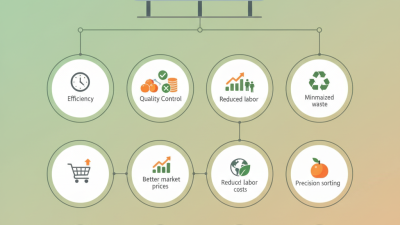
In the rapidly evolving agricultural sector, the role of Mandarin Sorting Machines has gained immense significance. John Li, a renowned expert in agricultural technology, emphasizes, “Efficiency in sorting leads to better quality control in mandarin production.” As farmers face increasing challenges in meeting quality standards, choosing the right sorting equipment becomes crucial.
Mandarin Sorting Machines play a vital role in ensuring that only the best fruit reaches consumers. This technology not only boosts productivity but also addresses concerns about labor shortages. However, the options available can be overwhelming. Each machine offers distinct features that may or may not suit specific needs.
While advancements in sorting technology are promising, they also raise questions. Are these machines reliable? Do they always deliver consistent results? Farmers must consider their unique requirements and budget constraints. This ongoing reflection is essential for selecting the best Mandarin Sorting Machine tailored to their operations.
Overview of Mandarin Sorting Machines in China
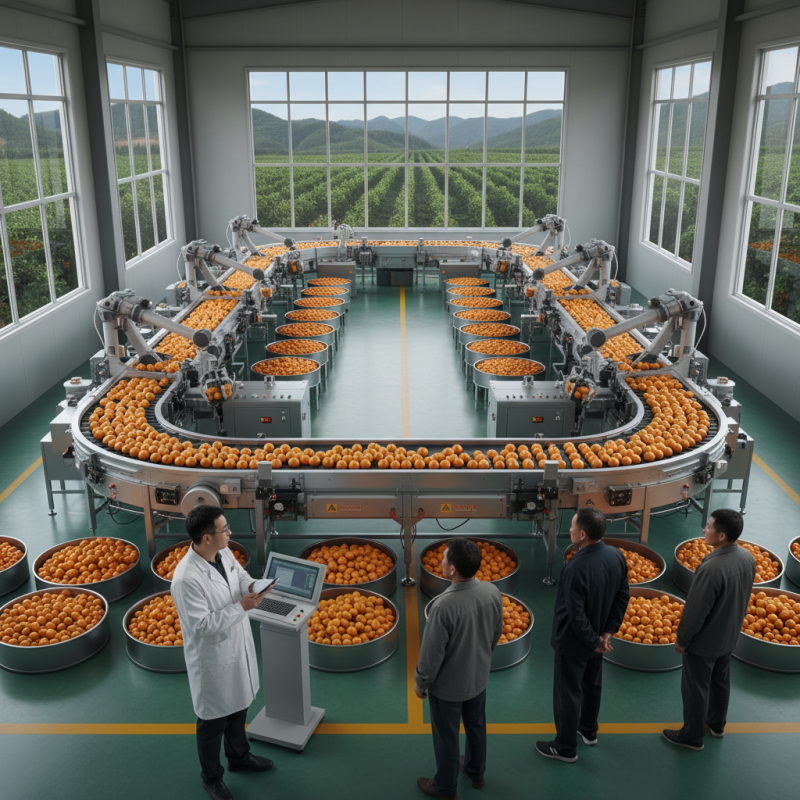
Mandarin sorting machines play a crucial role in China's fruit industry. These machines increase efficiency in sorting mandarins based on size, quality, and color. The process ensures high-quality fruit reaches consumers. However, choosing the right sorting machine can be challenging for producers.
Several factors come into play. Speed is essential, but so is accuracy. Many machines offer various sorting criteria, which can overwhelm new users. An operator might struggle initially to find the best settings. Ease of use is vital here. Some machines have complicated interfaces that require training. This can lead to downtime, impacting the entire operation.
Cost is another consideration. High-end machines promise superior performance but might not fit every budget. Some producers may opt for less expensive options, only to find them lacking in efficiency or accuracy. It’s essential to weigh the long-term benefits against the initial investment. Additionally, maintenance should not be overlooked. Regular upkeep ensures machines run smoothly and extends their lifespan, but not all operators are prepared for this responsibility.
Criteria for Evaluating the Best Mandarin Sorting Machines
When evaluating the best mandarin sorting machines, several key criteria come into play. One crucial factor is sorting accuracy. Advanced machines can achieve an accuracy rate of over 95%. This is vital for ensuring high-quality products reach consumers. The technology used in these machines often includes optical sensors and algorithms that help recognize size, color, and defects. A study from the China Food Processing Industry Association indicates that improved sorting technology can increase yield by 15% in mandarin production.
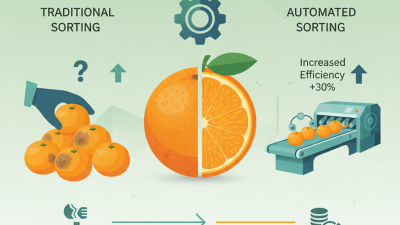
Maintenance requirements also matter significantly. Machines that are easy to clean and service tend to have longer operational lifespans. Reports show that downtime for repairs can lead to significant losses, sometimes up to 20% of total output. Additionally, energy efficiency is a growing concern. The best machines today consume 30% less power than older models, creating both cost savings and environmental benefits.
It's essential to consider the flexibility of the sorting machines too. The demand for different sizes and varieties of mandarins can vary. Machines that can adapt to these needs without extensive reconfiguration make a more appealing option. Still, not every system can offer this level of adaptability. Identifying machines that successfully balance these varying requirements provides a pathway toward optimal sorting efficiency in the competitive market.
Top 10 Mandarin Sorting Machines: Features and Specifications
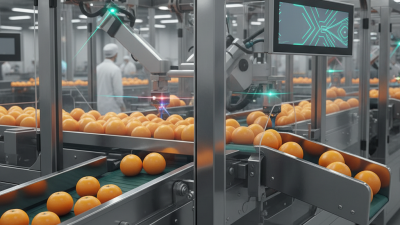
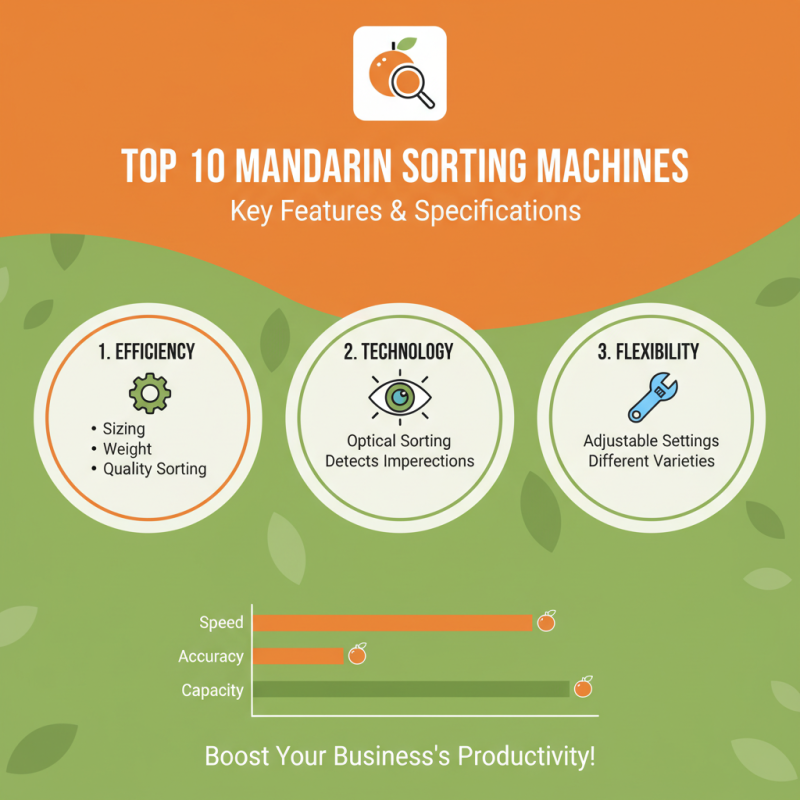
When it comes to sorting mandarins, efficiency is key. Choosing the right machine can significantly impact a business's productivity. Various models offer unique features, making selection crucial. Most machines focus on sizing, weight, and quality. They often feature adjustable settings for different mandarin varieties. The best machines employ optical sorting technology to detect imperfections. This ensures only the finest fruits reach the market.
Another essential specification to consider is throughput capacity. Some machines can handle thousands of mandarins per hour. This includes conveyor systems that minimize manual labor. Moreover, user-friendly interfaces can help operators adjust settings easily. However, the complexity of these machines can pose a challenge for new users. Understanding each feature requires time and training.
Maintenance is an often-overlooked aspect. Regular cleaning and calibration are necessary to maintain performance. Neglecting these can lead to errors in sorting. Additionally, energy consumption varies among models. Some options may be less efficient, leading to higher operational costs. Reflecting on these details highlights the importance of choosing wisely. Selecting a mandarin sorting machine is not just about features; it's about finding a machine that fits your specific needs and capabilities.
Market Leaders: Brands Dominating Mandarin Sorting Machines
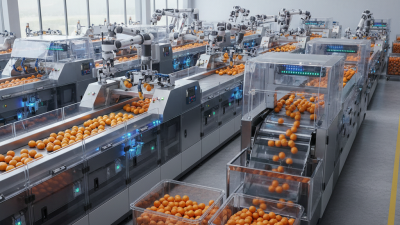
Mandarin sorting machines play a critical role in the fruit industry. These machines ensure that only the best mandarins make it to consumers. Several brands lead the market, implementing advanced technology for efficiency. They have created machines that reduce sorting time significantly. This development caters to the growing demand for high-quality fruit.
However, even with technological advancements, there are challenges. Some machines struggle with subtle differences in mandarin sizes. This inconsistency can lead to misclassification. Furthermore, the maintenance of these machines requires skilled personnel, which can be hard to find in certain regions. Regular training is essential yet often overlooked.
Investing in a high-quality sorting machine can boost profit margins. But it’s crucial to assess specific operational needs before making a purchase. Not all machines fit every scenario. Some may lack features vital for certain types of mandarins. Reflecting on these factors can lead to better business outcomes and ultimately improve consumer satisfaction.
Top 10 Mandarin Sorting Machines Performance Comparison
Future Trends in Mandarin Sorting Technology and Innovation
In recent years, mandarin sorting technology has undergone significant changes. These advancements are transforming how fruits are sorted and packaged. Innovations in artificial intelligence and machine learning are becoming more common. They help increase efficiency and accuracy in sorting. For instance, machines can now identify ripeness based on color and texture.
Moreover, automation is expected to play a crucial role. Companies aim to develop machines that require less human intervention. This could lead to cost savings but may also pose challenges. A workforce reduction might create social issues. Improving durability and maintenance of these machines is another concern. Manufacturers face the task of ensuring machines can withstand varying conditions.
The future of mandarin sorting technology also includes more eco-friendly options. Sustainable practices are increasingly vital in agriculture. Machines that reduce waste and use less energy are in demand. As these changes happen, continuous improvement is essential. The goal is to meet the industry's evolving needs without compromising quality.
Top 10 Mandarin Sorting Machines in China
| Model |
Weight Capacity (kg) |
Sorting Speed (fruits/min) |
Accuracy (%) |
Technology |
| Model A |
1000 |
250 |
98 |
AI & Vision |
| Model B |
1200 |
300 |
95 |
Laser Sorting |
| Model C |
800 |
200 |
97 |
Machine Learning |
| Model D |
950 |
275 |
99 |
Optical Recognition |
| Model E |
1100 |
320 |
96 |
Smart Sensor |
| Model F |
1050 |
290 |
94 |
Image Processing |
| Model G |
900 |
260 |
99.5 |
Neural Network |
| Model H |
1150 |
330 |
95 |
Sorting Algorithms |
| Model I |
1250 |
310 |
97.8 |
Combined Technology |
| Model J |
850 |
240 |
98.5 |
Advanced Analytics |