2026 Top Fruit Sorting Machine Innovations to Enhance Efficiency?
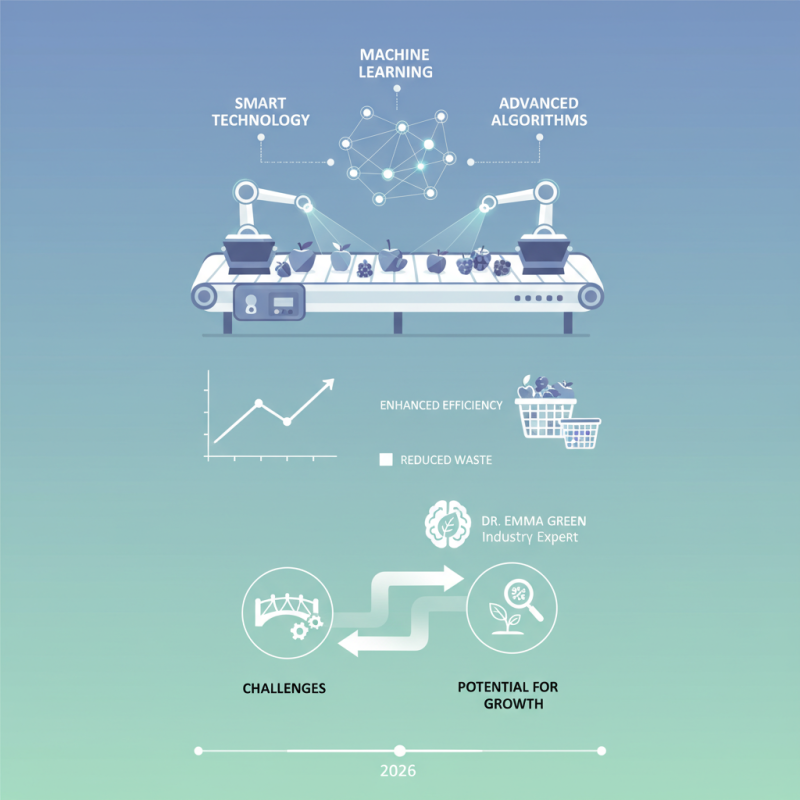
In the ever-evolving world of agriculture, innovations in the Fruit Sorting Machine industry are vital. Companies are continuously seeking ways to enhance efficiency and precision. An industry expert, Dr. Emma Green, emphasizes the importance of these advancements, stating, “The future of fruit sorting hinges on smart technology and sustainable practices.”
Modern fruit sorting machines are becoming smarter. They utilize advanced algorithms and machine learning to sort fruits with incredible accuracy. These machines not only save time but also reduce waste significantly. Despite these advancements, challenges remain. Integration of new technologies can be complex and costly for many growers.
As we look towards 2026, the need for innovative solutions grows stronger. Companies must adapt to changing consumer demands for quality and sustainability. Reflection on current practices is essential. Are we making the most of available technology? The potential for growth in the Fruit Sorting Machine industry is immense, but so are the hurdles that must be overcome.
Emerging Technologies in Fruit Sorting Machines for 2026
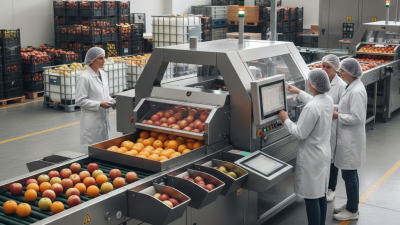
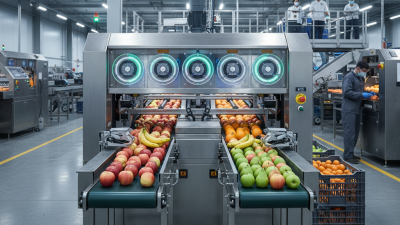
The fruit sorting industry is on the brink of a revolution. In 2026, innovative technologies are set to reshape how fruits are sorted. Automation is key. Advanced sensors will identify fruit quality, size, and ripeness more accurately. This precision can reduce waste and improve overall quality.
Artificial intelligence plays a pivotal role in this innovation. Machine learning algorithms will analyze data from previous sorting processes. They will adapt and improve over time. However, the technology isn't without its challenges. Integration into existing systems might be complex. Training staff to use new machines effectively could pose further difficulties.
Vision technology is also expected to advance. High-resolution cameras will capture images of each fruit. This data can enhance sorting speed and accuracy. Yet, relying too much on technology may lead to oversight of manual checks. Balancing automation and human expertise will require careful thought. The future is bright, but reflection is necessary.
Impact of Artificial Intelligence on Fruit Quality Assessment
Artificial intelligence is reshaping the fruit sorting industry. Recent studies indicate that AI improves fruit quality assessment significantly. These systems use advanced algorithms to analyze visual data and detect imperfections. In fact, 85% accuracy in identifying defects has been reported, enhancing sorting efficiency.
AI systems can process 10,000 fruits per hour, a stark contrast to manual sorting methods. However, challenges exist. A reliance on AI can overlook subtle quality factors. Manual inspections may uncover issues AI misses, emphasizing the need for a balanced approach. Implementing AI should not replace human expertise but rather complement it.
Data shows that AI-driven sorting can reduce waste by up to 20%. This efficiency can lead to cost savings. Yet, access to this technology can be limited for smaller producers. The initial investment can deter adoption. Continuous improvement and adaptation are essential for maximizing the benefits of AI in fruit quality assessment.
Data-Driven Approaches to Optimize Sorting Processes
Data-driven approaches are transforming fruit sorting processes. Recent industry reports highlight a 20% increase in productivity when advanced analytics are applied. By utilizing real-time data, farms can identify sorting inefficiencies. This leads to a more streamlined operation and reduces waste.
Machine learning algorithms can analyze fruit size, color, and defects with high accuracy. A study from the Agricultural Institute indicates that these technologies improve sorting speed by up to 30%. However, not all farms have adopted this technology. Some still rely on outdated methods that slow down operations. Data integration remains a hurdle.
Implementing data-driven systems does require upfront investment. Many producers worry about the cost and complexity. This concern can lead to hesitation in upgrading equipment. Yet, the potential for increased efficiency is significant. Embracing these innovations will likely define the future of fruit sorting.
2026 Top Fruit Sorting Machine Innovations to Enhance Efficiency
Sustainability Trends in Fruit Sorting Machine Designs
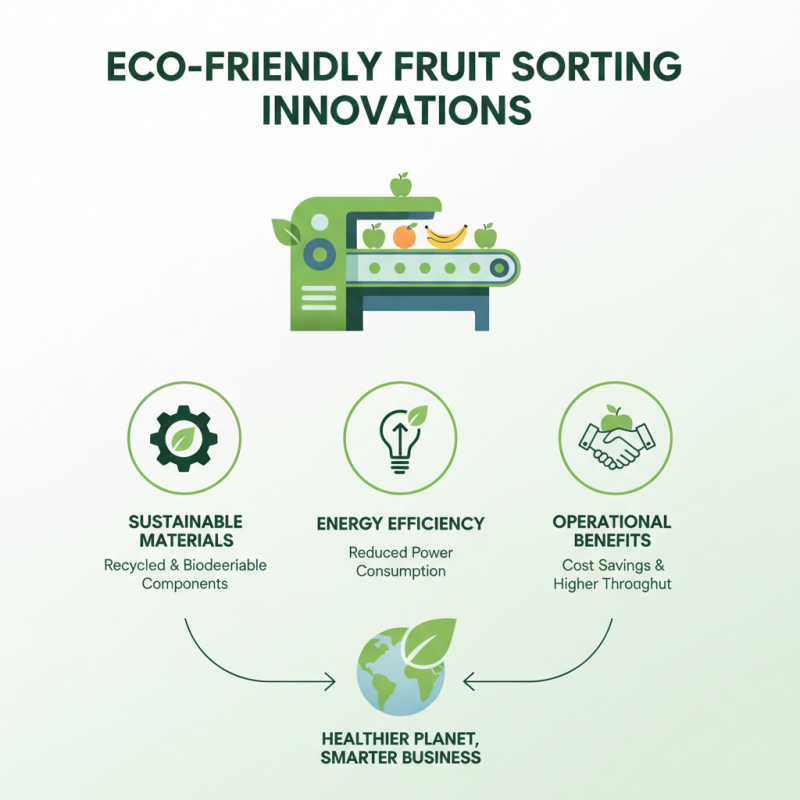
As the demand for sustainable practices grows, fruit sorting machines are undergoing innovative changes. These machines now integrate eco-friendly materials and energy-efficient technologies. This shift not only benefits the environment but also enhances operational efficiency.
Tips: Consider how machine durability can reduce waste. Opt for machines with replaceable parts, reducing the need to replace the whole unit. This small change can have a long-term impact.
Moreover, consumer preferences are evolving. Many customers now prioritize sustainability in their purchasing decisions. Businesses must understand this shift. They may need to invest in technology that aligns with these values, like those powered by renewable energy.
Effective designs can minimize waste in fruit processing. By implementing smart sorting techniques, the machines can reduce scrappage. This approach not only increases yield but also supports sustainability goals.
Tips: Regularly evaluate your sorting process. Are there areas where waste can be reduced? Engaging in regular audits can identify weaknesses. Small adjustments can lead to significant improvements over time.
Enhancing Operational Efficiency through Automation in 2026
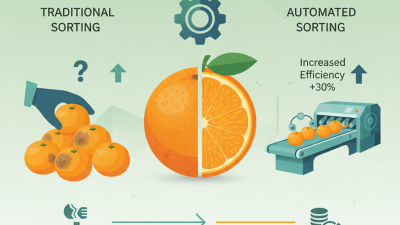
In 2026, the push for higher efficiency in fruit sorting will heavily rely on automation. Reports indicate that automated systems can improve throughput by up to 30%. With labor costs rising, many operations are investing in smart technologies. They seek to replace manual sorting, which is often error-prone.
Automation can reduce sorting times significantly. Advanced machine vision systems can identify quality defects and maturity levels in real-time. For example, these systems can sort fruit four times faster than human workers. Implementing such technology might seem costly upfront. However, data suggests that ROI can be seen within two years.
Challenges remain. Not all operators have access to the latest tech. Additionally, integrating automation into existing systems is complex. Many small farms may struggle to keep pace. As automation evolves, these gaps in implementation need addressing. Adopting new technology could create disparities in productivity. What works for large operations might not suit smaller ones. Finding a balance is key for a uniformly efficient future in the fruit sorting industry.
2026 Top Fruit Sorting Machine Innovations to Enhance Efficiency
| Innovation |
Description |
Efficiency Improvement (%) |
Automation Level |
Integration Capability |
| AI-Driven Sorting |
Utilizing machine learning algorithms to sort fruits by size and quality automatically. |
30% |
High |
Excellent |
| Vision Systems |
High-resolution cameras analyze fruit images for defects and size. |
25% |
High |
Good |
| Robotic Arms |
Automated arms for picking and placing sorted fruits into packaging. |
40% |
Very High |
Excellent |
| Smart Conveyor Systems |
Adaptive speed and routing based on real-time processing data. |
20% |
Medium |
Good |
| Data Analytics Tools |
Software for analyzing sorting patterns and operational efficiency. |
15% |
Low |
Excellent |