2026 Top Chicken Sorting Machine Features Buyers Must Know?
In the rapidly evolving poultry industry, understanding the features of a Chicken Sorting Machine is crucial for buyers. Dr. Emily Turner, a leading expert in poultry processing technology, emphasizes, “Investing in the right sorting equipment can significantly enhance efficiency.” As producers aim to optimize production, the features of these machines take center stage.
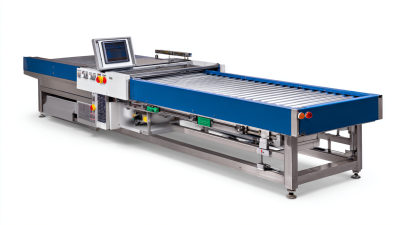
The key capabilities of Chicken Sorting Machines include accuracy, speed, and adaptability. Buyers must know how advanced sensors improve sorting precision. This technology can sort chicken by size and weight, reducing errors and waste. Recognizing machine specifications helps buyers make informed decisions. Yet, many still overlook essential details, such as maintenance requirements and software updates.
Selecting the right Chicken Sorting Machine can be daunting. Not every model fits every operation. Buyers must balance cost against efficiency gains. Reflecting on industry experiences reveals that not all machines live up to their promises. Attention to critical features leads to better investments. Each detail counts in achieving processing excellence.

Top Features of Chicken Sorting Machines for Efficient Processing
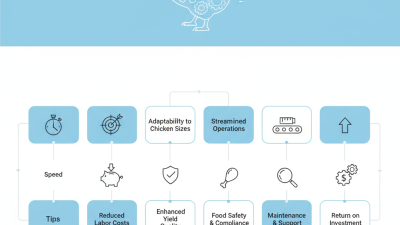
When considering chicken sorting machines, several key features are essential for boosting processing efficiency. Speed and accuracy are paramount. Machines that can sort chicken by size and weight dramatically reduce labor costs and increase throughput. A recent industry report indicates that advanced sorting technology can improve productivity by over 30%.
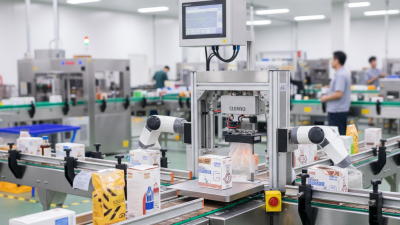
Another vital aspect is automation. Many modern machines utilize artificial intelligence to enhance sorting precision. This reduces human error and ensures consistent quality. A reliable sorting machine should also be easy to maintain, with parts readily available for quick repairs. Frequent machine downtime can lead to significant financial loss.
**Tip:** Regular training for staff on machine operation improves overall efficiency. Even the best machines can falter without proper handling.
Additionally, energy efficiency is becoming increasingly important. With rising energy costs, machines that consume less power while maintaining performance will save long-term costs. Thus, buyers should look for machines that meet energy-saving standards.
**Tip:** Keep an eye on the latest trends and continuous updates in technology. Industry improvements can lead to better options for your processing needs. This is crucial for staying competitive.
Importance of Sorting Accuracy in Poultry Production: Key Statistics
Sorting accuracy plays a crucial role in poultry production, impacting both quality and efficiency. According to recent industry reports, nearly 30% of poultry production losses can be traced back to improper sorting. This inefficiency not only affects the manufacturer's bottom line but also compromises the end product's quality. Accurate sorting ensures that the right size and grade of poultry reach consumers, maintaining satisfaction and trust.
Recent data indicates that accurate sorting can increase production efficiency by up to 20%. When sorting machines operate effectively, they reduce labor costs and human error. However, many producers still struggle with outdated technology. In fact, about 25% of poultry processors rely on manual sorting processes. This inconsistency not only slows down operations but also increases the risk of contamination and spoilage.
Investing in high-quality sorting machines is crucial. Advanced technology not only improves precision but also enhances overall production. A report by industry experts highlights that adopting automation can lead to significant reductions in waste, potentially saving processors thousands of dollars annually. As the poultry market grows, understanding the importance of sorting accuracy becomes essential for success.
Technological Advances in Chicken Sorting Machines for 2026
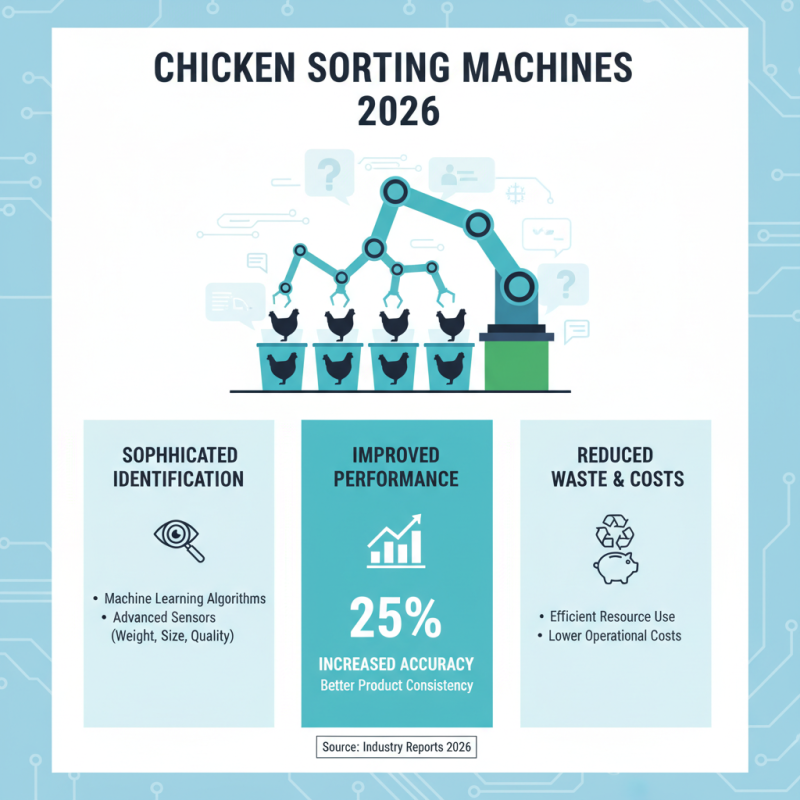
The evolution of chicken sorting machines by 2026 reflects significant technological advances. Identification and classification technologies are becoming more sophisticated. For instance, machine learning algorithms now streamline sorting based on weight, size, and quality. Industry reports show that the incorporation of such technology can increase sorting accuracy by up to 25%. This means better product consistency and reduced waste.
Modern machines utilize advanced imaging systems. These systems employ high-resolution cameras and sensors to capture real-time data. As a result, defects can be detected swiftly and efficiently. A report from the Food Processing Technology Association indicates that automation increases processing plant productivity by up to 30%. Investing in such technology is essential for future growth.
**Tip:** When choosing a sorting machine, consider not only the initial investment but also the long-term efficiency and savings. Prioritize models that offer scalability for future technological developments. Reflecting on operational needs can help in making better choices.
Cost-Benefit Analysis of Investing in Modern Sorting Equipment
Investing in modern chicken sorting equipment can significantly enhance operational efficiency. A detailed cost-benefit analysis reveals the financial advantages. Consider the initial investment against long-term savings. Upgrading your sorting machinery can reduce labor costs and improve accuracy. This ultimately leads to higher product quality.
Tips for selecting suitable equipment include assessing your production scale and needs. Smaller operations may find entry-level machines sufficient, while larger processors require advanced systems. Look for machines that offer flexibility with different types of poultry. Compatibility with existing systems is critical.
The costs of maintenance and training should not be overlooked. Regular maintenance is vital for optimal operation. Many users underestimate the time needed for staff training. Ensuring your team understands the technology is crucial. This minimizes errors and increases productivity. Balancing these factors helps in making an informed investment decision.
Industry Standards and Compliance Requirements for Chicken Sorting Machines
When considering chicken sorting machines, it's vital to understand the industry standards and compliance requirements. These machines must adhere to safety and sanitation regulations. The U.S. Department of Agriculture (USDA) outlines specific guidelines to ensure food safety. Machines should be designed to minimize the risk of contamination during sorting. Adhering to these standards protects consumers and enhances operational efficiency.
Regular maintenance checks are crucial for compliance. Equipment must be regularly calibrated to ensure accuracy in sorting. Any malfunction can lead to product liability issues. Keep records of maintenance schedules and inspections. This practice not only fosters accountability but also ensures machines operate effectively.
Tips: Invest in training for staff. Properly trained employees make fewer mistakes. Understanding the machine's operation reduces risks. Ensure all staff are aware of compliance standards. Regular workshops can keep everyone updated. Striking the right balance between efficiency and compliance is essential. Reflect on past performance; seek improvement in sorting processes.