Top 10 Checkweighing Machines to Improve Your Production Efficiency?
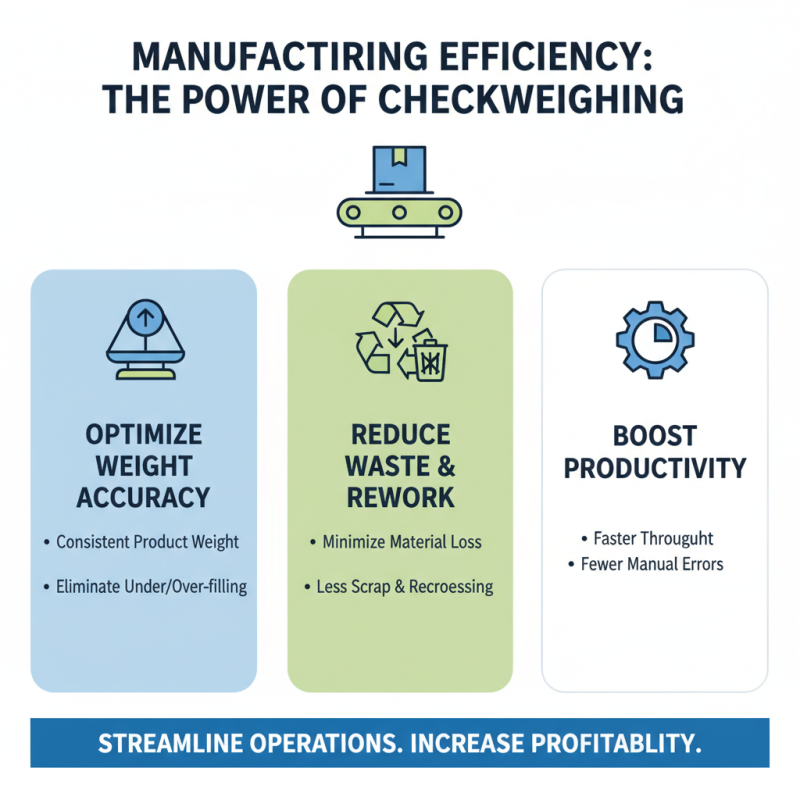
In today's fast-paced production environment, efficiency is crucial. A Checkweighing Machine can significantly optimize operations. It ensures that products meet weight specifications, reducing waste and increasing profit margins.
However, not all checkweighers are created equal. The right choice may not be obvious. Some machines may struggle with speed and accuracy. Others might require frequent calibration, leading to downtime. Identifying the ideal machine involves careful evaluation.
Improving production efficiency is vital, but it can come with challenges. The integration of a checkweighing system can reveal hidden inefficiencies. Reflecting on these issues can drive improvement and innovation. A good checkweighing machine is more than just a tool; it’s an investment in the future.
Top 10 Checkweighing Machines to Enhance Production Efficiency
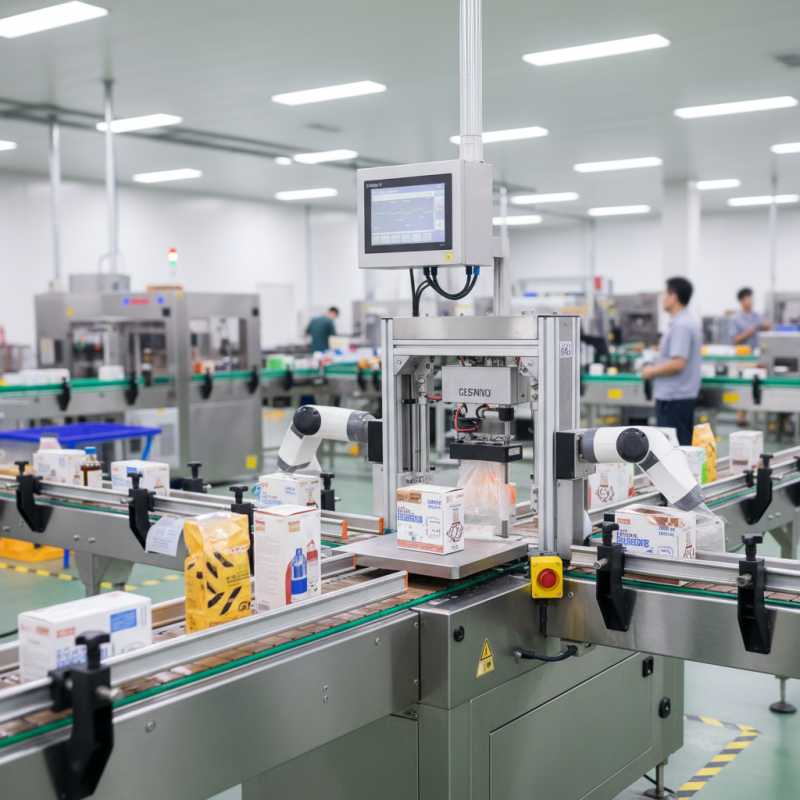
In today’s fast-paced manufacturing environment, maximizing production efficiency is crucial. Checkweighing machines play a vital role in achieving this goal. These machines ensure that products meet weight specifications, reducing waste and minimizing errors. Implementing the right checkweighing solution can streamline operations significantly.
Many industries, like food and pharmaceuticals, find these machines indispensable. They help maintain quality control by verifying package weights at high speeds. However, not all machines are equal. Some may fail to accurately detect slight weight variations, causing issues in production. Regular testing and calibration are essential to maintain accuracy.
Investing in the right checkweighing technology can yield substantial benefits. Enhanced efficiency leads to lower operational costs. But, it’s important to analyze specific production needs before selecting equipment. Gear more towards machines that offer flexibility and adaptability. Otherwise, you risk stagnation in your production line. The journey to efficiency is ongoing and requires constant reassessment.
Understanding the Importance of Checkweighing in Manufacturing Processes
Checkweighing plays a crucial role in modern manufacturing processes. It ensures that products meet weight specifications before they reach consumers. This improves product quality and reduces waste. Accurate weight measurement helps maintain compliance with industry standards.
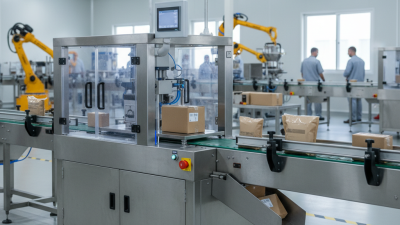
There are machines designed for various production environments. Each serves a unique purpose, depending on the product type and packaging.
Implementing checkweighing can reveal inefficiencies in production lines. Many find that equipment may not always deliver precise results. This inconsistency can lead to rejected products or overfilled packages. Re-evaluating the setup and calibration of weighing machines is essential. Many companies overlook this aspect. Regular maintenance and adjustments can significantly enhance performance.
Investing in checkweighing technology may seem costly initially. However, the long-term benefits often outweigh these startup costs. Accurate measurements can lead to better customer satisfaction. Happy customers are likely to return. Yet, some facilities resist change. They may rely on outdated practices. Over time, this resistance can hinder efficiency and profit. Embracing innovation is vital for staying competitive.
Key Features to Consider When Selecting a Checkweighing Machine
When selecting a checkweighing machine, consider its accuracy. Precision is crucial for identifying discrepancies in product weight. A machine with a tolerance of +/- 0.1 grams can significantly enhance your quality control. Also, look for speed. Can it process items quickly? A checkweigher that handles 100 items per minute may be ideal for high-volume production.
Another important aspect is user interface. A machine should be easy to operate. Simple controls help reduce training time for operators. Some machines offer touchscreen displays, while others use buttons. Ease of use can enhance efficiency. Pay attention to integration capabilities. Checkweighers need to fit seamlessly into your existing production line. If it requires extensive modifications, it may not be suitable.
Think about maintenance. Some machines require more upkeep than others. Regular calibrations can be a hassle. It's essential to choose a machine that strikes a good balance between reliability and upkeep. Finally, reflect on the machine’s data reporting. Effective tracking can reveal trends. It aids in making informed decisions. With the right features, a checkweighing machine can truly boost production efficiency.
Top 10 Checkweighing Machines to Improve Your Production Efficiency
Comparative Analysis of the Leading Checkweighing Machines
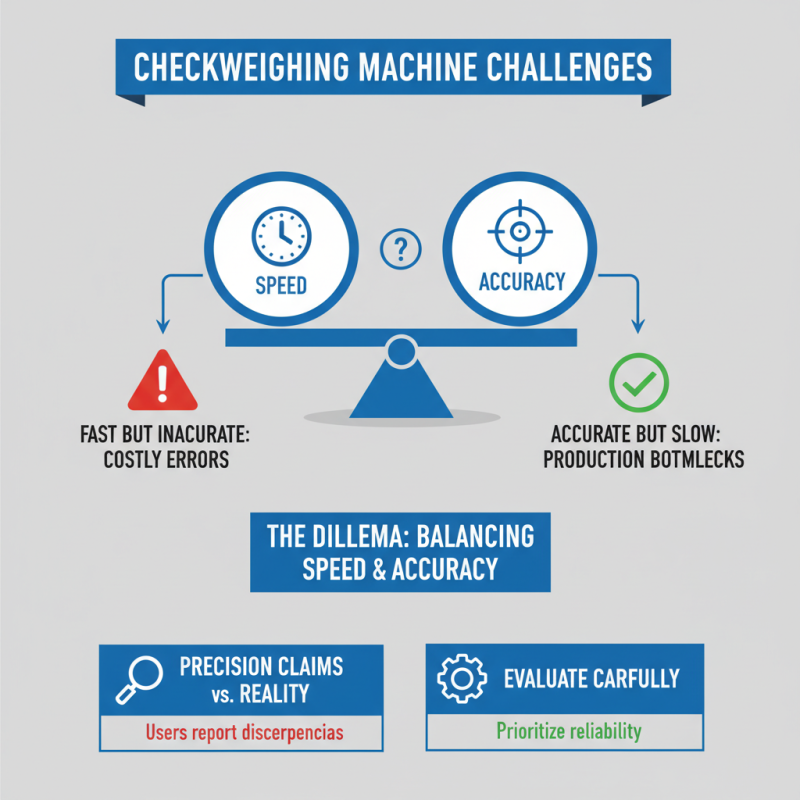
When evaluating checkweighing machines, accuracy is paramount. Many models boast precision in weight measurement, but users often find discrepancies in real-world applications. Balancing speed and accuracy can be a challenge. Some machines might process items quickly, but sacrificing precision can lead to costly errors.
Productivity also hinges on ease of use. A user-friendly interface can save time during operation. However, some machines come with complex settings that confuse operators. This complexity can lead to operational delays. Moreover, maintenance plays a role in efficiency. Regular upkeep is necessary for optimal performance. Neglecting maintenance may result in unexpected breakdowns.
Integration with existing systems is another critical factor. Devices that sync with inventory management can enhance workflow. Yet, compatibility issues frequently arise. This can cause disruptions that affect production efficiency. Furthermore, operators may find that training time varies with different models. A machine that looks great on paper may not perform well under practical conditions.
Real-World Applications of Checkweighing Machines in Various Industries
Checkweighing machines play a crucial role in various industries. Their use in food manufacturing highlights how precision impacts safety and quality. In packaging lines, these machines ensure each item meets weight standards. This helps reduce waste and prevent recalls, but it requires constant calibration. Over time, even small errors can lead to larger issues.
In pharmaceuticals, accuracy is vital. Checkweighers help ensure the correct dosage in every package. However, there's always potential for human errors during setup or monitoring. A miscalculation can have serious consequences. Industries must continuously train staff to use these machines effectively. This training often uncovers areas needing improvement, highlighting the importance of ongoing education.
Checkweighing also finds applications in e-commerce fulfillment. As demand grows, accurate weight measurement ensures shipping costs are correct. Mistakes can lead to unhappy customers and lost revenue. Implementing these machines can streamline operations. Yet, businesses must carefully assess their integration into existing systems. Regular audits of checkweighing processes can reveal gaps, offering opportunities for enhancement.
Top 10 Checkweighing Machines to Improve Your Production Efficiency
| Machine Model |
Industry |
Weighing Capacity (kg) |
Accuracy |
Features |
| Model A |
Food Processing |
15 |
± 0.5g |
IP65 Rating, Touchscreen |
| Model B |
Cosmetics |
10 |
± 0.3g |
Automatic Calibration, Data Logging |
| Model C |
Pharmaceutical |
20 |
± 0.2g |
Integration with ERP Systems |
| Model D |
Beverage |
25 |
± 0.4g |
High-Speed Operation, User-Friendly Interface |
| Model E |
Chemicals |
30 |
± 0.5g |
Explosion Proof Design, Remote Monitoring |
| Model F |
Textiles |
12 |
± 0.2g |
Compact Design, Easy Maintenance |
| Model G |
Electronics |
8 |
± 0.1g |
High Precision Load Cells |
| Model H |
Agriculture |
50 |
± 1g |
Rugged Construction, Field Use |
| Model I |
Logistics |
100 |
± 2g |
Continuous Weight Monitoring, Integration with Sorting Systems |
| Model J |
Construction |
75 |
± 3g |
Heavy Duty, Load Display |