Top 10 Sorting Machines What You Need to Know?
Sorting machines are essential in modern industries. They efficiently organize items, improving productivity and accuracy. Research indicates that the global sorting machine market is expected to reach $7 billion by 2025, growing steadily. This growth reflects industries’ increasing reliance on automation.
Many businesses overlook key factors when selecting sorting machines. Not all machines fit every task. For example, a sorting machine designed for small items may not perform well with larger products. Industry experts highlight the importance of careful evaluation. Misleading marketing claims can lead to poor purchasing decisions.
Choosing the right sorting machine involves understanding your specific needs. Consider speed, capacity, and compatibility with existing systems. Investing in the wrong technology can result in costly setbacks. Companies must weigh efficiency against upfront costs. Taking the time to analyze options can pay off in the long run.
Overview of Sorting Machines: Importance and Applications
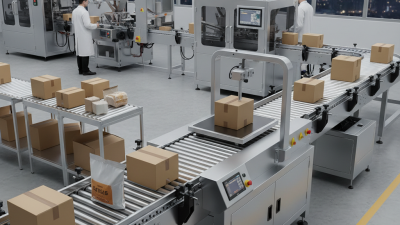
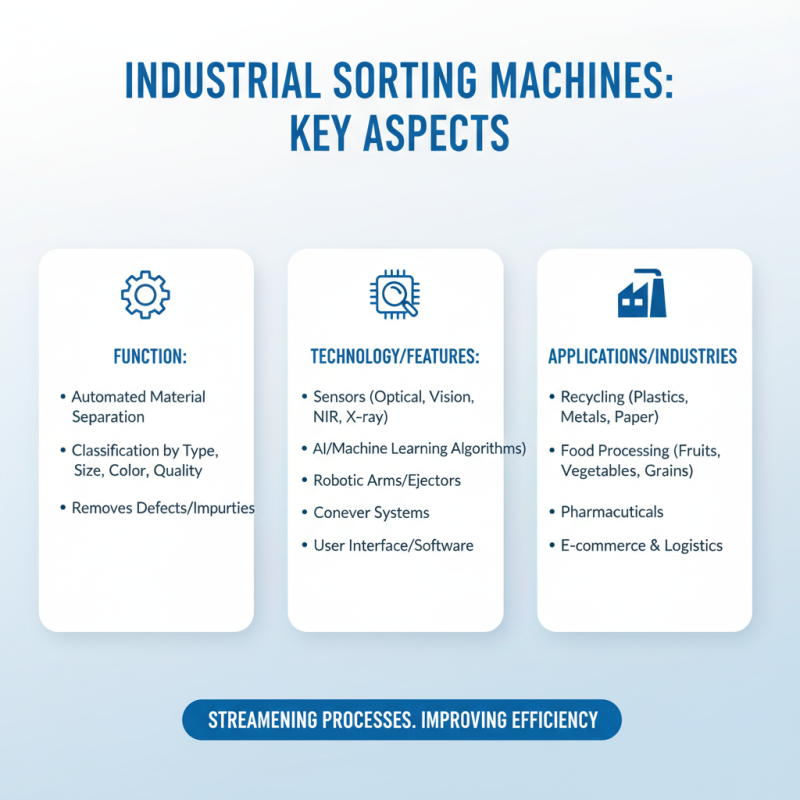
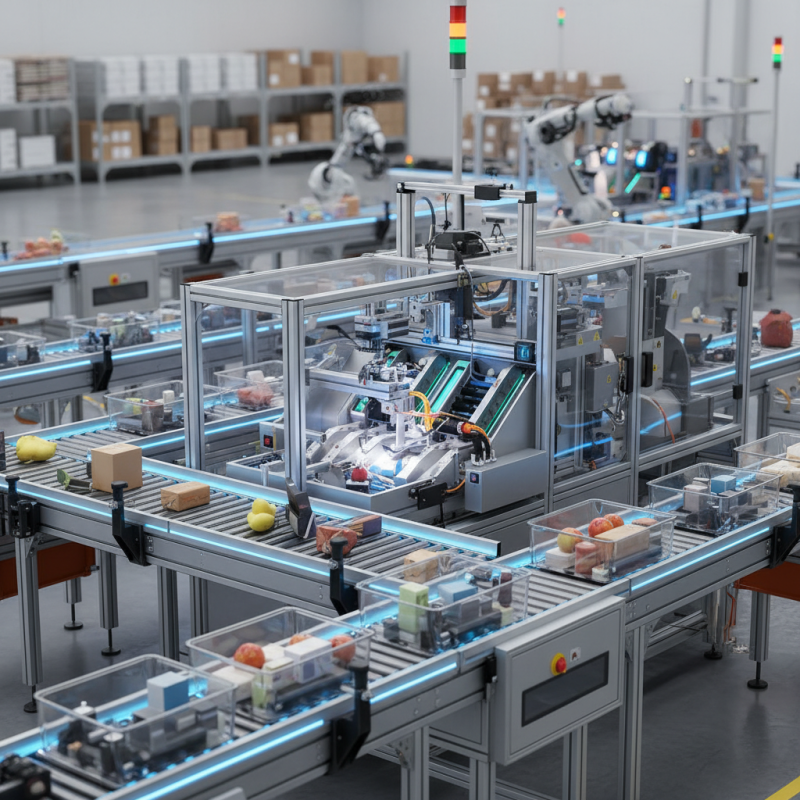
Sorting machines play a crucial role in various industries. They enhance efficiency by quickly organizing items based on specific criteria. From food processing to waste management, these machines streamline operations and improve productivity. Companies rely on sorting machines to handle large volumes of products. This allows them to maintain quality and reduce manual labor.
The applications of sorting machines are vast. In agriculture, they help in sorting fruits and vegetables. In recycling, they separate materials for better processing. Each type of machine serves a distinct purpose, but they all aim to simplify complex tasks.
However, there are challenges. Not every machine is perfect. Some may struggle with items of irregular shapes or sizes. This can lead to mishaps and wasted resources. It's crucial for businesses to assess their needs and understand machine limitations. Adapting solutions can lead to better outcomes.
Factors to Consider When Choosing a Sorting Machine
When choosing a sorting machine, several vital factors come into play. Capacity is crucial. Consider how much product you need to process daily. A larger capacity can save time but may also require more space. You should evaluate your facility’s layout. Ensure the chosen machine fits comfortably in the intended area.
Speed is another essential aspect. How fast do you need the machine to operate? A fast machine increases efficiency. However, it could lead to errors if not monitored closely. It's important to strike a balance between speed and accuracy.
Technology features often differ among sorting machines. Some machines integrate advanced sensors and software. These features can enhance sorting precision. However, they may also complicate operations. Training staff on new technology can take time. This is something to consider before making your decision.
Top 10 Sorting Machines: Key Factors to Consider
Top 10 Sorting Machines: Features and Specifications
Sorting machines play a significant role in various industries. They help streamline processes and improve efficiency. Understanding their features and specifications is essential. Let’s explore the key aspects.
When selecting a sorting machine, consider speed. Different machines offer varying sorting rates. Some can handle thousands of items per hour. Think about the volume you need. Accuracy is another critical factor. A highly accurate machine minimizes errors during sorting. This ensures quality control and reduces waste.
**Tip:** Always review the specifications before purchasing. Look for machines with adjustable settings. This flexibility can accommodate changing needs. Maintenance is crucial to avoid downtime. Regular checks can save costs in the long run.
In terms of technology, some machines use advanced sensors. They can detect size, color, and shape. These features enhance sorting capabilities. However, not all machines are user-friendly. Some might require extensive training. Assess the learning curve before making a decision.
**Tip:** Consider user reviews and feedback. Real-world experiences can reveal potential flaws. Don’t overlook the importance of warranty and support. A good backup plan is vital.
Benefits of Implementing Sorting Machines in Industries
Sorting machines have become essential in various industries, greatly enhancing efficiency. According to a recent report by the International Federation of Robotics, automation in sorting processes can increase output by up to 50%. This boost in productivity allows companies to meet rising consumer demands without compromising quality.
Implementing sorting machines also results in significant cost savings. A study by McKinsey suggests that companies could save an average of 20% on labor costs by automating repetitive sorting tasks. These machines can work tirelessly, reducing fatigue-related errors. In some cases, sorting accuracy can exceed 99%, minimizing waste and optimizing resource use.
Tips for effective implementation include integrating machines with existing workflow. Training employees on new systems is crucial. Communication is key when introducing new technology. A smooth transition ensures that the potential benefits of these machines are fully realized. Review systems periodically to identify areas for improvement. Remember, while sorting machines enhance efficiency, reflection on their performance can yield even greater results.
Future Trends in Sorting Machine Technology and Innovation
The future of sorting machine technology is vibrant and full of promise. Automation is leading the way, reducing the need for manual labor in many industries. Machines can now sort through materials faster and more accurately. Optical sensors and AI algorithms are becoming standard. They help identify items with incredible precision.
However, challenges still exist. Not all environments are equipped for high-tech solutions. Many facilities struggle to integrate new systems with older equipment. The learning curve for staff can be steep. Operators need training to effectively use advanced features.
Sustainability remains a focal point for innovation in sorting technology. Eco-friendly materials are being developed. Machines that consume less energy are in demand. Yet, not every solution is viable for every situation. Each facility must evaluate its unique needs and capabilities. The evolution of sorting machines is about finding balance and adapting to change.
Top 10 Sorting Machines: What You Need to Know
| Rank |
Type |
Sorting Capacity (units/hour) |
Applications |
Key Features |
| 1 |
Optical Sorting Machine |
10,000 |
Food Processing |
High precision, color recognition |
| 2 |
Ballistic Sorting Machine |
5,000 |
Recycling |
Efficient material separation |
| 3 |
X-Ray Sorting Machine |
1,200 |
Security Screening |
Detects concealed items |
| 4 |
Magnetic Sorting Machine |
8,000 |
Metal Recovery |
Effective for ferrous materials |
| 5 |
Mechanical Sorting Machine |
4,500 |
Manufacturing |
Robust design, durable |
| 6 |
Vacuum Sorting Machine |
6,000 |
Food & Chemical |
Gentle handling of materials |
| 7 |
Infrared Sorting Machine |
7,500 |
Textile Recycling |
Color & material analysis |
| 8 |
Density Sorting Machine |
3,000 |
Mineral Processing |
Separation by density |
| 9 |
Smart Sorting Machine |
9,000 |
E-commerce |
AI-driven performance |
| 10 |
Robotic Sorting Machine |
2,000 |
Warehouse Automation |
Flexibility and precision |