What is a Rotating Collection Table and How to Use It?
A Rotating Collection Table is an innovative solution in the world of collection management. It provides a dynamic, accessible way to display and organize items. According to a 2022 report from the International Association for Collections Management, institutions that utilize rotating collection tables see a 30% increase in visitor interaction. This shift highlights the growing importance of engaging presentation methods.
In practice, a Rotating Collection Table allows for continual refreshment of displays. By changing items regularly, organizations keep the content relevant and engaging. This not only attracts repeat visitors but also enhances educational experiences. However, challenges exist. Some institutions struggle with resource allocation for frequent updates. Managing inventory and ensuring optimal display conditions requires careful planning.
Moreover, using a Rotating Collection Table poses questions about balancing visibility and security. Not all items may be suitable for rotation, necessitating thoughtful curation. While it promises a captivating experience, organizations must reflect on their strategies and execution. Ultimately, the aim is to create a captivating exhibition that honors both aesthetic appeal and the integrity of the collection.
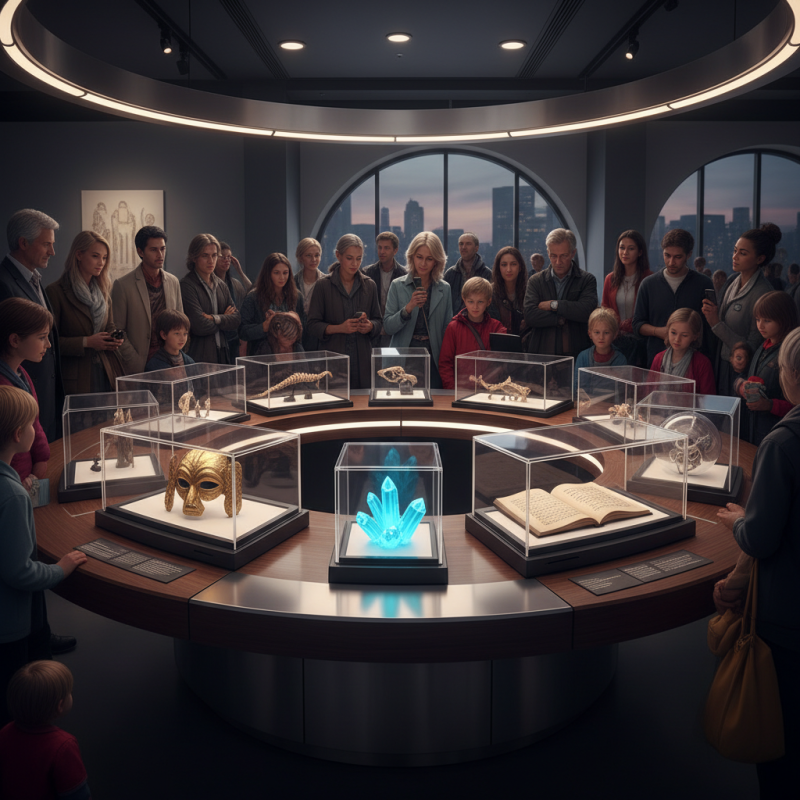
What is a Rotating Collection Table?
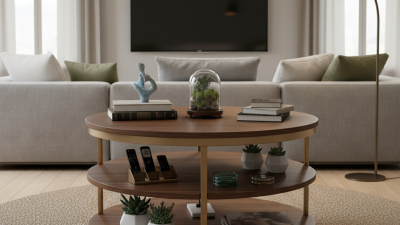
A rotating collection table is a unique organizational tool used to display items effectively. Imagine a circular table with multiple compartments or sections. It allows for easy access to various objects without needing to dig through clutter. This design promotes a tidy and visually appealing arrangement.
Using a rotating collection table can enhance your space. You can showcase art pieces, collect memorabilia, or even organize craft supplies. Each section spins independently, making it easy to find what you need quickly. However, some may find it challenging to maintain balance when filled with heavier items. Regularly reassessing the contents is vital to ensure everything is in order.
Experimenting with the arrangement can produce creative results. You may discover new ways to display items that you hadn't considered. However, it's crucial to avoid overcrowding. Too much in one area can detract from the overall effect. Reflect on what to keep and what to let go.
What is a Rotating Collection Table and How to Use It?
| Category |
Item Type |
Frequency of Rotation |
Use Case |
| Books |
Fiction |
Monthly |
Reading programs |
| Media |
Movies |
Bi-Weekly |
Community screenings |
| Art |
Paintings |
Quarterly |
Exhibitions |
| Technology |
Gadgets |
Seasonally |
Demonstrations |
| Culinary |
Cookbooks |
Annually |
Cooking classes |
Key Features of Rotating Collection Tables
Rotating collection tables are unique tools used in various settings. They enhance the organization of items while saving space. Key features make them stand out in any collection. Typically, they have multiple tiers that allow easy access to displayed items. This design encourages engagement with the collection.
Research indicates that rotating displays can increase visibility by up to 30%. This means enhanced interaction with the items on display. They’re especially useful in museums and exhibitions. Many professionals recommend using adjustable tiers. This feature allows customization for different types of items, making rotation more efficient.
**Tip:** Always ensure the table is stable. Uneven surfaces can lead to accidents, causing potential damage to valuable items.
Another important aspect of rotating collection tables is their aesthetic appeal. A well-designed table draws attention. It can elevate the presentation of a collection. Utilizing colors or themes can further enhance visual interest. However, over-cluttering can detract from the overall display.
**Tip:** Regularly assess the layout. This helps in determining what works best and what needs refinement. Sometimes, less is more when showcasing collections.
Monthly Usage of Rotating Collection Tables
Benefits of Using a Rotating Collection Table
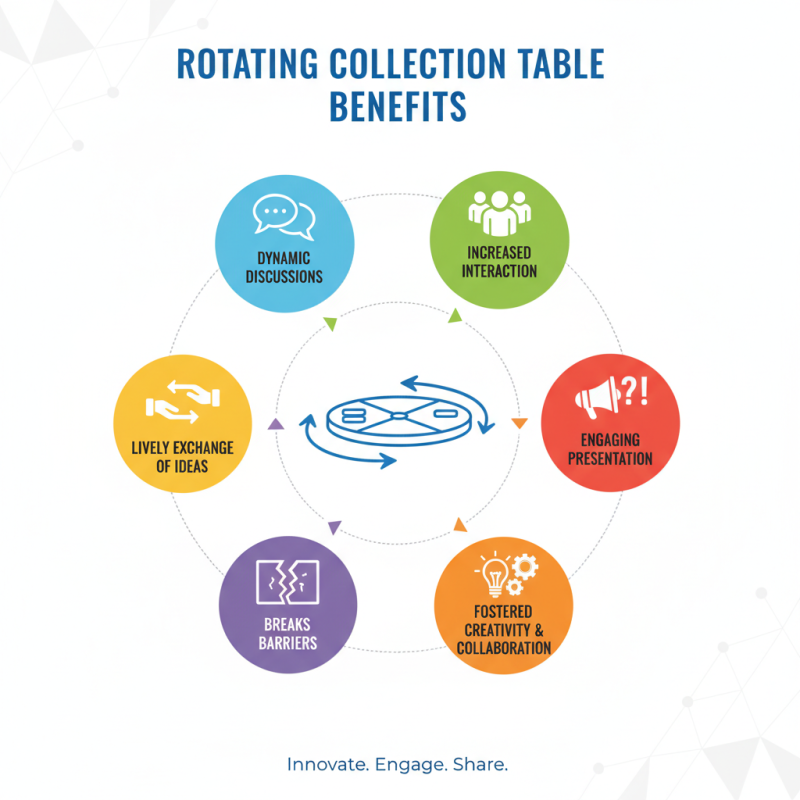
A rotating collection table offers unique benefits for both individuals and organizations. It encourages interaction among participants, making discussions more dynamic. As people share and swap their ideas, a lively exchange emerges. This approach breaks down formal barriers, fostering collaboration and creativity. It is an engaging way to present information or items in a community setting.
Rotating tables can adapt to various contexts. For example, art exhibitions can feature rotating displays of artworks. This keeps visitors curious and intrigued. However, the setup can be challenging. Space constraints may limit movement. Not all participants may be comfortable with a rotating format. It's essential to think about the environment and participant preferences. Adjustments may be needed to create an atmosphere that everyone finds enjoyable.
Moreover, the implementation of a rotating collection table often requires practice. Each rotation can reveal new insights and facilitate deeper understanding. However, some ideas may clash or disrupt the flow of conversation. Finding the right balance is crucial. Engaging with a diverse group can be enlightening, but it may also lead to misunderstandings. Reflection on these interactions can help enhance future sessions.
Step-by-Step Guide to Setting Up a Rotating Collection Table
A rotating collection table is a flexible display tool. It allows you to showcase multiple items in a compact space. Setting it up is simple, but attention to detail is key.
Start by choosing the right location. Look for a flat surface that attracts attention. Measure the space to ensure it fits. Clean the area. These small steps matter in the long run.
Next, plan your display. Arrange items in categories: seasonal, themes, or colors. Balance is essential. Don't overcrowd the table. Gaps can make it look intentional. A rotating table should encourage exploration.
Tips: Use varying heights for items. It adds interest. Incorporate lighting to highlight special pieces. Lastly, keep updating your collection. Fresh displays keep visitors curious. Make it a habit to refresh regularly. Changes will spark excitement and engagement.
Tips for Effectively Utilizing a Rotating Collection Table
A rotating collection table is a versatile tool for showcasing various items. It can be used for art displays, product showcases, or even casual dining setups. To maximize its potential, consider the layout. Place
taller items at the back and shorter ones in front. This ensures every piece gets equal visibility.
Lighting impacts how items appear. Use soft, even lighting to enhance colors and textures. Natural light can work wonders. However,
avoid direct sunlight to prevent fading. Experiment with angles. Moving the table can change perspectives. Create a narrative through your arrangement, telling a story with each piece.
Don’t hesitate to update the collection regularly. Stale displays can lead to disinterest. Ensure that you rearrange items frequently to keep it fresh.
Reflect on which setups draw more attention. Are there themes or colors that resonate more? Adapting your approach based on feedback will lead to better results. Each display can teach you something new about your audience's preferences.