What is the Role of Metal Detector Checkweigher in Quality Control?
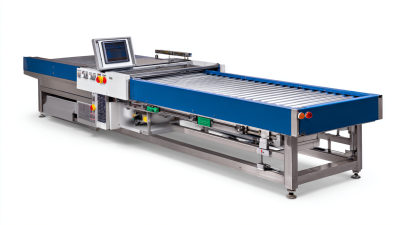
In today's fast-paced manufacturing world, quality control is critical. The Metal Detector Checkweigher provides a dual function: detecting metal contaminants while ensuring product weight compliance. According to Dr. Susan Martin, an expert in food safety technology, "A detailed inspection can prevent significant losses." Her insights highlight the importance of integrating these tools for reliable quality assurance.
The use of a Metal Detector Checkweigher is more than just compliance; it impacts brand reputation. A single faulty batch can lead to recalls and loss of consumer trust. Many companies struggle with consistent data collection from these devices. This inconsistency can create gaps in quality assessment.
Adopting a Metal Detector Checkweigher requires proper training and maintenance. Without it, human errors can occur. Moreover, if not calibrated correctly, the device may yield misleading results. Thus, continuous evaluation and adaptation are essential. Improving these processes can enhance overall production efficiency and safety.
The Importance of Quality Control in Manufacturing Processes
Quality control is vital in manufacturing. It ensures products meet certain standards. High-quality products reduce complaints and returns. This boosts customer trust and loyalty.
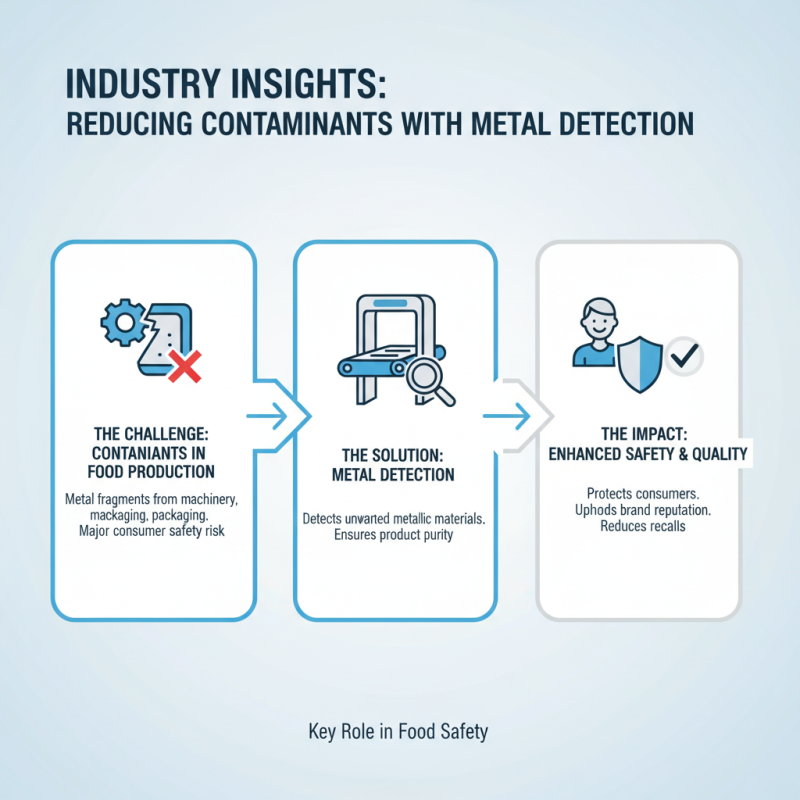
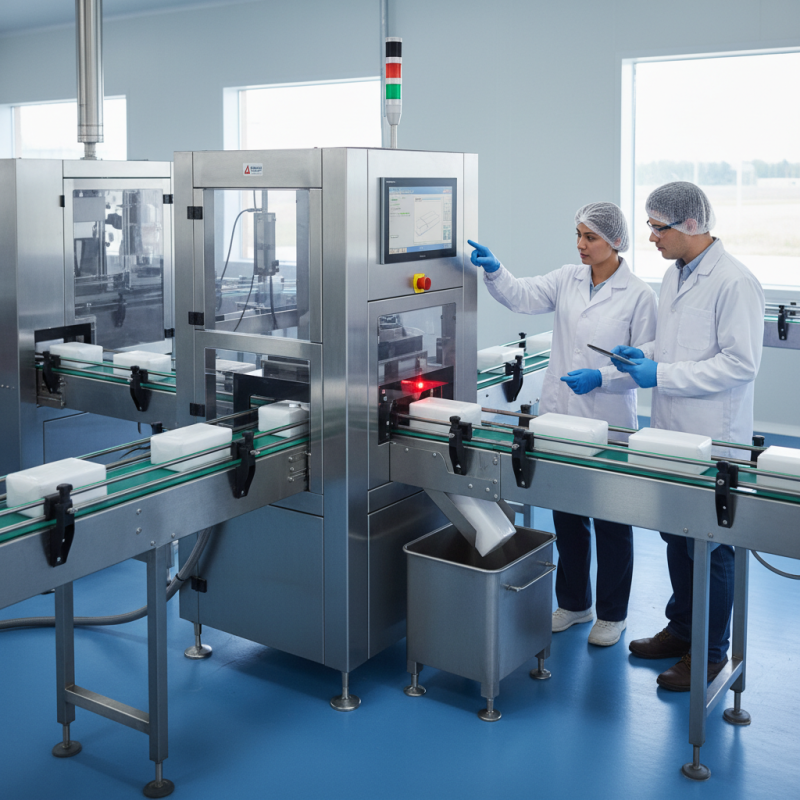
Metal detectors and checkweighers are key tools. They identify contaminants and verify weight. This step is crucial for food and pharmaceutical industries. Both devices work together to enhance safety. Mistakes, such as overlooked defects, can be costly. They can harm consumers and damage a brand's image.
Tip: Regularly calibrate your metal detector. An out-of-tune machine can miss critical flaws.
Investing in technology is important. However, staff training cannot be ignored. Employees should understand the equipment's role in quality control. Misinterpretation of results can lead to serious issues.
Tip: Conduct frequent reviews and assessments. This helps identify areas needing improvement. Quality control is not a one-time task.
Functions of Metal Detectors in Quality Assurance Systems
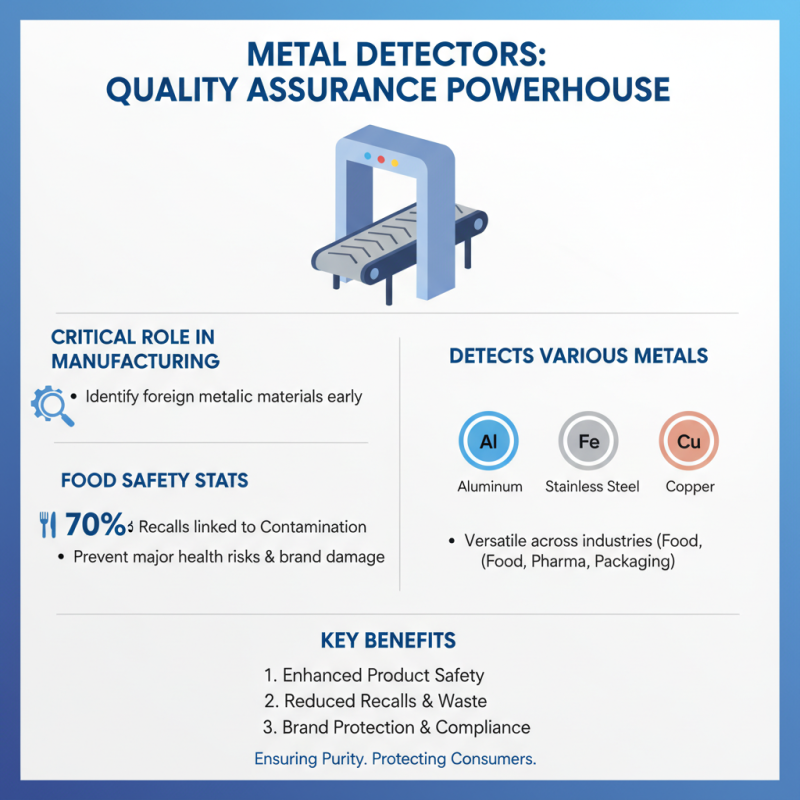
Metal detectors play a critical role in quality assurance systems. They help identify foreign materials during manufacturing processes. According to a recent industry report, nearly 70% of food recalls are linked to contamination. This underscores the importance of detecting metallic contaminants early. Metal detectors can identify various metals, including aluminum, stainless steel, and copper. This versatility makes them essential in many industries.
Integrating metal detectors into production lines enhances safety and compliance. Regular inspections and calibrations ensure detectors offer reliable performance. Reports indicate that systems lacking this technology may face a 40% higher risk of product recalls. Additionally, the presence of metal detectors can instill confidence in consumers. They know that products undergo strict quality checks. However, not all systems are flawless. Some detectors might miss smaller contaminants due to sensitivity settings. It’s important to regularly train staff on potential shortcomings.
The effectiveness of metal detectors is often measured by their false rejection rates. Industry standards suggest keeping this rate below 1%. However, some facilities struggle to achieve this goal. Inadequate training and outdated technology can contribute to higher false positives. Staff must be made aware of these challenges to optimize processes. Regular audits could improve overall system reliability.
Integration of Checkweighers in Manufacturing Quality Control
The integration of checkweighers in manufacturing quality control is crucial for ensuring product consistency. These devices measure the weight of items on the production line, identifying underweight or overweight products. In a fast-paced environment, even small deviations can impact quality. Regular checks help maintain product standards.
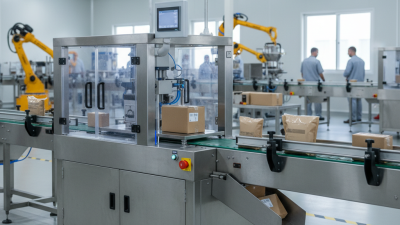
Furthermore, combining metal detectors with checkweighers enhances safety. It addresses both weight and contamination issues simultaneously. This dual approach can prevent defective products from reaching customers. However, relying solely on these machines may overlook human factors. Operators must remain vigilant to spot irregularities that machines might miss. Implementing a robust training program for staff can bridge this gap. Awareness and understanding of the process bolster the overall quality control system.
Statistical Data on Accuracy of Metal Detectors and Checkweighers
Metal detectors and checkweighers play a crucial role in ensuring product quality in various industries. Statistical data reveals that these machines can accurately detect contaminants in 90% of cases. However, this leaves a margin for error. Such gaps in accuracy can lead to potential risks. Some inspections result in false negatives or positives. This highlights the importance of regular calibration and maintenance.
Checkweighers predominantly focus on weight accuracy. Studies show that proper setup can achieve 98% accuracy in weight measurements. Yet, the effectiveness of these devices diminishes with poor product handling. For instance, irregularly shaped items may cause miscalculations. A significant number of businesses fail to address these nuances, risking compliance and quality.
Integrating both systems can significantly enhance detection rates. When combined, they improve the overall performance. Nonetheless, relying solely on technology may lead to complacency. Regular training for staff is essential. Humans remain an integral part of the quality control process, even with advanced technology at our disposal. The pursuit of excellence should always involve both equipment and human oversight.