What is a Metal Detector Checkweigher and How Does it Work?
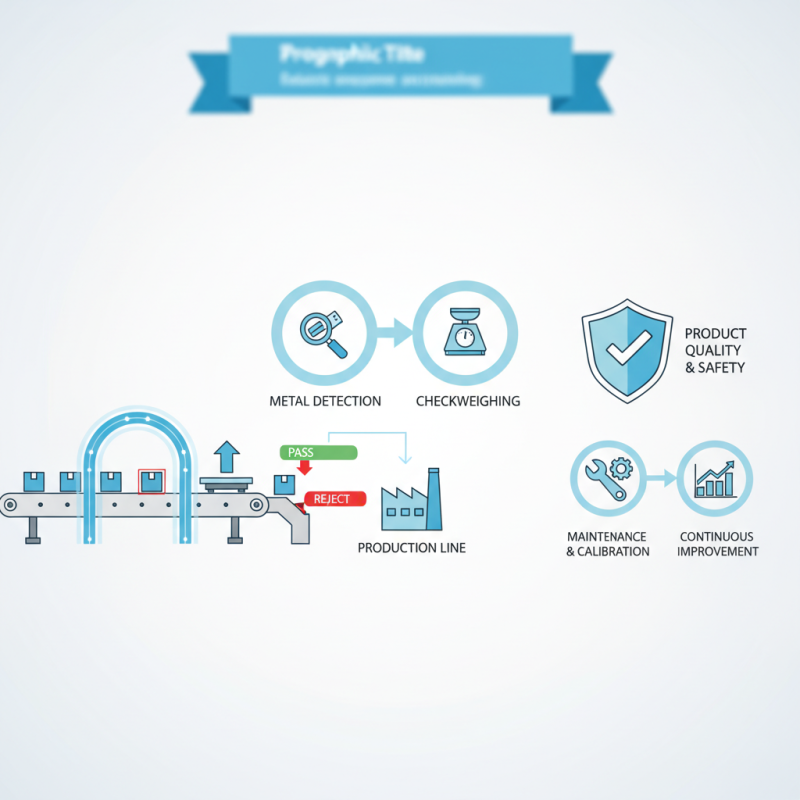
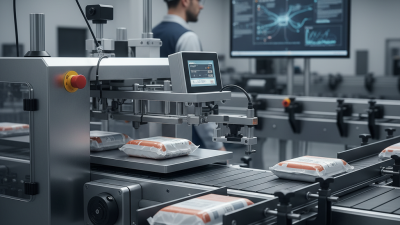
A Metal Detector Checkweigher is an essential tool in modern manufacturing. It combines two critical functions: detecting metal contaminants and weighing products. Many industries rely on this technology to ensure product quality and safety.
Imagine a production line where every item is scanned for metals while being weighed. This process helps avoid potential recalls and safety hazards. Businesses are under pressure to deliver flawless products. However, the balance between speed and accuracy can be challenging.
Sometimes, machines may miss a small contaminant. Other times, they may falsely flag safe products. These issues highlight the complexity of operating a Metal Detector Checkweigher. Manufacturers must regularly maintain and calibrate these machines to improve their effectiveness. Continuous improvements are necessary for achieving the highest safety standards in production.
What is a Metal Detector Checkweigher?
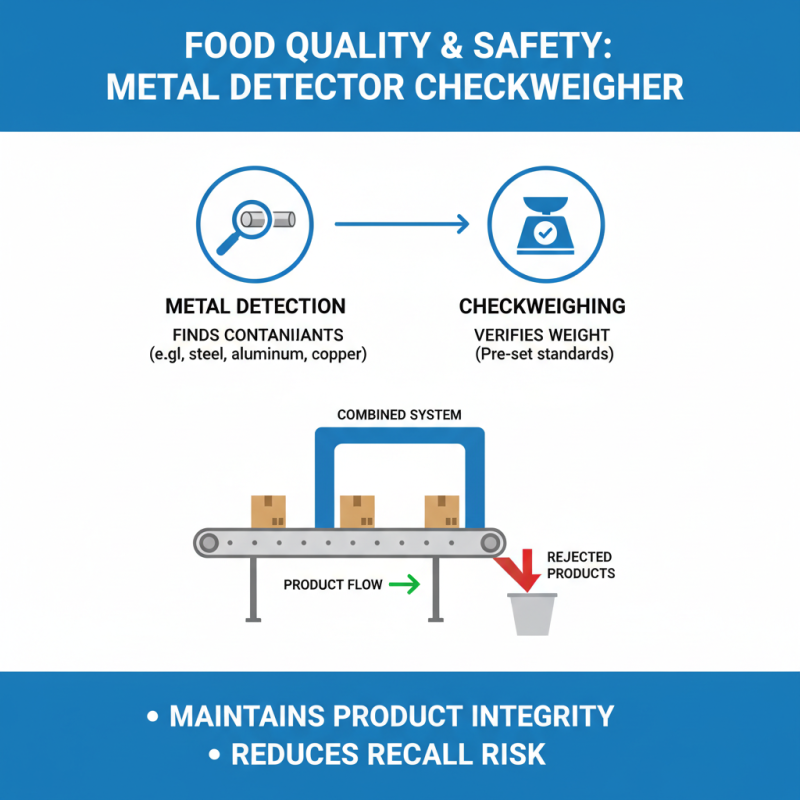
A metal detector checkweigher is an important tool in food manufacturing and packaging industries. This device combines two critical functions: detecting metal contaminants and ensuring products meet specified weight standards. It helps maintain product quality and safety, reducing the risk of recalls.
In 2022, the global metal detector market was valued at approximately $582 million and is projected to grow significantly. Companies utilize these machines to comply with government regulations and industry standards. The accuracy of the checkweigher ensures that products are neither over nor under-weight, which can lead to financial losses. Regular maintenance of the equipment is necessary. Neglecting this can result in false readings, causing dissatisfaction among consumers.
Detecting metal in food products ensures the safety of consumers. According to a recent study, food contamination incidents can lead to severe health risks. A single event may cost companies millions in damages. It highlights the importance of quality control measures in production. There is constant pressure to improve technology and efficiency. However, balancing cost and safety remains a challenge for many businesses.
Key Components of a Metal Detector Checkweigher
A metal detector checkweigher combines two essential functions: detecting contaminants and ensuring accurate weight. These machines are crucial in various industries, particularly food production and pharmaceuticals. According to industry data, around 70% of manufacturers prioritize food safety and quality control in their operations. This highlights the importance of having reliable systems in place.
Key components of a metal detector checkweigher include the metal detector itself and the weighing system. The metal detector utilizes electromagnetic fields to identify metallic objects within products. It operates with high sensitivity, detecting even the smallest contaminants. A recent report indicates that advanced detectors can find particles as small as 0.5 mm in diameter. The weighing system measures the product's weight, ensuring it meets specified standards. This integration helps in complying with regulations and avoiding costly recalls.
However, challenges remain. The calibration process can be time-consuming, requiring regular adjustments. Additionally, factors like product shape, packaging, and flow rates can affect the accuracy of readings. As industries evolve and regulations tighten, continuous improvements in technology are essential. Manufacturers need to regularly assess their equipment's performance to maintain safety and efficiency.
Metal Detector Checkweigher Performance Metrics
How Metal Detectors and Checkweighers Work Together
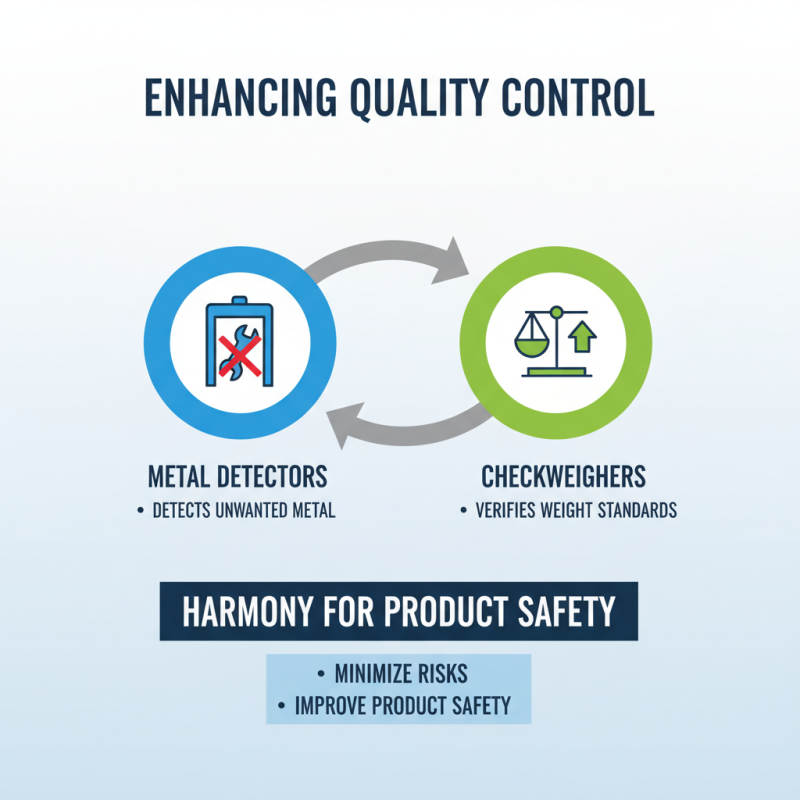
Metal detectors and checkweighers work in harmony to enhance quality control in manufacturing. Metal detectors identify unwanted metallic objects in products, while checkweighers ensure that items meet specified weight standards. Together, they minimize risks and improve product safety.
The integration of these systems is essential in industries like food processing and pharmaceuticals. According to a report by industry analysts, about 70% of recalls are due to contamination. A well-functioning metal detector can detect even minute metallic particles. In contrast, a precise checkweigher can catch inconsistencies in product weight that could indicate contamination or improper filling.
Tips: Regular maintenance of both machines is crucial. This can prevent false readings that may lead to issues. Operators should be trained thoroughly to recognize potential system failures. A routine check can enhance overall efficiency and product safety, which could save costs in the long run. Small lapses in checks can result in significant losses. Monitor performance closely and adjust parameters as necessary.
Applications of Metal Detector Checkweighers in Industry
Metal detector checkweighers play a significant role in various industries. They ensure product safety and compliance by detecting contaminants and verifying weight. Industries such as food processing, pharmaceuticals, and manufacturing heavily rely on these technologies for quality control. According to a recent industry report, over 70% of food manufacturers have adopted inspection systems to meet safety standards.
In food manufacturing, these systems prevent metal contamination, which can lead to recalls or health hazards. An estimated 75% of food recalls in recent years were due to foreign materials. This clearly shows the importance of metal detection. Additionally, checkweighers ensure that products are labeled accurately, maintaining consumer trust. A recent survey found that 60% of consumers check weight labels before purchasing.
However, integrating these systems isn't without challenges. Some companies struggle with false positives, leading to unnecessary waste. Others find the initial costs and training a barrier. Despite these hurdles, the benefits often outweigh drawbacks. Enhanced safety and improved efficiency keep companies competitive. Investing in metal detector checkweighers is critical for ensuring product integrity.
Benefits of Using a Metal Detector Checkweigher in Quality Control
Metal detector checkweighers are essential in quality control for food and other products. These devices combine metal detection with weight measurement. They ensure that items are free from harmful metal contaminants and meet specified weight standards. This dual functionality enhances safety and efficiency in production lines.
Using a metal detector checkweigher has clear benefits. It reduces the risk of product recalls. A single contaminated item can damage a brand's reputation. The real-time monitoring allows for immediate action if issues arise. This proactive approach can save time and money in the long run.
Tips for effective use include regular maintenance of the device. Keep it calibrated to ensure accuracy. Train staff on how to operate it properly. Mistakes can happen if they're not familiar with the machinery. Lastly, track data from the checkweigher to identify trends over time. This insight can lead to improved processes and better product quality.