How to Choose the Right Electronic Scales for Your Needs?
Choosing the right electronic scales can be overwhelming. The market offers a wide range of models, each with unique features. A report by Market Research Future suggests that the global electronic scales market is expected to grow at a CAGR of 5.6% from 2022 to 2028. This growth highlights the increasing demand for accurate and efficient weighing solutions.
When selecting electronic scales, consider your specific needs. For instance, healthcare, cooking, and industrial applications require different types. Healthcare scales often have features like BMI calculation, while kitchen scales emphasize precision in grams. It's crucial to reflect on what you truly need, rather than just opting for the latest model.
Many users overlook essential details. For example, the capacity of the scales is critical based on your typical usage. Ignoring this can lead to errors or product damage. Reliability and ease of use are also vital factors. Understanding these aspects can significantly enhance your weighing experience. Overall, making an informed choice can simplify your tasks and save time.

Understanding Different Types of Electronic Scales Available in the Market
When choosing electronic scales, it's essential to understand the types available.
Digital kitchen scales are popular for cooking and portion control.
These scales typically measure in grams or ounces and provide precise readings.
A study found that digital kitchen scales can enhance recipe accuracy by up to 20%.
This precision is crucial for successful baking or meal prep.
Bathroom scales also serve a different purpose. They often focus on weight tracking and may include body composition.
A report indicated that around 30% of consumers prefer scales that offer BMI and body fat percentage readings.
However, many users find these metrics confusing.
It’s essential to weigh the importance of advanced features against personal needs.
Some find only weight measurement sufficient and may not benefit from added complexity.
Another option is portable or luggage scales.
These compact devices are handy for travelers.
They help avoid overweight baggage fees, a concern for many.
Industry data shows that travelers save an average of $50 per trip by using luggage scales.
Still, these scales can vary significantly in accuracy.
Users should check reviews and calibration details.
Making an informed choice is vital, as the wrong scale can lead to frustration.
Key Features to Consider When Choosing Electronic Scales
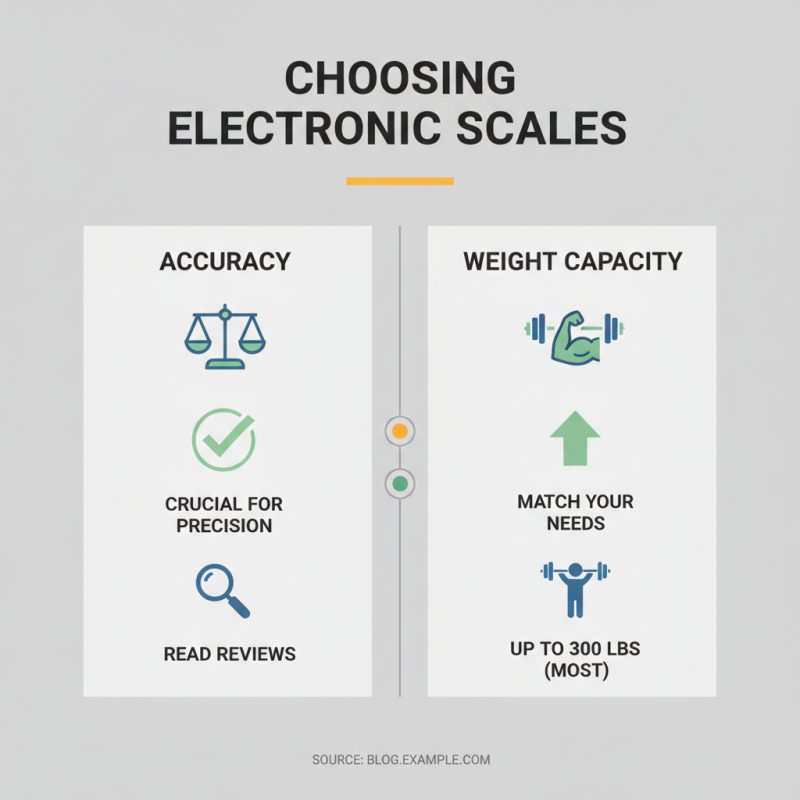
When choosing electronic scales, pay attention to key features. Accuracy is crucial. Many scales offer precision, but some may vary slightly. Check reviews about accuracy to avoid surprises. Weight capacity is another factor. Ensure the scale can handle your needs. Many scales support up to 300 pounds, but look for more if required.
Display types matter too. Digital displays are common and easier to read. Some scales offer backlit screens, which can be handy in low light. Consider additional features like memory functions. They store previous weights, which can be useful for tracking progress. However, more features might complicate use.
Lastly, design can impact your choice. Some scales are sleek and modern, while others have a more traditional look. Think about where you will keep it. A bulky design may not fit well in small spaces. Choosing the right scale is not just about function; it’s also about how it fits into your life. Consider these features carefully for the best decision.
Accuracy and Precision: Importance in Electronic Scale Selection
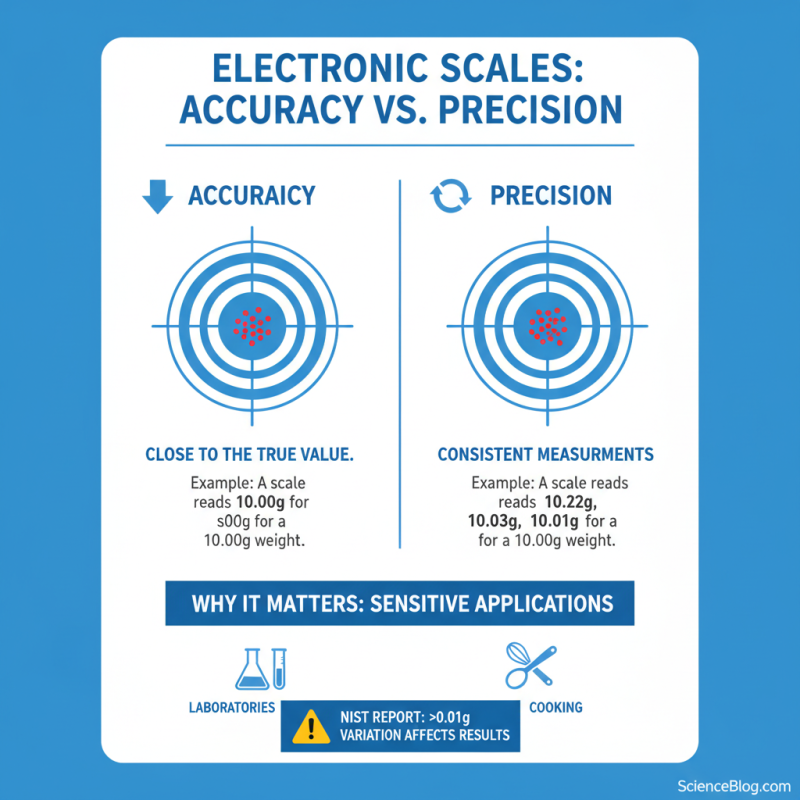
When choosing electronic scales, accuracy and precision are critical components. Accuracy refers to how close a measurement is to the true value. Precision, however, talks about the consistency of measurements under the same conditions. According to a report by the National Institute of Standards and Technology, a variation of just 0.01 grams can affect results in sensitive applications, like laboratories and cooking.
In practical terms, if you're weighing chemicals for a lab experiment, even minor discrepancies can lead to failed outcomes. People often overlook calibration frequency, which impacts both accuracy and precision. A study showed that 70% of users did not recalibrate their scales regularly, leading to potential measurement errors. For home cooks, this can mean either overly salted dishes or failed baking attempts due to incorrect ingredient ratios.
Choosing the right scale requires understanding your specific needs. Not all situations demand the highest precision. For instance, a scale that is accurate up to 0.1 grams might suffice for general household use. Meanwhile, industrial scales often require accuracy within 0.001 grams. Reflecting on your unique requirements will help you select a suitable balance between accuracy and cost.
Weight Capacity and Scale Size Considerations for Your Needs
Choosing the right electronic scale is crucial. One of the main factors to consider is weight capacity. Do you need a scale for personal use or for heavier objects? A scale with a higher capacity is essential for larger items. Think about what you will weigh. If you weigh pets or large packages, look for scales that can handle more than 300 pounds.
Scale size is another important consideration. A compact scale is easier to store. However, a larger scale may provide more accurate readings for bigger items. Check if the scale fits your space. Not all areas have room for bulky equipment. Reflect on your setup often. Is your scale easy to access? A scale that is hidden can prevent regular use. Assess both weight capacity and size to make an informed choice.
How to Choose the Right Electronic Scales for Your Needs?
Common Applications of Electronic Scales Across Various Industries
Electronic scales play a crucial role in various industries. In retail, they ensure customers receive the correct weight and price for their purchases. Grocery stores rely on them to weigh fruits, vegetables, and deli items accurately. This enhances the shopping experience and builds customer trust.
In the healthcare sector, precision is vital. Scales are used to track patient weight trends. Weight loss or gain can impact treatment plans. Accurate readings help doctors make informed decisions. However, not all scales meet medical standards. This could lead to misjudgments in treatment.
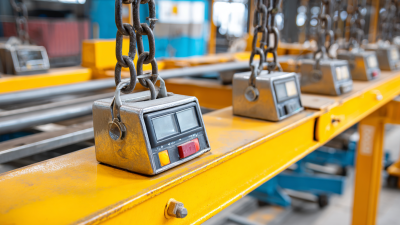
Manufacturing and logistics also benefit from electronic scales. They help in measuring raw materials and finished products. This ensures consistency in production. Without these scales, errors could lead to costly waste.
Moreover, businesses sometimes overlook calibration needs, which affects accuracy. Regular maintenance is essential for reliable performance. Each application presents specific challenges that require careful consideration.