How to Choose the Right Dynamic Checkweigher for Your Needs?
Choosing the right Dynamic Checkweigher can significantly enhance your production line's efficiency. These machines offer precise weight verification, ensuring product quality and compliance. In a fast-paced manufacturing environment, accuracy is crucial. An ideal checkweigher should fit seamlessly with your system.
Consider your specific needs. The dynamic checkweigher should match the speed of your production line. A machine too slow may cause bottlenecks. One that is too fast risks inaccuracy. It's essential to find that balance.
You may face challenges during selection. Every product has unique requirements. Certain materials may affect the weight readings. Reflect on the details of your process. The right dynamic checkweigher will save time and reduce waste. Aim for a machine that meets your demands without compromises.
Understanding the Basics of Dynamic Checkweighers
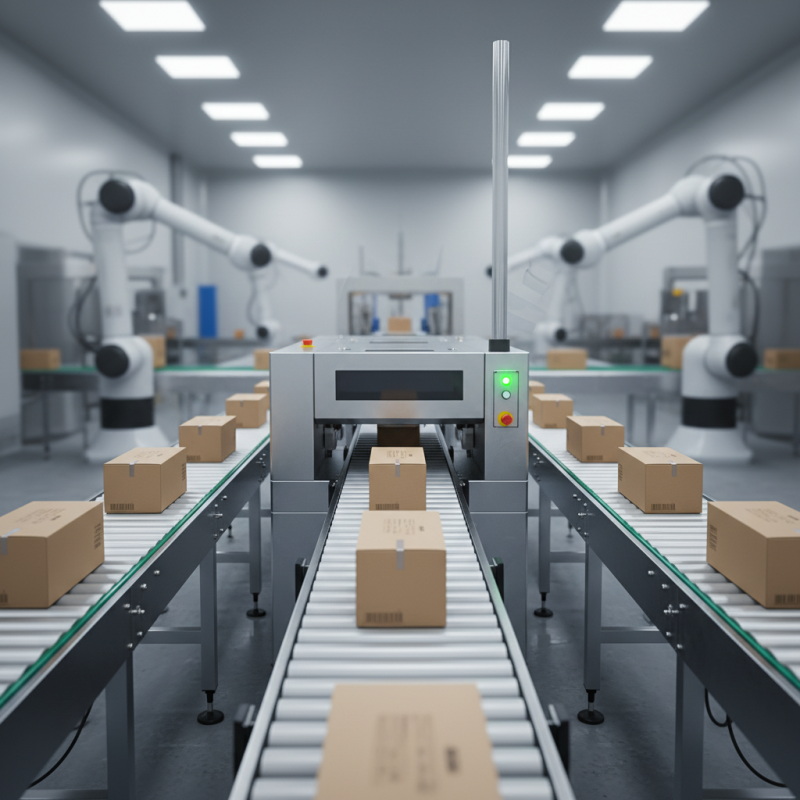
Dynamic checkweighers play a crucial role in various industries, ensuring products are within specified weight limits. These devices measure the weight of items as they move along a conveyor belt. According to recent studies, about 60% of manufacturers report using checkweighers to minimize waste and maintain quality control. Proper calibration is essential to achieve accurate results. An incorrectly calibrated machine can lead to significant financial losses.
The demand for dynamic checkweighers has grown. A report by an industry research firm indicates a projected growth rate of 8.3% from 2021 to 2026. This trend highlights the importance of selecting the correct model tailored to your production needs. Factors such as speed, weight range, and environmental conditions play important roles in the decision-making process. A machine that works well in one setting may underperform in another.
Understanding specific requirements is key. For example, a food manufacturing facility may need a different checkweigher compared to a pharmaceutical plant. Dust, moisture, and temperature variations can affect the accuracy of weight measurements. Investing time in evaluating machine specifications can prevent costly mistakes later on. Not all checkweighers are built to handle the same products. Choosing a unit that aligns with operational challenges can enhance efficiency.
Key Factors to Consider When Choosing a Dynamic Checkweigher
Choosing the right dynamic checkweigher is crucial for efficient production. You need to consider various factors to meet your specific needs. One major aspect is the machine's capacity. Evaluate the types of products you handle. Are they lightweight, heavy, or irregularly shaped? The checkweigher should handle the product sizes you work with.
Another key factor is speed. Your production line might be fast-paced. Ensure that the checkweigher can keep up without causing bottlenecks. Check the specifications for weighing speed and accuracy. Think about the materials too. Some products may require special handling or features. It's important to investigate how the checkweigher can be adapted.
Tips for selecting a checkweigher include sample testing. Before purchasing, run tests with your actual products. It's a good way to identify any potential issues. Also, pay attention to the ease of use and maintenance. A complex machine might lead to downtime. Regular training for staff can prevent mistakes. Reflect on your current workflow. Are there areas where improvements are necessary? This can guide your decision.
Choosing the Right Dynamic Checkweigher: Key Factors to Consider
Evaluating Accuracy and Speed for Your Application Needs
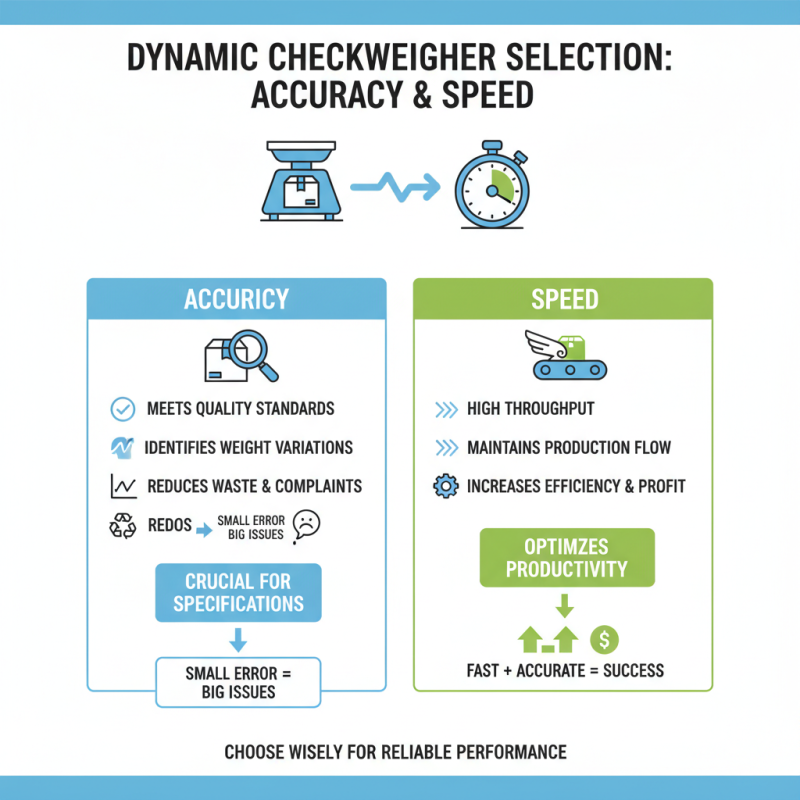
When selecting a dynamic checkweigher, accuracy and speed are crucial factors. Accuracy is essential for meeting quality standards. A checkweigher must consistently identify weight variations. This ensures that products meet specifications, reducing waste and complaints. A small error can lead to significant issues.
Speed is equally important, especially in high-volume production environments. A checkweigher should process items quickly without sacrificing accuracy. Fast operation keeps the line moving smoothly. However, balancing between speed and precision can be challenging. Sometimes, increasing speed results in lower accuracy. It's vital to find the right settings for your specific application.
Consider how these factors affect your process. Analyze your production rate and tolerance levels. Would slightly lower speed enhance overall accuracy? Reflecting on these aspects can help in making a more informed choice. A checkweigher that doesn't fit your needs can lead to frustrations and inefficiencies. Investing time in this evaluation can pay off in the long run.
Assessing the Size and Design Specifications of Checkweighers
When selecting a dynamic checkweigher, the size and design are critical factors. The physical dimensions of the machine must match your production line. In a report by MarketsandMarkets, 52% of manufacturers noted space constraints as a top challenge. A compact design may save precious floor space, yet compromise on detection capabilities. The balance between size and functionality is delicate.
Design specifications also play a pivotal role. A checkweigher's architecture should facilitate easy cleaning and maintenance. According to research by Smithers, 67% of production downtime is due to maintenance issues. Therefore, choosing a model with easily accessible components can optimize operational efficiency. Some designs may look appealing but could present hidden maintenance challenges. Manufacturers must consider real-life implications when assessing these specifications.
Weight capacity is another essential factor. Some checkweighers are limited to certain weight ranges. Selecting a model with inadequate capacity may lead to operational bottlenecks. Furthermore, a study by the Food and Beverage Association indicated that 35% of errors stem from improper weight measurements. It's vital to ensure that the chosen checkweigher meets your industry's specific weight requirements.
Exploring Cost Considerations and Budgeting for Checkweighers
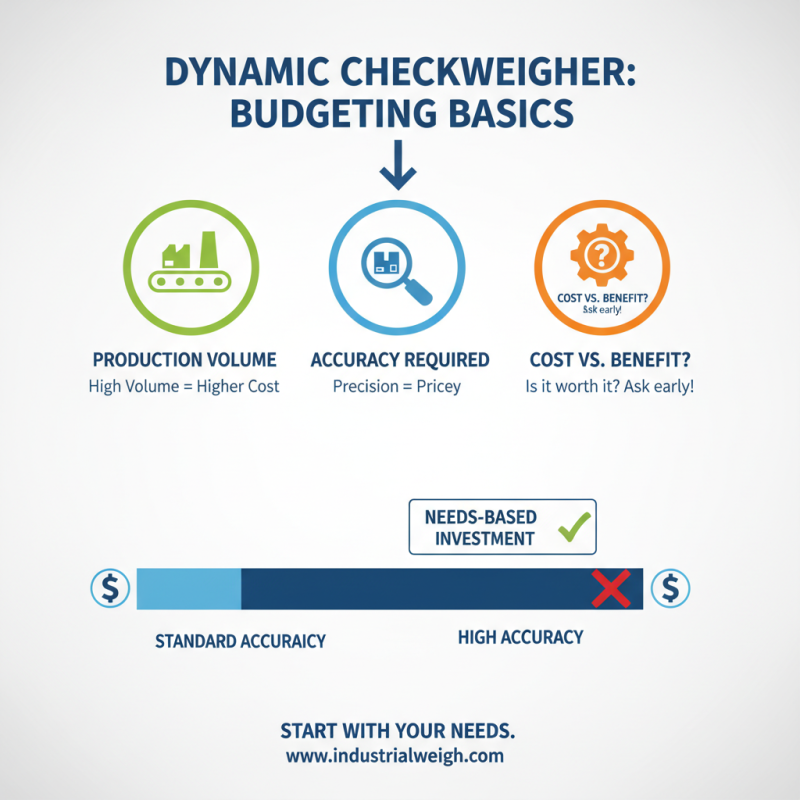
When budgeting for a dynamic checkweigher, start with your needs. Understand the production volume you handle. Determine the level of accuracy required for your products. These factors heavily influence the cost. A high-accuracy machine typically incurs a higher price. But, does it always justify the expense? It’s essential to ask this question early.
Consider additional costs as well. Installation fees, maintenance, and training for operators can add up. Don't forget to factor in these aspects into your budget. Have you accounted for potential disruptions during installation? This could lead to lost productivity. Thus, a thorough financial plan can mitigate unexpected expenses.
There’s also the question of features. More advanced machines offer additional functionalities. But, do you need all of them? Simple checkweighers may suffice for some applications. Testing a few models can help you find the balance of cost and features. It’s not just about price; it’s about fitting your unique operational needs. Reflecting on these details can lead to better long-term investment decisions.