Choosing the right sorting machine for your business can significantly impact your efficiency and productivity. With various types available, making an informed choice is crucial. A sorting machine should match the specific needs of your operations. It can help streamline processes and reduce manual labor.
Understanding the features and capabilities of different sorting machines is key. Consider the types of materials you handle. The sorting speed and accuracy are also essential factors. Each business has unique requirements, and not all machines are created equal. You might find that what works for one company may not suit another.
Don't overlook the importance of reliability. Investing in a quality sorting machine can prevent unexpected downtime. At the same time, keep your budget in mind. Balancing cost with features is often challenging. Reflect on your long-term goals when making a selection. This decision deserves careful thought to ensure lasting benefits.
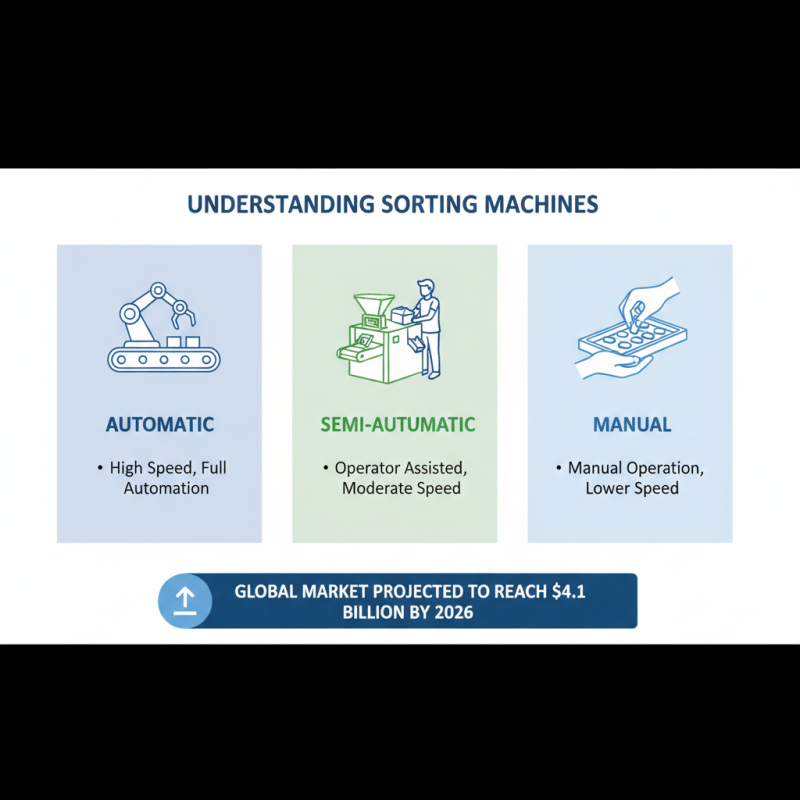
Choosing the right sorting machine for your business requires an understanding of the types available in the market. The sorting machine landscape has grown diverse, featuring options like automatic, semi-automatic, and manual machines. According to industry reports, the global sorting equipment market is projected to reach $4.1 billion by 2026, demonstrating significant growth driven by automation.
Automatic sorting machines offer efficiency for large volumes. They employ advanced technologies, such as sensors and AI, to ensure precision. For instance, these machines can sort products by size, shape, or even color. Semi-automatic machines provide a balance, allowing human oversight without sacrificing speed. Manual sorting machines still have a place, especially in industries with varying product types where human judgment can be beneficial.
**Tips:** Assess your product’s characteristics. Consider the volume and frequency of sorting. Evaluate how much control you want in the process. Remember, investing in the wrong type could lead to errors or downtime. Balancing automation and human insight can yield effective results, but rely solely on automation? That’s a risky gamble. Always evaluate how each machine fits into your specific operational needs to avoid costly mistakes.
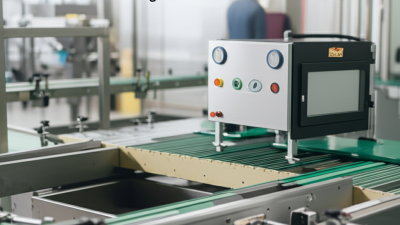
When selecting a sorting machine for your business, focusing on speed, accuracy, and capacity is crucial. According to a recent report from Global Market Insights, the demand for high-speed sorting machines is projected to grow by over 12% annually. Speed can significantly impact your operations. Faster sorting machines can handle larger volumes, minimizing downtime and increasing productivity.
Accuracy is another vital feature to consider. Errors during sorting can lead to costly returns and dissatisfied customers. Research indicates that sorting machines with enhanced optical and weight detection systems can reduce errors by up to 30%. This can save businesses significant amounts over time, both in labor costs and improved customer satisfaction.
Capacity is equally important. Businesses need to match machine capability to their production needs. Models with higher capacity can manage a wide range of products simultaneously. However, investing in a machine with overly ambitious capacity might not yield a return if your current throughput is lower. Take the time to evaluate your current and projected sorting needs carefully, so you can find a suitable balance between these features and avoid overspending.
| Feature | Machine A | Machine B | Machine C |
|---|---|---|---|
| Speed (items/hour) | 1200 | 1500 | 1800 |
| Accuracy (%) | 98 | 97 | 99 |
| Capacity (liters) | 200 | 250 | 300 |
| Power Consumption (kW) | 3.5 | 4.0 | 4.5 |
| Operating Noise (dB) | 70 | 75 | 68 |
Choosing the right sorting machine begins with understanding the specific needs of your industry. In the food sector, hygiene and compliance with safety regulations are crucial. Machines must handle perishable goods efficiently. They should also prevent contamination during sorting. Factors such as speed and accuracy directly affect product quality. Businesses often underestimate maintenance costs. Equipment should be easy to clean and maintain.
For retail, flexibility is key. Sorting machines should accommodate various product sizes and packaging types. These machines should integrate well with existing inventory systems. Streamlined processes can significantly reduce labor costs. Retailers must also consider the return on investment. It can be hard to predict how a new machine will perform in a busy storefront.
Logistics requires machines that can handle high volumes and adapt to changing demands. Speed and reliability are vital here. Sorting equipment should work seamlessly with automated systems. Companies may overlook these considerations when choosing a sorting solution. Regular assessment of sorting performance can highlight potential issues. Understanding the unique demands of your industry ensures you select a machine that meets your specific sorting requirements effectively.
When selecting a sorting machine for your business, budget considerations are crucial. Cost-effectiveness and performance must align with your needs. A more expensive machine may offer advanced features, but does it justify the investment? Some businesses find that lower-priced models can perform adequately.
Performance metrics often include speed and accuracy. However, balancing these measures with cost is not straightforward. You might find a machine that sorts quickly but has a high maintenance cost. On the other hand, a budget-friendly alternative may have lower performance ratings but be easier to maintain. Consider the long-term value rather than just initial costs.
Evaluating your specific requirements will help. For instance, how often will the machine be in use? What volume of items need sorting? Reflect on these questions. Sometimes, taking a risk on a more affordable option can lead to surprising results. But beware of underestimating your needs. Be prepared to reassess your choices as your business evolves.
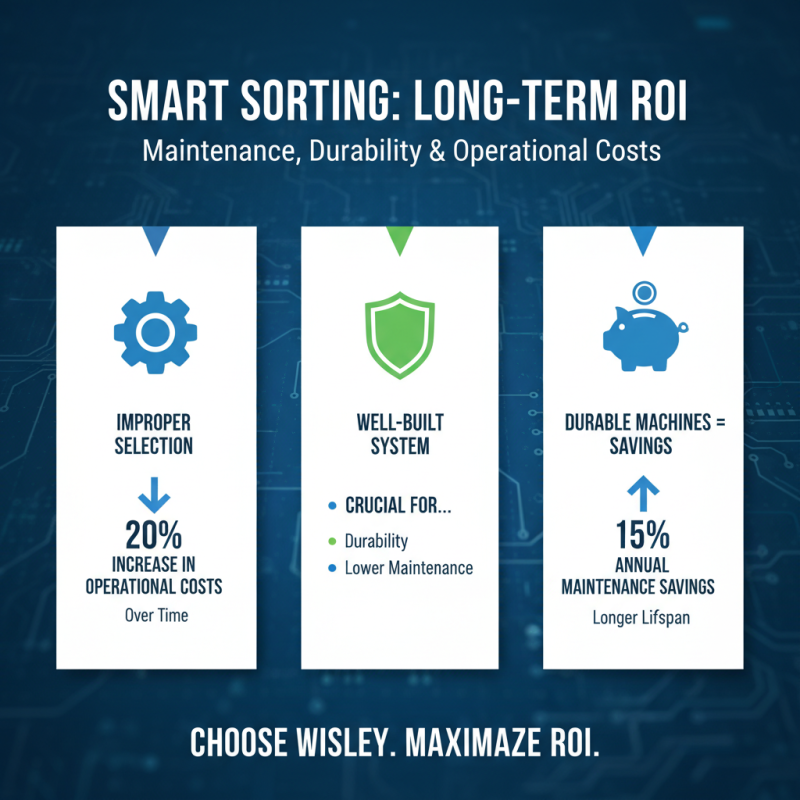
Choosing the right sorting machine for your business involves understanding long-term ROI, particularly maintenance, durability, and operational costs. Reports indicate that improper machine selection can lead to up to a 20% increase in operational costs over time. Selecting a well-built sorting system is crucial. Durability plays a key role here; machines with higher durability ratings can last significantly longer, translating to lower long-term maintenance costs. A durable sorting machine can save businesses approximately 15% in maintenance expenses annually.
Consider the operational costs of the machinery. Efficient machines consume less energy and require fewer repairs. Industry average shows that energy-efficient sorting machines might reduce energy costs by up to 30%. Regular maintenance minimizes downtime, which can be costly. Neglecting upkeep can lead to larger issues that require expensive repairs or even equipment replacement.
Tips: Evaluate the machine's warranty and service agreements. A good warranty can protect your investment. Assess the availability of spare parts; delays can disrupt operations. Also, involve your operational team in the selection process. Their insights can provide practical perspectives that sales presentations may overlook. Engaging with your team fosters better alignment with business needs.