2026 How to Choose the Best Dynamic Checkweigher for Your Needs?
Choosing the right Dynamic Checkweigher is crucial for operational efficiency in manufacturing. As industries aim for optimal performance, the adoption of advanced checkweighing technologies has surged. According to a recent market analysis, the dynamic checkweigher market is projected to grow at a CAGR of 5.6% from 2021 to 2026. This growth underscores the increasing reliance on precision in product weight measurement.
Dynamic Checkweighers are essential in reducing product waste and ensuring compliance with weight regulations. They can help avoid penalties and improve overall productivity. Notably, a well-configured checkweigher can detect weight discrepancies as small as 0.1 grams. This level of accuracy makes them invaluable in industries like food and pharmaceuticals, where compliance is strict and critical.
However, selecting the right Dynamic Checkweigher requires careful consideration. Factors such as load capacity, speed, and environmental conditions must align with production goals. Many companies overlook these details, leading to suboptimal performance and increased costs. Investing time in understanding these aspects can yield a more effective solution tailored to specific needs. This decision can impact operational success and ultimately the bottom line.
Understanding Dynamic Checkweighers: A Comprehensive Overview
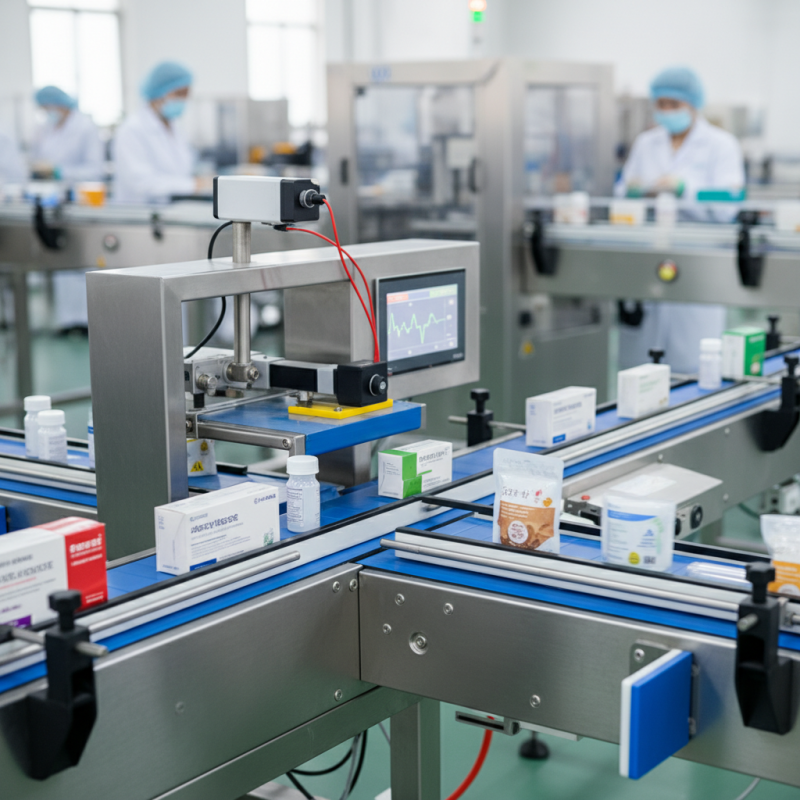
Dynamic checkweighers are essential in various industries, ensuring that products meet specified weight criteria. According to a recent industry report by PMMI, nearly 75% of manufacturers recognize the importance of accurate weight measurements in maintaining product quality and compliance with regulations. Properly calibrated checkweighers can significantly reduce wastage, leading to cost savings of up to 10% annually.
These machines operate by measuring products as they move along the production line. They can detect underweight or overweight items in real-time. This capability helps prevent costly errors, such as customer complaints or regulatory fines. Data shows that industries utilizing advanced checkweighing systems report a 20% increase in operational efficiency. Investing in the right technology makes a tangible difference.
Tips: When selecting a dynamic checkweigher, consider the machine’s speed and accuracy. Look for systems that offer adjustable weight ranges to accommodate various products. Regular maintenance is crucial; even small misalignments can lead to significant inaccuracies. Validating the machine's performance periodically is also essential to ensure reliability and compliance with industry standards.
2026 How to Choose the Best Dynamic Checkweigher for Your Needs?
| Feature |
Description |
Importance Level |
Considerations |
| Accuracy |
Measures the precision of weight detection. |
High |
Ensure it meets quality standards for product weights. |
| Speed |
The rate at which the checkweigher can process items. |
Medium |
Balance between speed and accuracy is essential. |
| User Interface |
Ease of use for operators to navigate the system. |
High |
Look for intuitive design and training support. |
| Integration |
Compatibility with existing production lines and systems. |
Medium |
Check connectivity with other machines and software. |
| Maintenance Requirements |
Frequency and ease of servicing the equipment. |
Medium |
Consider total cost of ownership over time. |
Key Factors to Consider When Selecting a Dynamic Checkweigher
Selecting a dynamic checkweigher can significantly impact your production line efficiency. To make an informed choice, several key factors demand attention. The first consideration is the weight range your products fall within. Different checkweighers excel in various weight specifications. Understanding your product weight can guide you toward an appropriate model, ensuring accuracy in every check.
Another critical factor is the speed of the checkweigher. Some models can handle products quickly, while others may lag. Assess your throughput needs; a slow checkweigher can bottleneck production. Make sure to think about integration capabilities as well. The checkweigher should seamlessly fit into your existing systems. This onboarding can save time and reduce operational disruption.
Lastly, pay close attention to the maintenance requirements. Some machines need frequent servicing, while others are more robust. Reflect on your operational resources; can your team handle upkeep? A reliable checkweigher should not just meet your current needs but also allow for future scalability. Opting for one that grows with your business can enhance long-term value.
Comparing Different Types of Dynamic Checkweighers Available in the Market
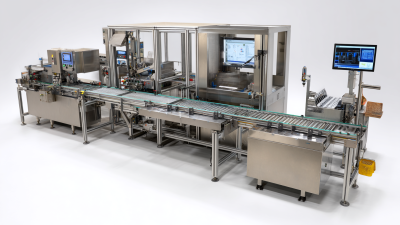
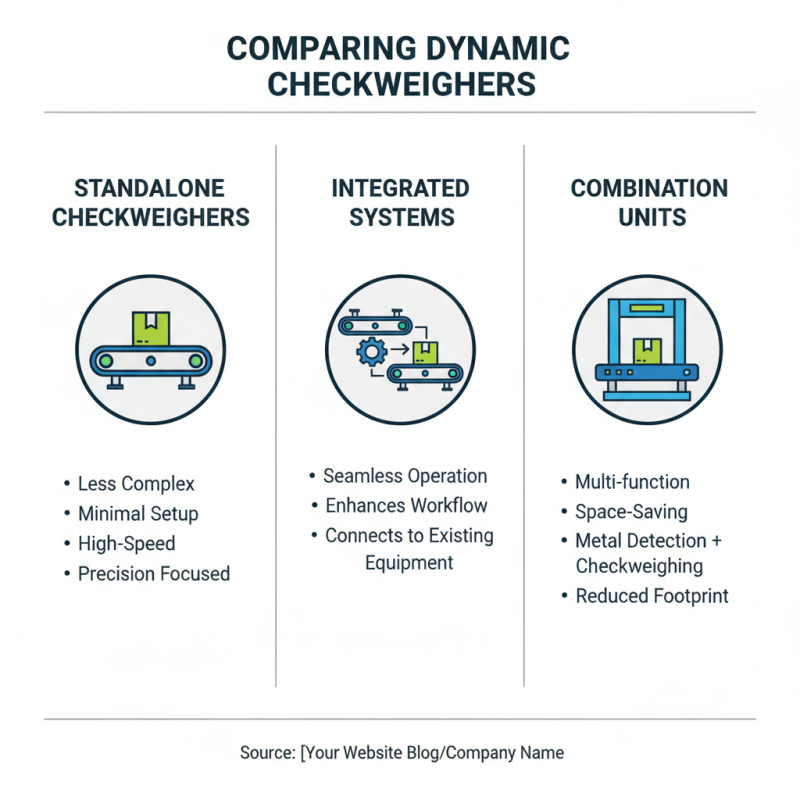
When choosing a dynamic checkweigher, understanding the different types available is critical. There are three main categories: standalone checkweighers, integrated systems, and combination units. Standalone models are often less complex and require minimal setup time. They excel in high-speed environments where precision is essential. Integrated systems, however, provide seamless operation with existing equipment, enhancing workflow efficiency.
A report by the Packaging Machinery Manufacturers Institute indicates that the global market for dynamic checkweighers is projected to grow by 7.2% annually through 2026. This growth highlights the increased demand for accuracy in packaging processes across various industries. Businesses must find units capable of handling their specific product sizes and weights. While some checkweighers are more versatile, they might lack the precision required for niche applications.
Validation of accuracy varies significantly across the market. Many checkweighers offer precision rates of up to 0.1 grams, but maintaining this accuracy over time can be challenging. Regular calibration and maintenance are required to ensure results remain reliable. Investing in a high-quality checkweigher reduces costly errors, but the right choice heavily depends on individual production needs and capacity. Reviewing technical specifications and user feedback is advisable before making a decision.
Evaluating the Accuracy and Reliability of Checkweighing Systems
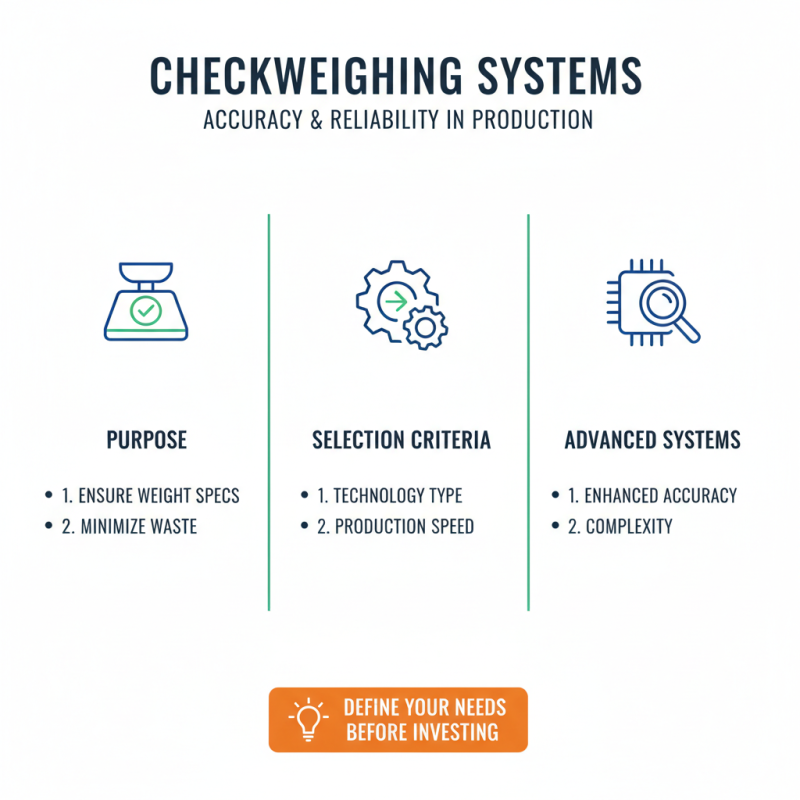
Evaluating the accuracy and reliability of checkweighing systems is crucial for any production process. A dynamic checkweigher helps ensure that products meet weight specifications while minimizing waste. To select the right system, consider the technology used and how it matches your production speed. Advanced systems often have features that enhance accuracy, but they can be complex. It's vital to understand your specific needs before investing.
Tips for evaluating systems include observing their performance in real conditions. Request demonstrations to see how different machines handle various products. The weight tolerance levels offered are also key. Ensure they align with your industry standards. Additionally, consider the ease of use. Complex interfaces can lead to operator errors, undermining reliability.
Look for systems with reliable calibration features. Regular calibration is necessary to maintain accuracy. It’s worth noting that even high-end machines can drift over time. Monitoring their performance regularly is essential. Finally, prioritize systems with robust customer support. Quick access to assistance can be crucial when troubleshooting.
Integration and Maintenance: Ensuring Optimal Performance of Checkweighers
Checkweighers are essential for maintaining product quality and compliance in various industries. However, their effectiveness relies heavily on proper integration and maintenance. Studies indicate that poorly integrated checkweighers can lead to a 20% increase in operational errors. This highlights the importance of customized solutions that fit your production line seamlessly.
Regular maintenance is crucial for checkweighers. Data suggests that companies that implement a preventive maintenance program experience up to 30% fewer breakdowns. Routine checks on calibration, software updates, and mechanical components can prevent costly downtimes. Additionally, training operators to identify minor issues can enhance overall reliability. Ignoring these aspects could lead to unexpected production halts, impacting supply chain efficiency.
While optics and technology are critical, user experience matters too. Many operators report feeling unprepared for troubleshooting. Even straightforward problems can disrupt workflow. It’s vital to ensure that staff are trained and informed about the equipment they manage. Discovering and addressing gaps in knowledge is key to achieving optimal performance with checkweighers.