How to Choose the Best Combination Weighing Machine for Your Needs?
Choosing the right Combination Weighing Machine can significantly impact various industries, from food production to pharmaceuticals. According to a report by MarketsandMarkets, the global market for industrial weighing equipment is expected to reach USD 4.9 billion by 2026, reflecting a growing demand for precision and efficiency. The data indicates that businesses recognize the critical role of accurate weighing in ensuring product quality and compliance.
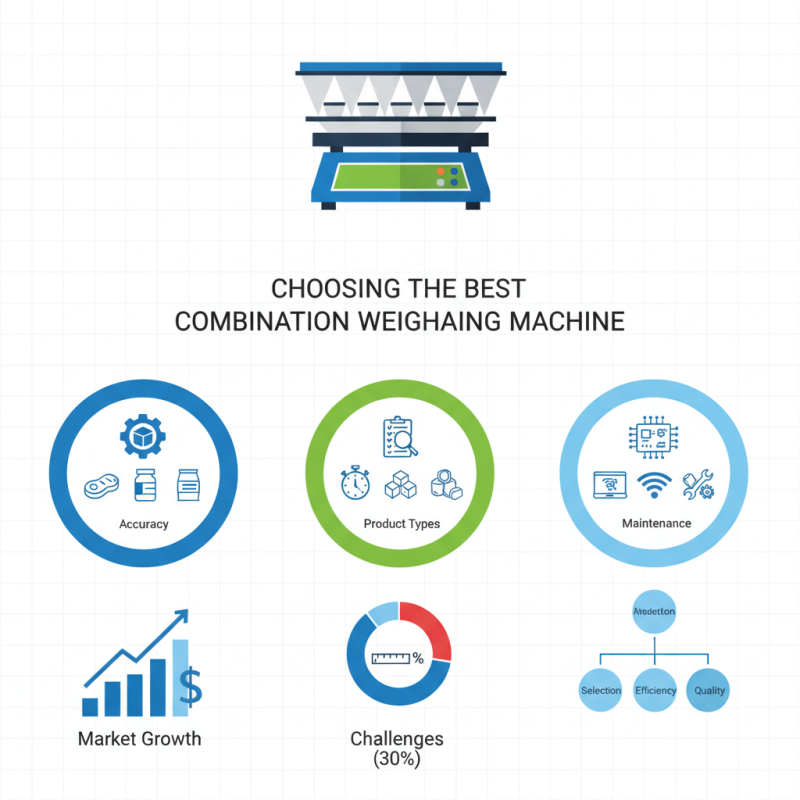
When selecting a Combination Weighing Machine, understanding your specific needs is essential. Factors such as the types of products being weighed, desired accuracy, and operational speed play crucial roles. Not all machines offer the same features, and some may not meet your requirements. Research shows that 30% of companies face challenges with inadequate weighing solutions that hinder production efficiency.
Reflecting on the available technology can also lead to better choices. Modern machines offer improvements, like user-friendly interfaces and connectivity options. However, choosing the wrong model can lead to inefficiencies. Industries might overlook the importance of ongoing maintenance, which can compromise machine performance. Being aware of these nuances is vital in making an informed decision about the best Combination Weighing Machine for your specific applications.
Understanding the Basics of Combination Weighing Machines
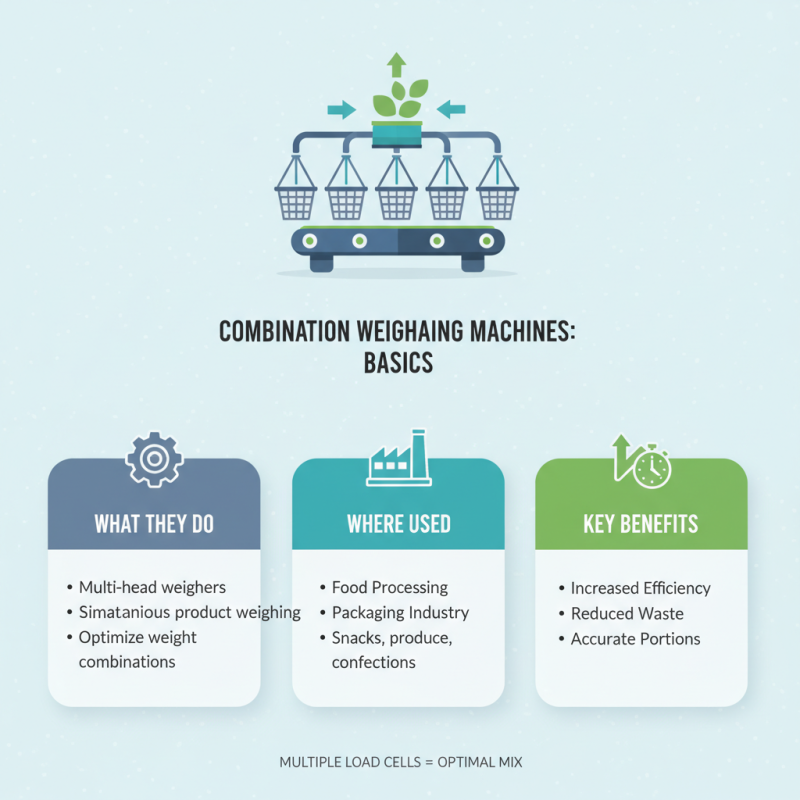
Combination weighing machines play a critical role in various industries, notably in food processing and packaging. Understanding their basics can help you make informed choices. These machines utilize multiple load cells to weigh products simultaneously. The loaded cells quickly assess different weight combinations to find the optimal mix, enhancing efficiency.
According to the latest industry reports, the combination weighing market is expected to grow by more than 5% annually through 2025. This growth is fueled by increased demand for accurate and efficient packaging solutions. A reliable combination weighing machine can improve productivity by reducing weighing time while maintaining precision. This is particularly crucial in industries where weight accuracy significantly impacts cost and compliance.
Tip: Always consider the machine's capacity and accuracy. Machines with higher capacity often provide better performance for bulk tasks. Ensure the machine fits your production speed requirements too. If your needs change, flexibility in machine settings can help.
When choosing a combination weighing machine, think about the technical support and service options. Many users report difficulties in operating advanced machines without adequate training. Reviewing user feedback is essential. Check whether your selected machine is suited for your specific products.
Identifying Your Specific Weighing Needs and Application
When selecting a combination weighing machine, understanding your specific weighing needs is crucial. Consider the type of products you are weighing. Different industries have diverse requirements. A food industry scale might need to handle moisture variations, while a manufacturing scale requires durability. Assessing these particulars can save you time and resources in the long run.
Tips: Identify the maximum weight your machine must handle. This plays a key role in choosing a suitable model. Additionally, consider the space where you will place the machine. A compact design may be necessary for limited spaces.
The precision of the weighing machine is another factor. Some applications may tolerate slight inaccuracies, while others demand high precision. Reflect on your accuracy requirements. Understand the cost implications of higher accuracy machines to align them with your budget. Taking these considerations into account helps you pick a model that genuinely meets your needs.
How to Choose the Best Combination Weighing Machine for Your Needs?
| Feature |
Description |
Recommended Application |
| Maximum Capacity |
The highest weight the machine can handle. |
Industrial Heavy Loads, Pallet Weighing |
| Readability |
The smallest increment a scale can measure. |
Precision Weighing, Laboratory Use |
| Construction Material |
Material used for the weighbridge. |
Food Production, Chemical Industry |
| Display Type |
Type of display for weight readings. |
Retail, Inventory Management |
| Connectivity Options |
Ways to connect the machine to other systems. |
Automated Systems, Data Logging |
| Calibration |
Frequency and method of calibration needed. |
Regulated Industries, Quality Control |
| Size and Footprint |
Physical dimensions of the weighing machine. |
Limited Space Facilities, Mobile Use |
Key Features to Look for in a Combination Weighing Machine
When choosing a combination weighing machine, consider its precision and speed. The ideal machine should boast a minimum accuracy of 0.1 grams. Research shows that even small inaccuracies can lead to cost inefficiencies of up to 2% in high-volume operations. Speed is equally crucial; many businesses need machines capable of processing 60 packs per minute or more.
Material quality matters. Look for machines made from stainless steel. This not only ensures durability but also facilitates easier cleaning. The right machine should also have a user-friendly interface. A complex interface can lead to increased training costs and user errors.
Tips: Assess your product types before making a choice. Different products, like powder or solid items, may require different weighing technologies. Evaluate the machine's compatibility with existing packaging systems. Ensure it integrates smoothly to avoid workflow disruptions. Regular maintenance will minimize unexpected downtime and prolong the machine’s lifespan.
Assessing the Quality and Reliability of Weighing Machines
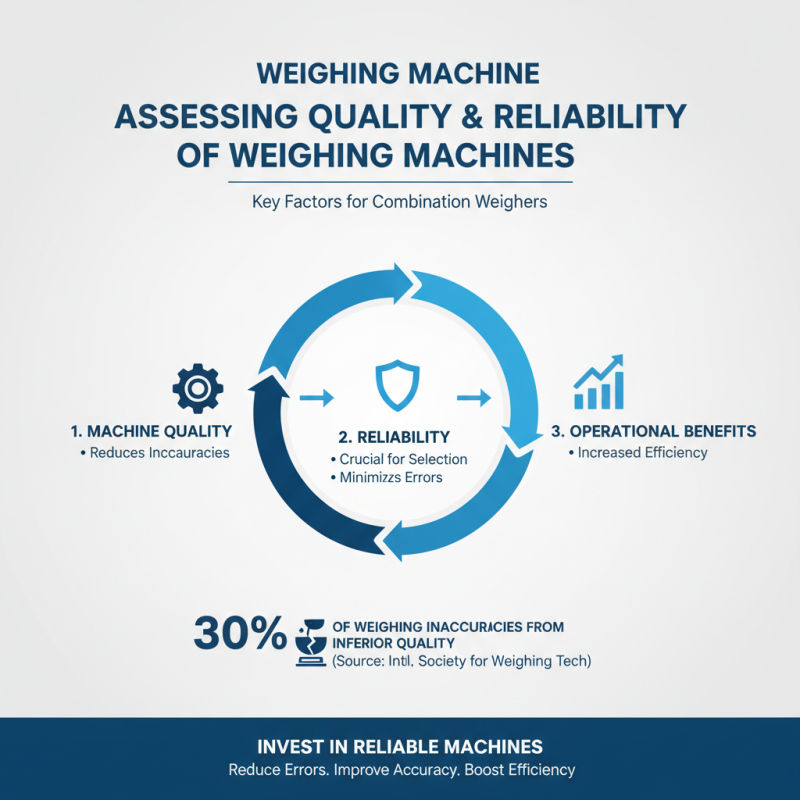
When selecting a combination weighing machine, quality and reliability are crucial. A study by the International Society for Weighing Technology reported that 30% of weighing inaccuracies stem from inferior machine quality. Investing in reliable machines can significantly reduce operational errors.
Durability is another essential factor. Weighing machines experience wear and tear. According to the International Organization for Standardization, high-quality machines can last up to 10 years with proper maintenance. However, many users overlook routine checks, leading to compound issues over time.
User feedback is also vital. Over 50% of users cite ease of use as a top priority when evaluating machines. Reliability should not only refer to performance but also to service and support. Some users found that less popular brands provided consistent reliability at lower costs, although their service response times could be slower. Balancing these aspects requires a careful evaluation of needs and potential compromises.
Budget Considerations When Selecting a Combination Weighing Machine
When selecting a combination weighing machine, budget plays a crucial role. Equipment can vary widely in price. Before making a decision, consider your specific needs. Analyze the features you require most. Do you need advanced technology or is basic functionality enough?
Tips: Assess your long-term usage. A more expensive model might offer better durability. Think about maintenance costs. Cheaper machines may need repairs sooner. This could offset initial savings.
Flexibility in budget can impact your choices. You might face trade-offs between quality and price. It's essential to prioritize features that align with your operations. Don't overlook warranty offers. A good warranty can add value. Reflect on how often you’ll use the machine. A high-volume operation might warrant a larger investment.
Comparison of Different Combination Weighing Machines