China Top Rotating Collection Table Features and Trends in Design?
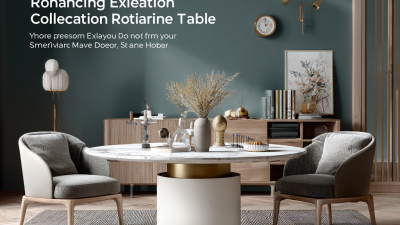
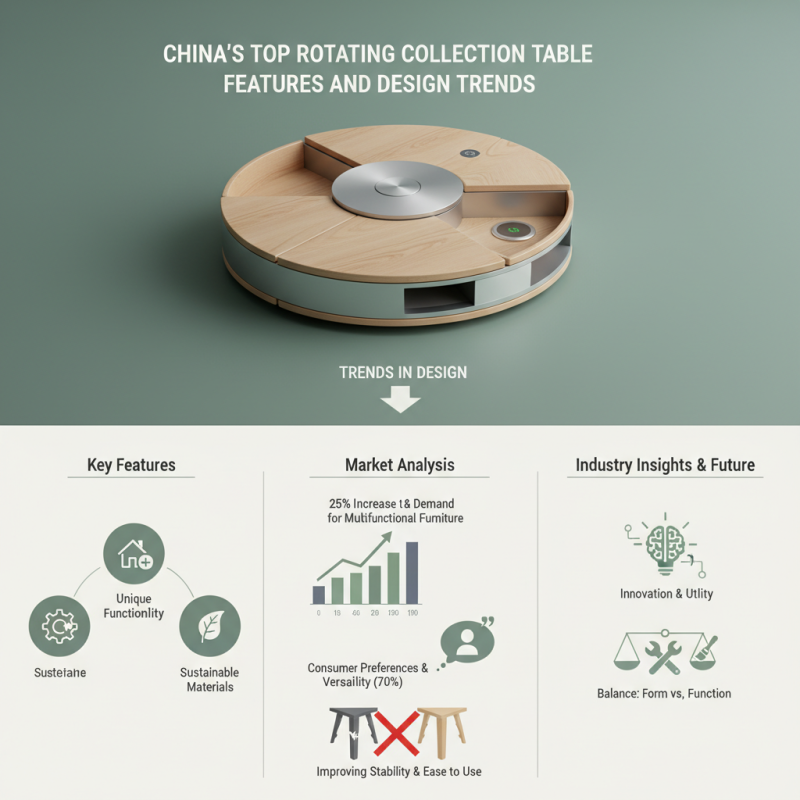
The "Rotating Collection Table" has emerged as a key player in modern furniture design. Its unique functionality caters to both aesthetic appeal and practicality. Recent market analysis shows a 25% increase in demand for multifunctional furniture. This trend reflects today's fast-paced lifestyle, where space is a premium. Industry expert, Dr. Emily Chen, emphasizes, "The Rotating Collection Table marries innovation with utility, transforming how we experience our homes."
Design trends indicate a shift towards sustainable materials. Many manufacturers are now using eco-friendly resources in their tables. This not only enhances the product's appeal but also aligns with consumer values. However, some designs compromise durability for style, raising questions about longevity. As the market diversifies, it's essential to find a balance between form and function in the "Rotating Collection Table."
Understanding consumer preferences is vital. Surveys reveal that 70% of buyers value versatility in their furniture. Many seek tables that are not merely functional but also serve as statement pieces. Despite the advancements, some designs still fall short, lacking adequate stability or ease of use. This calls for continuous innovation and reflection within the industry to elevate the standards of the "Rotating Collection Table.
Overview of Rotating Collection Tables in China
In recent years, rotating collection tables in China have gained popularity among collectors and interior designers. These tables are not just functional but also serve as artistic statement pieces. According to a report by Market Research Future, the demand for innovative furniture designs has increased by approximately 15% annually. Rotating tables allow for easy access to displayed items while enhancing room aesthetics.
When examining design trends, minimalism plays a significant role. Clean lines and subtle finishes often dominate this style. However, incorporating bold colors and unique materials is also on the rise. Traditional elements are blended with modern designs, making these tables versatile. This trend shows that while simplicity is important, personality and character should not be sacrificed.
Tips: Consider the placement of your rotating table. Ensure that it complements the surrounding decor. Also, think about the types of items to display. They should reflect your personality and story. Balance is key; too many items can create clutter.
The market continues to evolve. Yet, many designs still lack functionality and practicality. Some tables look stunning but don’t provide adequate storage or stability. It’s essential for designers to address these aspects while remaining stylish. Quality and durability should guide the creative process.
Key Design Features of Chinese Rotating Collection Tables
Rotating collection tables in China showcase a blend of functionality and elegance. These pieces are designed not just for aesthetics but also for enhancing user experience. Key design features include a multi-tier structure that allows for effortless accessibility. These tables are often crafted from high-quality materials, emphasizing durability and style. According to the Chinese Furniture Association, the domestic market for such tables is expected to grow by approximately 7% annually over the next five years.
One notable trend is the incorporation of smart technology. Some models now come with integrated wireless charging pads or Bluetooth speakers. This intersection of traditional craftsmanship and modern technology makes these tables not just furniture but lifestyle accessories. A report from Statista indicates that consumer interest in multifunctional furniture is rising, which indicates a shift toward designs that cater to diverse needs.
When selecting a rotating collection table, consider how it fits your lifestyle. Ensure it complements your existing decor. Think about the size and shape that works best for your space. Remember to check the rotation mechanism. A smooth operation is crucial for ease of use. Small details matter, and imperfections in craftsmanship might impact the overall user satisfaction.
China Top Rotating Collection Table Features and Trends in Design
| Feature |
Description |
Material |
Design Trend |
Price Range (USD) |
| Rotating Mechanism |
Smooth 360° rotation for easy accessibility |
Steel and Wood |
Functional Aesthetics |
150 - 300 |
| Sustainability |
Use of eco-friendly materials |
Bamboo, Recycled Materials |
Eco-Conscious Design |
200 - 450 |
| Elegance |
Sophisticated style with intricate details |
Glass, Marble |
Luxury Interiors |
500 - 1000 |
| Compact Design |
Space-saving options for modern living |
Composite Wood |
Minimalist Trends |
100 - 250 |
| Customization |
Personalized size and finish options |
Various Hardwoods |
Tailored Furniture |
300 - 700 |
Materials and Craftsmanship in Modern Collection Tables
In the dynamic world of modern furniture design, collection tables in China have taken center stage, showcasing innovative materials and craftsmanship. Designers are increasingly experimenting with natural materials like bamboo, walnut, and glass. Each collection table reflects a delicate balance of traditional techniques and modern aesthetics. For instance, hand-carved wooden legs paired with tempered glass tops create a striking visual appeal.
The craftsmanship behind these collection tables often includes intricate joinery techniques that provide both strength and elegance. This meticulous attention to detail ensures that each piece is unique, celebrating imperfections that make it one of a kind. The fusion of artisanal skills and contemporary trends results in tables that are not just functional but also conversational pieces.
Moreover, sustainability is becoming a crucial aspect of design. Many makers are sourcing reclaimed wood and eco-friendly materials, reducing environmental impact. While this shift is noteworthy, there are challenges in ensuring both quality and sustainability. Designers must balance aesthetics with ethical considerations. As trends evolve, the push for innovation will shape the future of collection tables in meaningful ways.
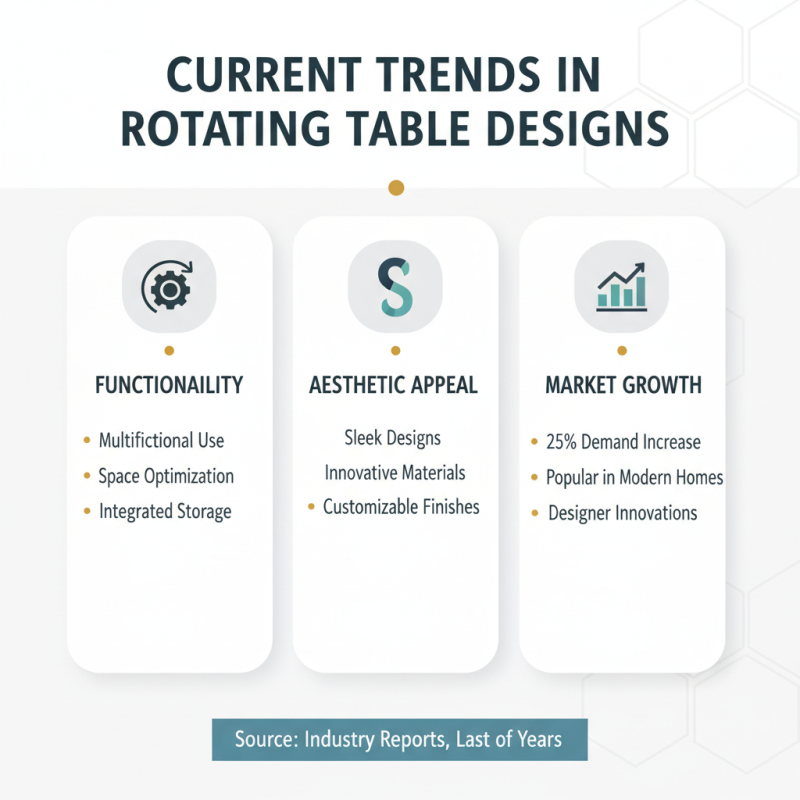
Current Trends in Rotating Table Designs
Rotating tables have gained immense popularity in modern interior design. Current trends highlight their functionality and aesthetic appeal. Recent industry reports indicate that the demand for multifunctional furniture has surged by 25% over the past two years. Designers are reimagining traditional rotating tables, infusing them with innovative materials and sleek designs.
Natural wood and metal combinations are prevalent. These materials not only provide durability but also enhance the visual appeal. The use of sustainable resources has increased, reflecting a growing consciousness about the environment. Reports suggest that more than 40% of consumers prefer eco-friendly products. Despite these trends, some designs may lack individuality, leading to concerns about uniformity in the marketplace.
As rotating tables transform, they face challenges. Many designs struggle to balance form and function. Aesthetic choices can sometimes compromise practicality, which may frustrate consumers. Industry experts emphasize the need for ongoing innovation to create more unique and user-friendly options. This dynamic landscape continually evolves, pushing designers to explore new possibilities for rotating tables.
Cultural Significance of Rotating Tables in China
In Chinese culture, rotating tables are integral to dining experiences. These tables symbolize unity and equality. They allow everyone to share dishes easily. The ability to rotate promotes a sense of togetherness during meals. According to a recent industry report, the global demand for rotating tables has increased by 15% in the last five years, reflecting their cultural significance.
The design of these tables often blends tradition with modern aesthetics. Materials like wood and glass are popular, showcasing craftsmanship. Colorful decorations often tell stories of heritage. Interestingly, many families opt for custom designs that reflect unique legacies. However, there is a growing concern about sustainability. The use of non-eco-friendly materials raises questions about responsible design.
Tips: When choosing a rotating table, consider its material and design carefully. Opt for options that reflect your values and heritage. Prioritize eco-friendly choices to contribute to sustainability. This ensures that your table holds not only aesthetic value but also significance in preserving culture.