2026 Best Fruit Sorting Machine for Global Buyers?
In the competitive world of fruit processing, choosing the right Fruit Sorting Machine is crucial for success. Industry expert John Suárez states, “The efficiency of a fruit sorting machine can dramatically impact your production quality.” This underscores the importance of selecting an optimal machine for your needs.
Many buyers are searching for the best options available in 2026. The market is filled with various models, each with its advantages and limitations. Not every machine will meet specific business requirements. Understanding these differences is essential for making informed decisions. Buyers must consider factors like capacity, speed, and technology.
Discussions abound regarding the latest advancements in fruit sorting technology. However, much of it overlooks the real-world challenges faced by businesses. There is no one-size-fits-all solution. An ideal machine for one producer might not align with another's goals. Reflection on these aspects is vital for effective purchasing decisions.

Overview of Fruit Sorting Machines in 2026
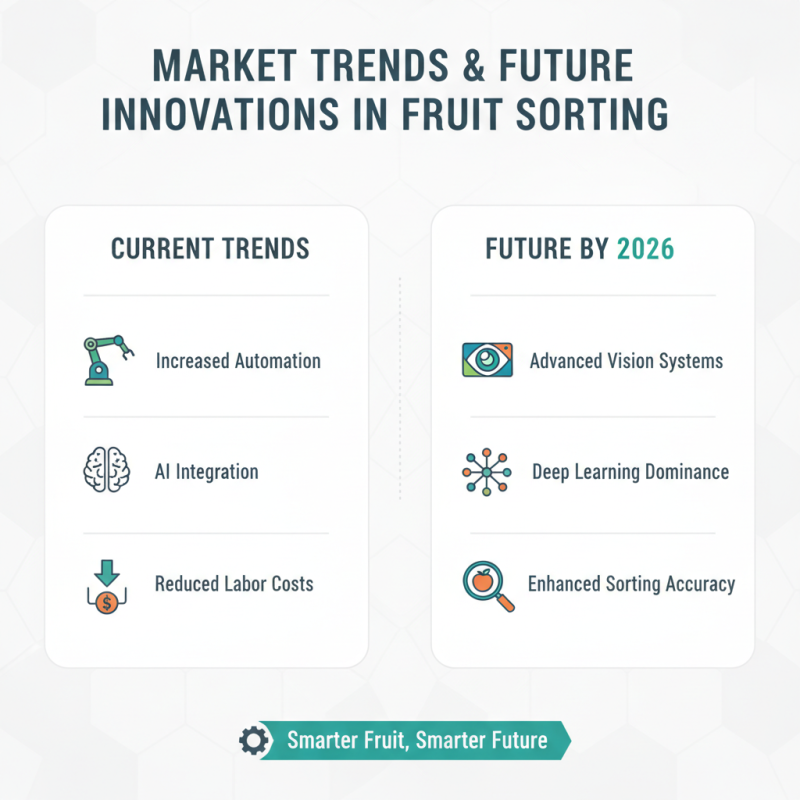
In 2026, the market for fruit sorting machines continues to evolve. The global fruit sorting machine market is projected to reach $1.2 billion by 2026, with a compound annual growth rate (CAGR) of 6.2%. This growth reflects the increasing demand for high-quality produce and the need for efficiency in the supply chain. Advanced technologies, including machine learning and AI, are now integrated into sorting equipment, allowing for greater accuracy in the categorization of fruits based on size, color, and ripeness.
With more buyers seeking effective solutions, it's critical to understand the challenges in the industry. Many manufacturers face difficulties in sourcing fresh, affordable technology. Reports indicate that 40% of growers still rely on manual sorting, leading to higher labor costs and inconsistent quality. This gap presents opportunities for innovation. Investing in more efficient sorting machines can help producers stay competitive. However, the initial financial outlay for such systems can be daunting.
Consumer preferences are also shifting. There is rising awareness about the sustainability of fruit production. Buyers are keen on machines that not only sort but also minimize waste. Yet, there are ongoing concerns regarding the compatibility of these machines with diverse fruit varieties. Balancing quality and efficiency remains a complex issue. The journey towards optimal fruit sorting technology is far from perfect, highlighting a need for constant reevaluation of methods and strategies in this sector.
2026 Best Fruit Sorting Machine for Global Buyers
| Model |
Sorting Capacity (kg/h) |
Accuracy (%) |
Technology Type |
Price Range ($) |
| FS-100 |
1000 |
98 |
Optical |
$15,000 - $20,000 |
| FS-200 |
2000 |
95 |
Laser |
$25,000 - $30,000 |
| FS-300 |
1500 |
97 |
Multi-sensor |
$20,000 - $25,000 |
| FS-400 |
2500 |
99 |
Cameras |
$30,000 - $40,000 |
| FS-500 |
3000 |
96 |
AI-based |
$35,000 - $45,000 |
Key Features to Look for in Fruit Sorting Machines
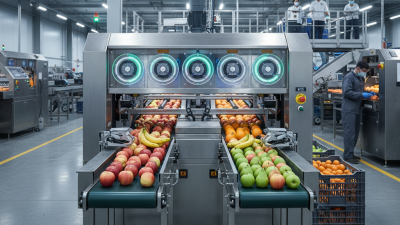
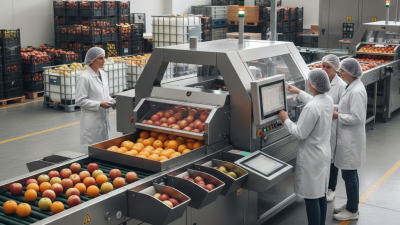
When looking for a fruit sorting machine, several key features can enhance efficiency and accuracy. The machine should have advanced optical sorting technology. This technology uses cameras and sensors to identify defects in fruit. Such precision ensures only quality fruits reach consumers. Additionally, a user-friendly interface is crucial. Operators must adapt easily, as complex systems can lead to errors or downtime.
Capacity is another critical consideration. A machine should handle various fruit types and sizes, allowing for versatility. Similarly, speed matters. Faster sorting reduces labor costs and increases productivity. Maintenance features are essential as well. Regular upkeep guarantees longevity and performance consistency.
It's important to consider the machine's energy consumption. Efficient energy use reflects a commitment to sustainability. However, not all machines are created equal. Buyers must research performance history and customer feedback to gauge reliability. A seemingly perfect machine might have hidden flaws. Therefore, evaluating a machine's real-world application is wise. Taking the time to reflect on these factors ensures a well-informed decision.
Top Manufacturers of Fruit Sorting Machines Globally
The fruit sorting machine industry is evolving rapidly. According to a recent market report, the global market for these machines is expected to grow at a compound annual growth rate (CAGR) of around 7% from 2022 to 2027. This growth is driven by an increase in fruit consumption and advances in sorting technology.
Top manufacturers are emerging from various regions, focusing on innovative solutions. They integrate artificial intelligence and machine learning into sorting systems. These technologies enable more precise sorting, reducing waste. A report by industry analysts indicates that efficiency improvements can reach as high as 30% with these advanced systems.
However, not all advancements come without challenges. Many companies face issues with the integration of new technologies into existing workflows. Training staff to operate sophisticated machines can be time-consuming. In addition, balancing cost and quality remains a critical concern. Despite these hurdles, the push for smarter sorting solutions continues, reflecting a commitment to higher standards in fruit quality and consumer satisfaction.
Comparative Analysis of Various Sorting Technologies
As the demand for fresh fruit continues to rise, the need for efficient sorting technologies becomes crucial for suppliers. The fruit sorting process directly impacts fruit quality, marketability, and consumer satisfaction. An industry report from the Food and Agriculture Organization estimates that up to 40% of harvested fruits are wasted due to improper sorting and handling.
Recent advancements in sorting technology offer several options, including optical sorting, weight-based sorting, and mechanical sorting. Optical sorters use high-resolution cameras and sensors to analyze size, color, and overall quality. They can identify defects that are invisible to the naked eye, improving the accuracy of the sorting process. In contrast, weight-based systems rely on the weight of fruits to categorize them, which may not be as effective for assessing quality alone. This variability raises questions about the full effectiveness of weight-based sorting.
Moreover, integrating AI into sorting technology is becoming increasingly popular. AI can enhance the precision of sorting by learning from past data and improving decision-making processes. However, the implementation of AI in sorting machines poses challenges. For instance, the initial costs can deter smaller producers from investing in such technology. These dilemmas highlight the need for further research to ensure that sorting solutions are not only advanced but also accessible for all growers.