2026 Best Electronic Balance Reviews and Buying Guide?
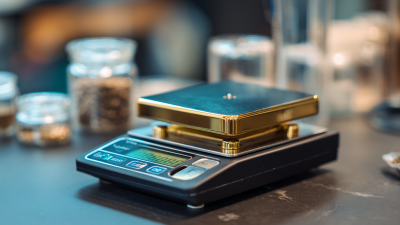
In the world of precision measurement, electronic balances play a vital role. Experts agree on their importance. Dr. Jane Smith, a renowned specialist in analytical instruments, states, "Choosing the right electronic balance can greatly enhance accuracy in your work." For professionals and hobbyists alike, the selection of an electronic balance goes beyond mere convenience.
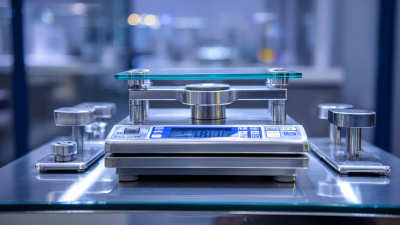
When searching for the best electronic balance, consider factors like capacity, readability, and functionality. Each balance offers unique features that cater to different needs. A balance meant for a laboratory may differ significantly from one designed for industrial use. With so many options available, making the right choice can feel overwhelming. The market is vast and complex, with each model touting its advantages.
However, potential pitfalls exist. Some products may not deliver on their promises. Quality assurance issues can arise, leading to discrepancies in measurements. It’s essential to reflect on user reviews and expert recommendations before making a decision. The right electronic balance must align with your specific requirements, ensuring reliability in your measurements.
Overview of Electronic Balances: Types and Applications
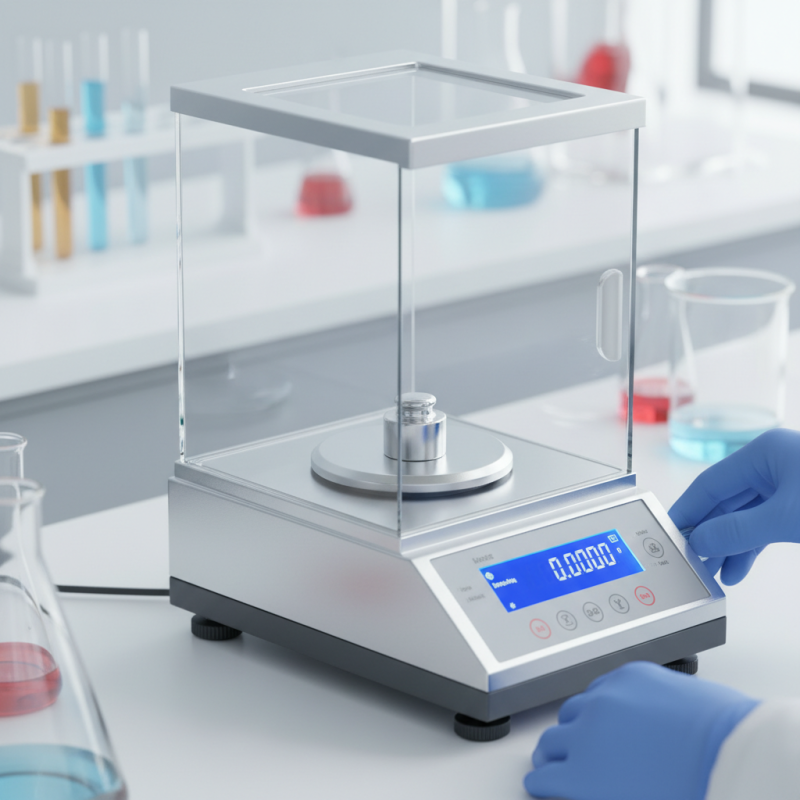
Electronic balances are essential tools widely used in laboratories, kitchens, and industrial settings. They come in various types, each designed for specific applications. The most common types include analytical balances, precision balances, and top-loading balances. Analytical balances are known for their accuracy. They can measure mass with a precision of 0.0001 grams. This level of detail is crucial for scientific research.
Precision balances, on the other hand, are suitable for general laboratory use. They often have a capacity of several kilograms and can measure with a precision of 0.01 grams. These balances strike a good balance between accuracy and usability. Top-loading balances offer the convenience of quick measurements. They are user-friendly and ideal for repetitive weighing tasks. Their accuracy may not match that of analytical balances but is adequate for many applications.
Choosing the right type of electronic balance can be challenging. Understanding the specific needs of your application is essential. For example, an analytical balance may be unnecessary for a simple food preparation task. Likewise, a top-loading balance might not suffice for a sensitive chemical experiment. Weighing requirements vary greatly. It's important to reflect on the environment and purpose before making a purchase. Consider factors like maximum weight, readability, and features that could enhance usability.
Key Features to Consider When Choosing an Electronic Balance
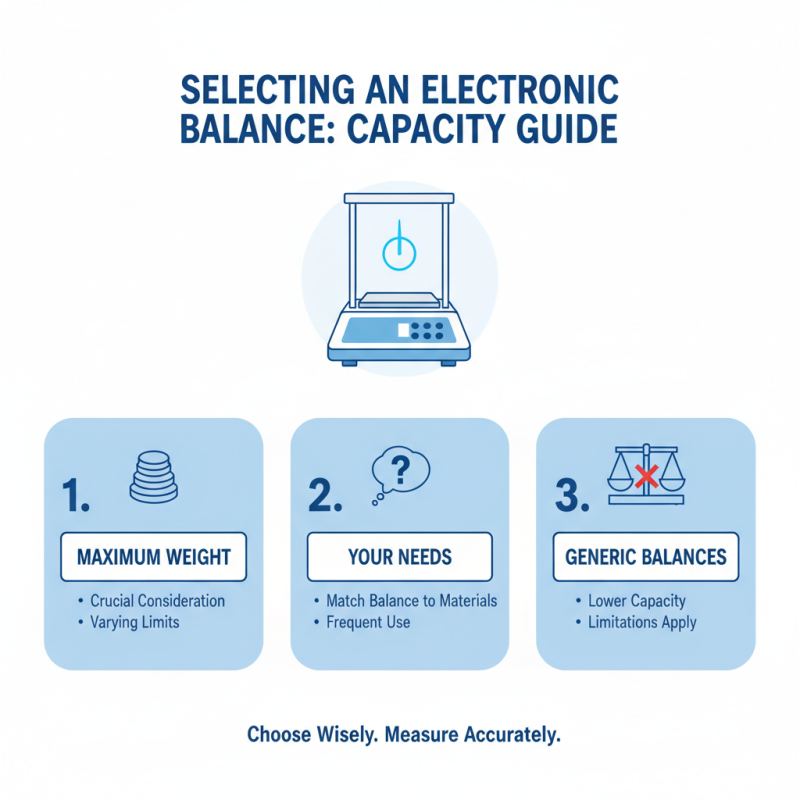
When selecting an electronic balance, consider the capacity. The maximum weight it can measure is crucial. Different balances have varying limits, so choose one that meets your needs. Generic balances may have lower capacities. Think about what materials you'll weigh most often.
Another important feature is readability. Digital displays should be easy to read. Some balances offer backlit screens for better visibility. Check the units available too. Common options include grams, ounces, and pounds. You want versatility in measurement.
Calibration is something to reflect on. Regular calibration ensures accuracy over time. Some balances come with built-in calibration features. Look for balance models that simplify this process. An intuitive interface can make a big difference. If you're not tech-savvy, complex options might frustrate you. Assess your comfort level with technology before making a decision.
Top Brands and Models for Electronic Balances in 2026
When looking for the best electronic balances in 2026, several top brands stand out. These models offer precision and reliability for various applications. From laboratories to cooking, the right balance makes a difference. You want a product that delivers consistent readings. Some balances feature touchscreens, making navigation easier. Others have compact designs, fitting snugly on small countertops.
Durability matters, too. Many balances endure heavy use without sacrificing accuracy. It's disheartening when a model breaks easily. Some reviews highlight instances where balances fail after minimal use. This is a red flag when selecting a product.
Accuracy is key for all tasks. Some buyers notice discrepancies in readings, leading to frustration. It's crucial to choose a balance that has excellent calibration features. Look for user-friendly options that minimize setup time. Consider weight capacity as well; not all tasks require high limits. A balance that fits your needs can help you achieve better outcomes.
Comparison of Accuracy and Precision in Electronic Balances
When it comes to electronic balances, accuracy and precision are key factors that determine their performance. Accuracy refers to how close a measurement is to the actual value. Precision, on the other hand, indicates how consistently a balance can reproduce that measurement. A highly accurate balance may not always be precise, and vice versa. This distinction is crucial when selecting the ideal balance for specific applications.
For laboratory work, findings can change based on even slight variations in measurements. Balances that display significant discrepancies between repeated measurements can lead to flawed data. It’s essential to choose models that not only offer impressive specifications but also demonstrate reliability over repeated use.
**Tips:** Always calibrate your electronic balance before use. This ensures the measurements are as accurate as possible. Regular maintenance checks can help identify any inconsistencies. Testing balances under various conditions can highlight their limitations. Understanding these aspects will ultimately guide you in making an informed choice. Balances that seem perfect may have hidden flaws.
Comparison of Accuracy and Precision in Electronic Balances
Maintenance Tips for Longevity of Your Electronic Balance
Maintaining the longevity of an electronic balance is crucial for consistent results. Regular calibrations are essential. Industry standards, like those from ISO/IEC 17025, recommend calibrating balances at least once a year. Yearly calibrations ensure accuracy and help identify potential issues early. Small errors can compound over time, impacting your measurements.
Cleaning is another vital aspect. Dust and spills can affect performance. Manufacturers often suggest using a soft, lint-free cloth. Avoid harsh chemicals. Even minor residue can alter weight readings. It's essential to be thorough but gentle during cleaning. Inspect the balance regularly for wear and tear. Visual checks can help catch issues that affect precision.
Finally, environment plays a significant role. Vibrations and drafts can disrupt readings. A stable surface is ideal, keeping the balance in a controlled environment. Temperature and humidity should also remain stable. According to research by the American Society for Testing and Materials, a small temperature variation can lead to significant measurement errors. Taking these factors into account can improve the lifespan of your electronic balance and ensure reliable performance.
2026 Best Electronic Balance Reviews and Buying Guide
| Model |
Capacity (g) |
Readability (g) |
Accuracy (g) |
Price ($) |
Maintenance Tips |
| Model A |
3000 |
0.1 |
±0.2 |
150 |
Regular calibration, avoid moisture. |
| Model B |
2000 |
0.01 |
±0.01 |
200 |
Keep away from vibrations, clean surfaces regularly. |
| Model C |
5000 |
0.1 |
±0.5 |
120 |
Avoid extreme temperatures, perform routine checks. |
| Model D |
1000 |
0.01 |
±0.02 |
180 |
Store in a stable environment, clean after use. |