Top 5 Best Analytical Balance Devices for Precise Measurements?
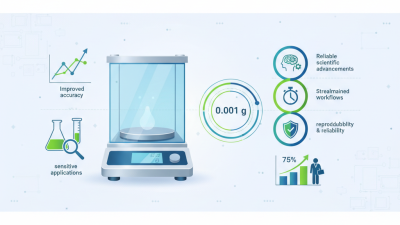
In the realm of scientific measurement, precision is critical. Analytical balances stand as the cornerstone for achieving accuracy in laboratories. Recent industry reports suggest that the demand for precise measurement tools has increased by over 25% in the past five years. This rise correlates with advancements in research across pharmaceuticals and material sciences, where even the slightest error can lead to significant discrepancies in results.
An analytical balance typically measures mass with a sensitivity of 0.1 mg or better. These devices help ensure the reliability of experiments, especially in fields demanding meticulous data. Most leading manufacturers focus on enhancing calibration and weighing capabilities, yet some balances still face challenges in consistent performance.
Choosing the right analytical balance can profoundly impact your results. Some devices may lack user-friendly interfaces or adequate calibration features, which are crucial for accuracy. As we explore the top five analytical balance devices, we must consider factors like precision, durability, and ease of use. The objective is to highlight options that align with both industry standards and user expectations.
Understanding Analytical Balances: Key Features and Specifications
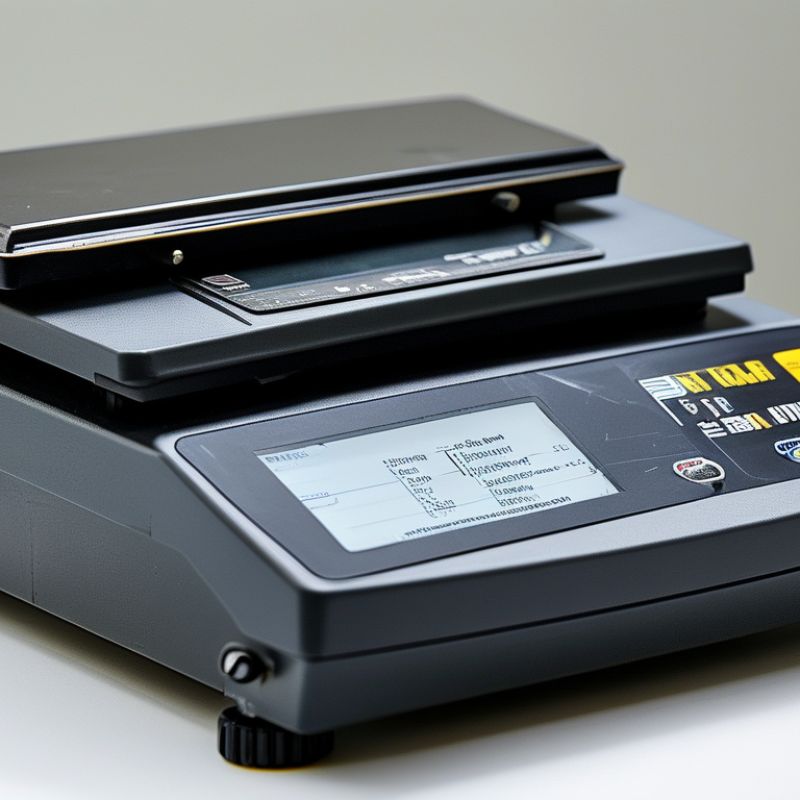
Analytical balances are essential tools for precise measurements in laboratories and research facilities. Their ability to weigh small samples with high accuracy is crucial for experiments. A good analytical balance should have a readability of 0.1 mg or better, which is often found in commercial models. According to a report by the International Society for Precision Engineering and Nanotechnology, advances in microbalance technology allow for measurements down to the nano gram level, increasing both accuracy and reliability.
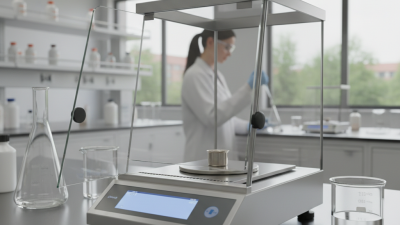
Key features of analytical balances include draft shields, internal calibration, and weighing pans made of durable materials. For instance, a draft shield can help minimize the effect of air currents, which can skew results. Moreover, the design must also facilitate easy cleaning and maintenance. Some balances come with advanced connectivity options, enabling data transfer to computers. Notably, a study by Analytical Chemistry showed that improper calibration can lead to measurement errors of up to 0.5%, underscoring the importance of regular maintenance and user training.
Weight capacity is another critical specification. Most analytical balances can handle samples weighing up to 200 g, though some can accommodate larger loads. Balances should also be placed on stable surfaces to avoid vibrations that can affect accuracy. It's vital to consider the environment where these devices are used, as humidity and temperature fluctuations can pose challenges. Regular monitoring and adjustment to these conditions are essential for maintaining measurement integrity.
Factors to Consider When Choosing an Analytical Balance
When choosing an analytical balance, several factors come into play. Precision is paramount. The readability of the balance is crucial. It is best to select a device with a readability of 0.0001 grams for sensitive measurements. Another important aspect is stability. A balance that experiences fluctuations may compromise accuracy. Look for models with built-in features that enhance stability during weighing processes.
Consider the environment where the balance will be used. Humidity and temperature can affect results. Choose a balance equipped with draft shields, especially for lab settings. Additionally, user interface is key. Intuitive controls help reduce errors during operation. Select a device that allows easy navigation of functions.
Tips: Regular calibration is essential for accurate measurements. Find out how often calibration should occur. Also, ensure the surface where the balance sits is level and solid. Minor adjustments can lead to major differences in results. Keep the balance clean to prevent interference. Regular maintenance can help avoid costly mistakes.
Review of the Top 5 Analytical Balance Devices for Precision
When selecting analytical balance devices, precision is key. The right balance can drastically affect your measurements. Reports indicate that even minor discrepancies can lead to significant errors in scientific research. An analytical balance should provide readability up to 0.1 mg or better. This level of precision is vital in fields like chemistry and biology, where accuracy matters.
Many balances now come equipped with advanced features. These include automatic calibration and temperature compensation. Such features enhance reliability and ensure consistent results. However, some devices may still struggle with external factors like vibrations or airflow. These influences can compromise measurements, highlighting the importance of proper placement and environment in analytical labs.
User reviews reveal that not all models perform equally. While some balances excel in specific settings, others may falter, leading to frustrations. It is crucial to analyze user feedback to determine the best fit for your laboratory's needs. Engineers continually improve these devices, but challenges remain. Choosing the right analytical balance requires careful consideration and awareness of limitations.
Top 5 Best Analytical Balance Devices for Precise Measurements
| Model |
Capacity (g) |
Readability (mg) |
Linearity (mg) |
Price Range ($) |
| Analytical Balance A |
220 |
0.1 |
0.2 |
500-700 |
| Analytical Balance B |
310 |
0.01 |
0.3 |
750-900 |
| Analytical Balance C |
150 |
0.1 |
0.15 |
400-600 |
| Analytical Balance D |
220 |
0.1 |
0.25 |
600-800 |
| Analytical Balance E |
300 |
0.01 |
0.2 |
800-1000 |
Comparison of Accuracy and Performance in Leading Analytical Balances
When selecting an analytical balance, accuracy and performance are crucial. These devices measure small mass changes, making precision necessary. The top balances feature advanced technology, ensuring reliable results in laboratories or production environments. Factors like sensitivity and stability play vital roles in determining a balance’s effectiveness.
Tips: Always calibrate your analytical balance before use. This ensures your measurements remain consistent. Make sure the balance is leveled properly. Small misalignments can lead to significant errors.
Another aspect to consider is environmental conditions. Temperature fluctuations and vibrations can affect measurements. A dedicated space for your balance can enhance stability. Regular maintenance is essential for longevity and accuracy.
In this realm, even the best devices can have limitations. Understanding the specifics of your analytical balance can help in navigating occasional discrepancies. Enhanced knowledge leads to improved outcomes in critical experiments.
Maintenance and Calibration Tips for Optimal Analytical Balance Use
Proper maintenance and calibration of analytical balance devices are crucial for achieving accurate measurements. Regular calibration ensures that the balance adheres to industry standards. According to a recent report by the International Journal of Metrology, poorly calibrated balances can lead to measurement errors of more than 5%, significantly impacting experimental results. Regular checks against certified weights, ideally every month, can help maintain precision.
Cleaning is another vital aspect of balance maintenance. Dust and spills can affect performance. A hygienic work environment can reduce the need for frequent recalibration. Industry experts recommend a cleaning routine that involves using a soft brush and lint-free cloth. This process should be performed after each use to ensure optimal performance. Additionally, it’s essential to keep the balance away from drafts, vibrations, and temperature fluctuations. The American Society for Testing and Materials (ASTM) highlights that these factors can introduce systematic errors, affecting replicability.
Lastly, operators should be well-trained in balance handling. Misuse or failure to follow operating procedures may lead to inaccurate results. Studies indicate that improper usage can increase error margins significantly. Continuous training and reminders about proper handling techniques can benefit lab consistency. Encouraging a culture of meticulousness cultivates better research outcomes.
Top 5 Best Analytical Balance Devices for Precise Measurements