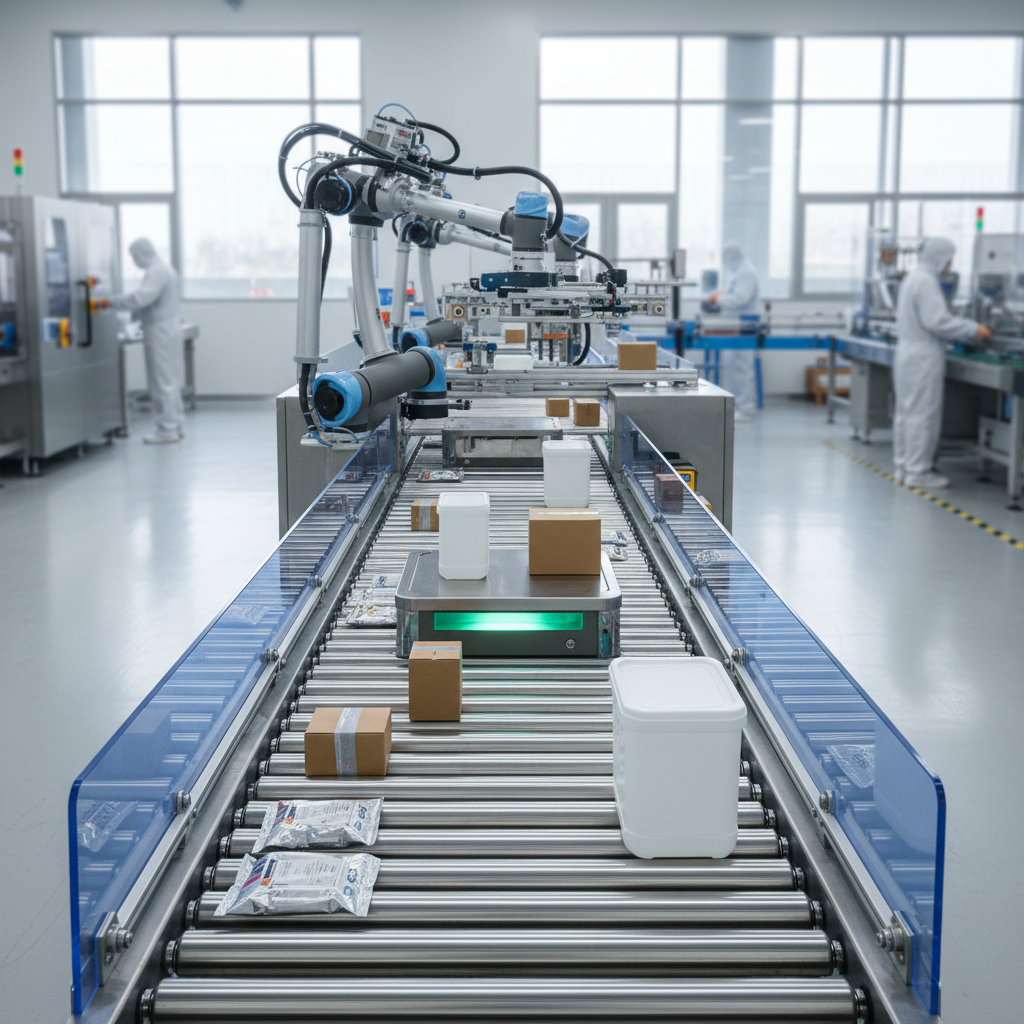
Top 5 Benefits of Using Roller Checkweighers in Modern Manufacturing
In the rapidly evolving landscape of modern manufacturing, precision and efficiency have become paramount. As companies strive to enhance product quality and streamline operations, the adoption of advanced technology is inevitable. One such innovative tool that has significantly transformed material handling and quality control processes is the Roller Checkweigher. According to a recent report by the Manufacturing Automation Institute, the implementation of checkweighing systems has led to a 15% increase in production efficiency and a 20% reduction in product wastage across industries.
Experts in the field, such as Dr. Emily Carter, a leading authority on manufacturing technologies, emphasize the importance of these systems, stating, "Roller Checkweighers not only facilitate real-time monitoring of product weight but also enhance compliance with regulatory standards, ensuring that manufacturers deliver consistent and compliant products." With the increasing demand for precision in product specifications, integrating Roller Checkweighers into production lines stands out as a strategic move to bolster operational performance.
In this context, we will explore the top five benefits of using Roller Checkweighers in modern manufacturing, illustrating how these systems can drive quality assurance, reduce costs, and ultimately elevate competitive advantage in the marketplace.

Enhancing Accuracy: How Roller Checkweighers Improve Product Weight Verification
In modern manufacturing, the precision of product weight verification has become increasingly critical. Roller checkweighers play a crucial role in enhancing accuracy by providing real-time weight data throughout the production process. By employing advanced sensors and high-speed conveyor systems, these devices ensure that each product meets specified weight standards before it is packed and shipped. This reduces the risk of underweight or overweight items, which can lead to customer dissatisfaction and increased costs due to product returns or regulatory fines.
To maximize the effectiveness of roller checkweighers, manufacturers should consider integrating regular calibration and maintenance schedules into their operational practices. Ensuring these systems are well-maintained guarantees high accuracy and reliability. Furthermore, leveraging data from checkweighers can help optimize production parameters, such as adjusting the filling process to reduce waste and improve overall workflow efficiency.
Another tip is to train staff on the importance of weight verification processes. Understanding the implications of accurate weight measurements can foster a culture of quality and efficiency. Engaging employees in the verification process further enhances vigilance and accountability, ensuring that every product meets the high standards expected in today's competitive market.
Top 5 Benefits of Using Roller Checkweighers in Modern Manufacturing
| Benefit |
Description |
Impact on Manufacturing |
| Improved Accuracy |
Roller checkweighers provide precise weight measurements, reducing the chance of over or under-weight products. |
Increases product compliance and customer satisfaction. |
| Increased Efficiency |
Automated weighing processes minimize manual intervention. |
Speeds up production lines and reduces labor costs. |
| Cost Savings |
Reduces material waste due to accurate weight distribution. |
Improves profitability by conserving raw materials. |
| Enhanced Data Collection |
Provides real-time data on weight distributions. |
Facilitates better inventory management and quality control. |
| Regulatory Compliance |
Helps companies adhere to legal regulations regarding product weights. |
Avoids potential fines and enhances brand reputation. |
Boosting Efficiency: Streamlining The Production Process with Automated Checkweighing
In today’s fast-paced manufacturing environment, the integration of automated checkweighing systems, particularly roller checkweighers, has emerged as a game changer for production efficiency. According to a 2022 report by MarketsandMarkets, automated weighing solutions are expected to witness a 6.5% CAGR, reflecting the critical role of precision in modern factories. Roller checkweighers help streamline the production line by providing real-time weight measurements, allowing manufacturers to eliminate manual weighing processes that can be time-consuming and prone to error.
By automating checkweighing, businesses can significantly reduce downtime and increase throughput. A study conducted by the National Institute of Standards and Technology (NIST) indicated that the implementation of automated checkweighing systems can enhance production speeds by as much as 30%. Additionally, these systems not only enhance speed but also ensure compliance with regulatory standards, which is crucial in industries such as food and pharmaceuticals, where weight accuracy directly impacts product quality and safety. The integration of roller checkweighers ultimately supports manufacturers in achieving operational excellence and maintaining competitiveness in a demanding market.
Top 5 Benefits of Using Roller Checkweighers in Modern Manufacturing
This bar chart illustrates the top five benefits of using roller checkweighers in modern manufacturing. Each benefit is represented by its corresponding percentage, highlighting the importance of accuracy, time savings, cost reduction, enhanced compliance, and improved quality control in streamlining production processes.
Reducing Waste: The Role of Roller Checkweighers in Minimizing Overpack and Underpack
In modern manufacturing, efficiency is paramount, and
roller checkweighers play a critical role in this regard. These advanced devices are designed to ensure that products are packaged accurately, minimizing the risks associated with both overpacking and
underpacking. By providing real-time weight data as items move along the production line, roller checkweighers facilitate immediate adjustments, thus preventing potential waste. This capability helps manufacturers adhere to regulatory compliance while also meeting customer expectations for product integrity.
Moreover, the implementation of roller checkweighers leads to substantial cost savings and resource optimization. Overpacking not only wastes materials but can also inflate shipping costs and negatively impact profitability. Conversely, underpacking can result in customer dissatisfaction and potential returns. By using roller checkweighers, manufacturers can fine-tune their packaging processes, ensuring each product is delivered with the right weight. This precision not only enhances operational efficiency but also contributes to sustainability efforts by significantly reducing material waste, which aligns with the growing emphasis on environmentally responsible manufacturing practices.
Improving Compliance: Ensuring Regulatory Standards Are Met with Precision Weighing Solutions
In today's manufacturing landscape, compliance with regulatory standards is paramount, and roller checkweighers play a crucial role in achieving this. By integrating precision weighing solutions, manufacturers can ensure that their products meet necessary weight specifications and regulations. This automated technology minimizes human error, providing consistent and accurate measurements that are essential for maintaining quality and compliance in production lines.
Moreover, roller checkweighers facilitate real-time monitoring, allowing manufacturers to quickly identify and address any discrepancies in weight. This immediate feedback loop not only enhances product integrity but also reinforces trust with regulatory agencies. The capability to generate detailed reports on weight compliance further supports manufacturers in demonstrating adherence to industry standards. As regulations become more stringent, utilizing such advanced weighing technologies becomes a strategic investment for businesses aiming to streamline operations while staying compliant.
Increasing Operational Flexibility: Adapting to Various Products and Industries with Roller Checkweighers
In the ever-evolving landscape of modern manufacturing, operational flexibility is paramount. Roller checkweighers have emerged as crucial tools for adapting to various products and industries. With their ability to process a wide range of items, from small packets to large containers, these machines allow manufacturers to seamlessly switch production lines without extensive downtime. This adaptability not only enhances productivity but also ensures that businesses can address fluctuating market demands effectively.
Tips for integrating roller checkweighers include conducting a thorough analysis of your product range to determine the ideal specifications for your checkweighers. This will help optimize the equipment for the unique requirements of different products. Additionally, regular training for operators ensures they are familiar with the technology, minimizing errors and maximizing efficiency.
Investing in scalable roller checkweighers also provides a long-term solution for manufacturing adaptability. By selecting models that can accommodate future changes in product size or weight, manufacturers can maintain a competitive edge without needing frequent upgrades. This strategic choice not only saves costs in the long run but also positions companies to react swiftly to market shifts.