Understanding Automatic Checkweighers: Benefits, Types, and Applications
In today's fast-paced manufacturing environment, the need for precision and efficiency is paramount. Automatic checkweighers have emerged as a critical component in various industries, including food and beverage, pharmaceuticals, and packaging. According to a report by Industry Research, the global automated checkweighers market is projected to grow significantly, with an estimated CAGR of 4.3% from 2020 to 2025. This growth can be attributed to the increasing demand for product quality control and regulatory compliance across numerous sectors.
Automatic checkweighers are designed to ensure that products meet weight specifications and optimize production processes. By employing advanced technologies, these systems not only enhance accuracy but also reduce human error, leading to improved operational efficiency and cost savings. A study by MarketsandMarkets highlights that approximately 30% of manufacturers are facing challenges related to product inconsistency, emphasizing the need for automated solutions. The integration of automatic checkweighers into production lines can facilitate better quality assurance and contribute to maintaining competitive advantage in today's market.
As the emphasis on food safety and compliance continues to grow, the adoption of automatic checkweighers will likely increase, driving advancements in automation technology. This introduction explores the benefits, types, and applications of automatic checkweighers, underscoring their vital role in modern manufacturing and distribution processes.
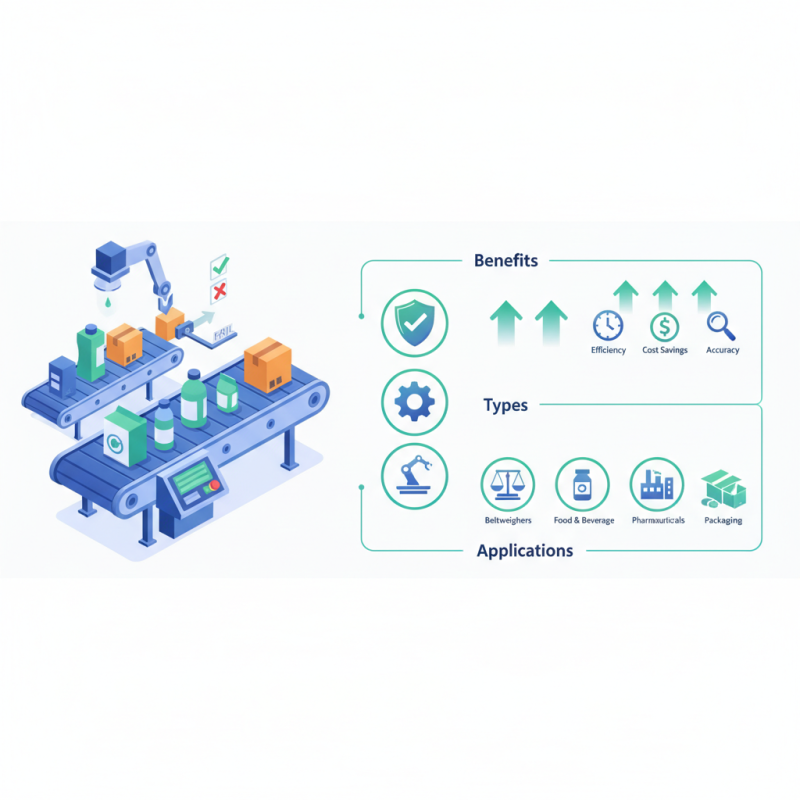
Understanding the Functionality of Automatic Checkweighers
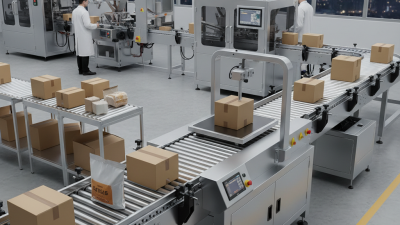
Automatic checkweighers are essential tools in various industries, designed to ensure that products meet specified weight criteria as they move along the production line. They function by utilizing advanced load cell technology to accurately measure the weight of items in real-time. This automated process significantly reduces human error and maintains consistent product quality. By integrating seamlessly with existing production systems, checkweighers can quickly detect underweight or overweight items, allowing for immediate rectification before products reach the end of the line.
The functionality of automatic checkweighers is not limited to simply weighing products; they also often incorporate features such as data logging, multi-head weighing capabilities, and integration with labeling and packaging systems. These features enable manufacturers to track weight variations, comply with legal regulations, and enhance overall operational efficiency. Through the strategic application of checkweighers, companies can achieve a higher level of accuracy, reduce waste, and improve customer satisfaction by ensuring that every package meets the desired specifications. As industries continue to evolve, the role of automatic checkweighers becomes increasingly vital in maintaining product integrity and optimizing production workflows.
Understanding Automatic Checkweighers: Benefits, Types, and Applications
This chart illustrates the benefits and applications of automatic checkweighers across different industries. The data reflects the percentage of usage in various sectors, highlighting their importance in quality control processes.
Key Benefits of Implementing Automatic Checkweighers in Industry
Automatic checkweighers have become integral in various industries, primarily due to their ability to enhance efficiency and accuracy in production processes. One of the key benefits of implementing automatic checkweighers is the significant reduction in product giveaway. According to a report from the International Society for Automation, companies utilizing these systems can decrease product overfill by approximately 1-3%, translating to substantial cost savings in materials. This not only maximizes profitability but also minimizes wastage, contributing to more sustainable manufacturing practices.
Furthermore, automatic checkweighers contribute to improved regulatory compliance. These systems are capable of conducting real-time weight checks during production, ensuring that products meet industry standards and regulations. A study published in the Journal of Quality in Manufacturing highlights that companies with automated weight measurement systems experience a 30% reduction in compliance-related penalties. This level of diligence not only safeguards the company against potential fines but also enhances overall consumer trust in brand integrity.
In addition to these financial and regulatory advantages, automatic checkweighers significantly boost production speed. Industry data reveals that integrating these systems can enhance throughput by as much as 25%, allowing companies to respond more rapidly to market demand. By automating the quality control process, manufacturers can ensure consistent product quality while optimizing operational efficiency, thus reinforcing their competitive edge in a fast-paced market landscape.
Different Types of Automatic Checkweighers and Their Features
Automatic checkweighers are integral devices in various industries, ensuring that products meet weight specifications and quality control standards. There are several types of automatic checkweighers, each designed to cater to specific needs and operational environments. The dynamic checkweigher is commonly utilized in high-speed production lines, capable of weighing products as they move along conveyor belts. These systems are often equipped with advanced detection technology that helps minimize human error and enhance productivity, making them essential for industries such as food and beverage, pharmaceuticals, and packaging. According to a report from MarketsandMarkets, the global checkweigher market is projected to reach approximately $1 billion by 2025, highlighting the importance and widespread adoption of these technologies.
Another important type is the static checkweigher, which is often used in environments where products are not moving, such as in batch processing. Static checkweighers are beneficial for precision weighing, often employing load cell technology to ensure accuracy. This type can be instrumental in laboratories or manufacturing settings where weight consistency is vital. Additionally, multi-lane checkweighers have gained popularity due to their ability to measure multiple products in a single pass, significantly increasing efficiency in high-volume operations. These various checkweigher types, each equipped with cutting-edge features such as advanced software for data analysis and reporting, allow manufacturers to achieve compliance with industry regulations while maintaining optimal product quality.
Common Applications of Automatic Checkweighers Across Various Sectors
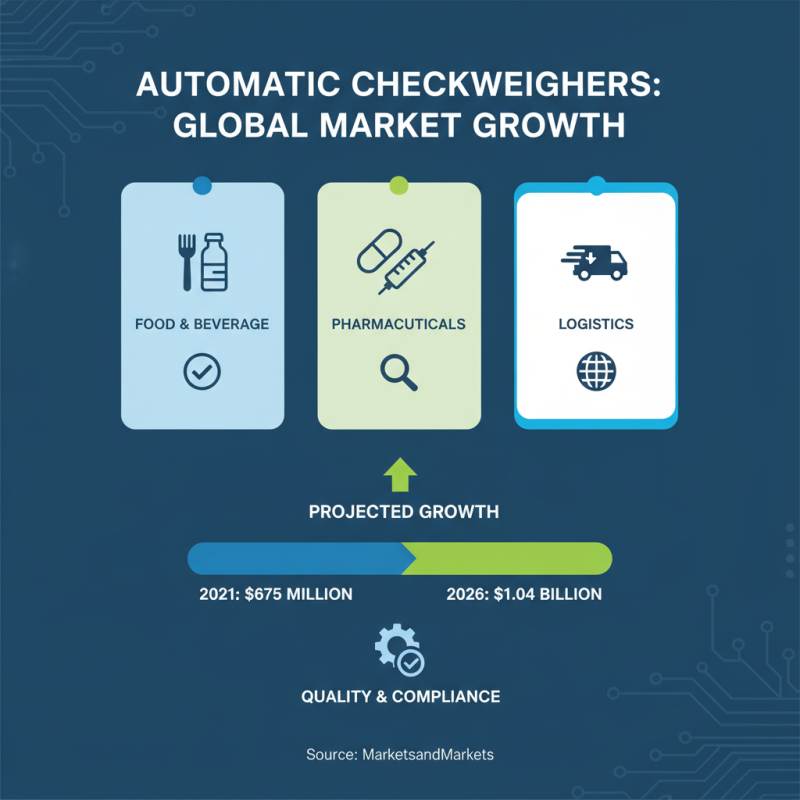
Automatic checkweighers play a crucial role across various sectors by ensuring product quality and compliance with weight regulations. These systems are prevalent in industries such as food and beverage, pharmaceuticals, and logistics, where accuracy and efficiency are paramount. According to a report by MarketsandMarkets, the global automatic checkweigher market is projected to grow from USD 675 million in 2021 to USD 1.04 billion by 2026, reflecting the increasing demand for automated quality control solutions.
In the food and beverage industry, checkweighers are commonly employed to prevent product giveaways and ensure that packaged goods meet regulatory standards. For instance, the International Dairy Federation highlights that improper weight can lead to significant financial losses, emphasizing that consistent checkweighing practices can save companies up to 5% of their annual revenue. Similarly, in the pharmaceutical sector, where compliance with strict regulations is vital, checkweighers help maintain dosage accuracy, thereby enhancing patient safety and product effectiveness. The need for precise drug labeling and packaging has driven the adoption of automatic checkweighing technologies, with recent figures indicating that nearly 70% of pharmaceutical companies are integrating these systems into their production lines to mitigate risks associated with weight discrepancies.
Moreover, in logistics and distribution, automatic checkweighers ensure that packages meet shipping weight criteria, improving operational efficiency. According to a report by Grand View Research, the logistics sector increasingly adopts automation technologies, with automatic checkweighers contributing to a reduction in manual inspection times by up to 50%. This not only accelerates the shipping process but also minimizes errors associated with human involvement. Each application underlines the vital role of automatic checkweighers in enhancing product quality and operational efficiency across diverse industries.
Future Trends and Innovations in Checkweighing Technology
The landscape of checkweighing technology is poised for significant transformation as we look toward the future. One of the most notable trends is the integration of artificial intelligence (AI) and machine learning capabilities into checkweighers.
These advanced algorithms will enable real-time data analysis, allowing for faster adjustments and improved accuracy in weight measurements. With AI, machines can learn from previous performance, optimizing their settings to adapt to various production scenarios swiftly.
This advancement not only streamlines operations but also enhances consistency in product quality, reducing waste and increasing overall efficiency.
Another promising innovation is the development of lightweight, compact designs combined with enhanced sensors.
These new checkweighers will offer greater flexibility, making them suitable for various production lines and settings. The emphasis on miniaturization does not compromise functionality; rather, it allows for more versatile applications, from food and beverage industries to pharmaceuticals.
Moreover, advancements in connectivity, such as the Internet of Things (IoT), will enable checkweighers to communicate seamlessly with other equipment, contributing to higher levels of automation and real-time monitoring systems that enhance operational insights and decision-making processes.
As the industry continues to evolve, the fusion of these technologies will redefine the standards of precision and reliability in checkweighing.