2026 Top Roller Checkweigher Buyers Guide and Insights?
In the evolving landscape of manufacturing, the "Roller Checkweigher" plays a critical role in ensuring quality control. Expert John Smith, a leading authority in packaging automation, once stated, “Precision in weight measurement is non-negotiable in today’s market.” This sentiment underscores the importance of reliable checkweighing solutions.
Roller Checkweighers not only enhance efficiency but also guarantee compliance with industry standards. As the demand for automation grows, manufacturers must choose the right model to maximize productivity. Each production line’s unique needs require careful evaluation of roller checkweighers. It’s vital to consider factors like speed, accuracy, and integration capabilities.
However, selecting the ideal roller checkweigher isn't always straightforward. Some companies overlook necessary features, leading to potential pitfalls. Industry players must reflect on their specific requirements and challenges. Understanding the nuances of each option available can pave the way for better decision-making. As technology progresses, staying informed about advancements in roller checkweighers is essential for long-term success.
Understanding Roller Checkweighers: Definition and Functionality
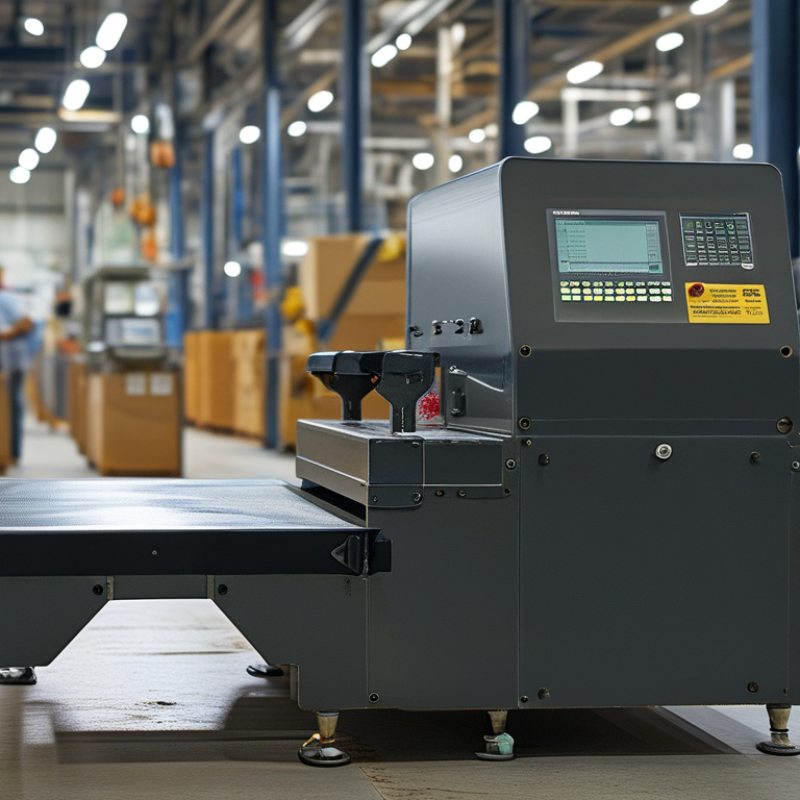
Roller checkweighers are essential tools in modern manufacturing and packaging processes. They ensure that products meet weight specifications before leaving the production line. These machines automatically weigh items as they pass through, providing real-time data. The technology behind roller checkweighers enhances efficiency and accuracy, allowing companies to maintain quality control.
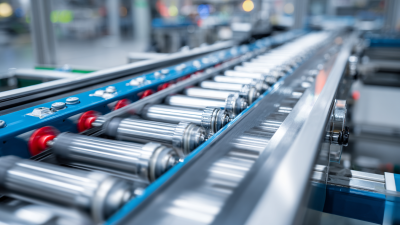
Understanding their functionality is crucial for industries relying on precise measurements. Roller checkweighers use a series of rollers to transport products. As an item travels along the conveyance path, integrated load cells measure its weight. This simple yet effective design allows for high-speed operations. Operators must ensure these systems are calibrated correctly; frequent maintenance is necessary to avoid inaccurate readings.
Not all roller checkweighers perform equally under varying conditions. Factors like product type and speed can impact results. Users should consider these elements during selection. Engaging in regular assessments can lead to better decision-making. The goal is to minimize errors during production. By understanding the nuances of roller checkweighers, businesses can improve operational efficiency and product quality, leading to greater customer satisfaction.
2026 Top Roller Checkweigher Buyers Guide and Insights
| Model |
Max Weight Capacity (kg) |
Weighing Accuracy (g) |
Speed (items/min) |
Power Supply (V) |
| Model A |
50 |
0.5 |
120 |
220 |
| Model B |
75 |
0.3 |
150 |
220 |
| Model C |
100 |
0.2 |
200 |
110 |
| Model D |
30 |
0.5 |
100 |
230 |
| Model E |
60 |
0.4 |
130 |
220 |
Key Features to Consider When Buying a Roller Checkweigher
When selecting a roller checkweigher, several key features are essential.
Accuracy is paramount. According to a 2023 industry report, the ideal roller checkweigher should achieve an accuracy rate of ±0.1 grams. This precision can significantly reduce product loss and improve overall efficiency during processing.
Another vital feature is the speed of operation. Systems should be capable of handling at least 150 to 200 products per minute. A slower system may lead to bottlenecks in production. Additionally, consider integration capabilities. The ability to connect with existing production lines enhances functionality. Compatibility with various software systems streamlines data management and tracking.
Durability is also crucial. The equipment needs to withstand harsh environments. Some checkweighers come with IP ratings that signify their resistance to dust and moisture. A lack of resilience could result in costly downtimes. Maintenance is another factor often overlooked. Regular maintenance schedules can mitigate risks, but many manufacturers fail to consider this in their budget planning.
Market Trends: Growth Projections for Roller Checkweighers by 2026
The roller checkweigher market is on an upward trajectory, showing promising growth projections by 2026. This surge is driven by increasing demands for precision in the food, beverage, and pharmaceutical industries. As these sectors focus on quality and compliance, the need for reliable checkweighers becomes more pronounced. Companies are seeking equipment that offers accurate weight monitoring to minimize waste and ensure product integrity.
Market trends indicate a shift towards automation and advanced technology in roller checkweighers. Manufacturers are integrating smart features, enhancing data collection, and improving efficiency. This innovation is crucial as businesses strive for sustainability and cost-effectiveness. However, not all companies are keeping pace with these developments. Some still rely on outdated equipment, which can lead to inefficiencies.
The emphasis on regulatory compliance is another important factor. As global standards evolve, industries must adapt, prompting increased investment in updated weighing technology. While the future looks bright for roller checkweighers, businesses must be aware of the ongoing challenges. Balancing innovation with practical implementation is key for success in this dynamic market.
2026 Top Roller Checkweigher Market Trends
The chart above illustrates the projected growth of the roller checkweigher market from 2021 to 2026, indicating significant growth as industries increasingly adopt advanced checkweighing solutions for enhanced efficiency and accuracy.
Top Manufacturers of Roller Checkweighers: A Comparative Analysis
In the competitive landscape of roller checkweighers, manufacturers vary significantly in technology, accuracy, and operational efficiency. A recent industry report from Market Research Future highlighted that the global checkweigher market is expected to grow by 6% annually. This growth reflects heightened demand for precision in various sectors, from food and beverage to pharmaceuticals.
Top manufacturers often emphasize the need for automated solutions. Many roller checkweighers offer real-time data analysis and integration with existing systems. This can enhance overall productivity. However, the reliability of these systems can be impeded by external factors. Environmental conditions, such as humidity and temperature variations, may impact weight readings. Thus, understanding the operating environment is crucial when evaluating options.
Adopting advanced technologies like AI and IoT in checkweighing processes can yield numerous advantages. For instance, real-time error detection can lead to less product waste. Nonetheless, integrating such systems requires significant investment. Not every company is prepared for that shift. Careful consideration of operational needs and potential return on investment is essential in this decision-making process.
Cost-Benefit Analysis: Investment Value of Roller Checkweighers in Industry
Investing in roller checkweighers is increasingly vital for many industries. The manufacturing and packaging sectors can benefit significantly from these devices. According to recent reports, precision in weight measurement can reduce product waste by up to 3%. Companies can save costs while ensuring compliance with regulations. The initial cost of these systems may seem substantial, but the return on investment often justifies it. Over time, the savings in material costs and enhanced efficiency can prove advantageous.
Tips: Consider the specific needs of your operation. Assess how a roller checkweigher can integrate with current systems. A well-planned implementation can yield better outcomes.
In assessing the investment value, it is crucial to analyze the total cost of ownership. This includes maintenance, training, and potential downtime. Some industries reported unplanned outages costing up to $250,000 per hour. Outdated equipment often struggles with accuracy. This can lead to financial losses and a damaged reputation. Investing in upgraded technology can mitigate these risks.
Tips: Allocate budget for training staff effectively. Ensure your team understands the equipment's function. This helps maintain operational efficiency and minimizes human errors.